



A Carpet of Wildflowers
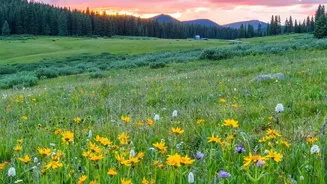
One of the most magical post-monsoon phenomena is the blooming of wildflower carpets in the Western Ghats. Maharashtra’s Kaas Plateau, a UNESCO World Heritage site, becomes a riot of colour from late August to early October. Often called Maharashtra's
'Valley of Flowers', this laterite plateau hosts over 850 species of flowering plants, with the spectacle changing every few weeks as different blooms take centre stage. Similarly, Uttarakhand's Valley of Flowers National Park, accessible until October, offers a Himalayan version of this floral extravaganza, with misty meadows blanketed in primulas, irises, and anemones. This fleeting spectacle is a major draw for photographers and nature enthusiasts seeking a unique, transient beauty.
The Hills Come Alive with Treks
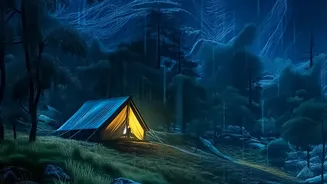
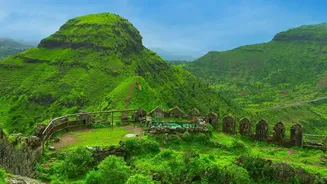
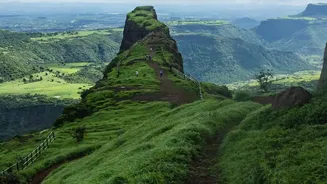
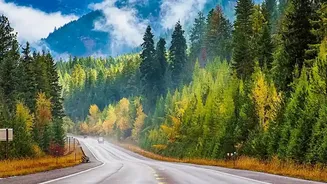
For trekkers, the post-monsoon season is arguably the best time to hit the trails. The air is crisp, the dust has settled, and the views are exceptionally clear. In the Himalayas, popular treks like Roopkund, Chopta Chandrashila, and Har Ki Dun in Uttarakhand become accessible and offer stunning vistas of snow-capped peaks against lush green valleys. Autumn colours begin to paint the forests in shades of yellow and orange, creating a picturesque backdrop. In the south, the Western Ghats in Karnataka and Kerala offer equally compelling options. Trails in Coorg, Chikmagalur, and Munnar wind through rain-washed shola forests, past gushing waterfalls and verdant meadows, making for refreshing and invigorating hikes.
Wildlife Safaris Resume in Verdant Jungles
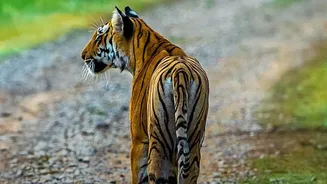
Wildlife enthusiasts eagerly await October, as it marks the reopening of many of India’s premier national parks after their annual monsoon closure. The forests are at their most lush and water sources are abundant, drawing animals out into the open. Iconic tiger reserves like Ranthambore in Rajasthan, and Corbett in Uttarakhand typically reopen their core zones in October, offering renewed chances for sightings. Central India's parks, including Pench and Kanha, also welcome visitors back to landscapes teeming with life. While some parks like Periyar and parts of Nagarhole remain open during the monsoon, the post-monsoon period provides broader access and comfortable safari conditions, making it a prime season for jungle adventures.
Waterfalls at Their Majestic Peak
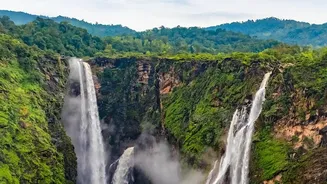
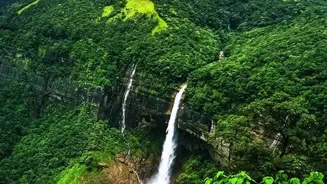
The monsoon feeds India's rivers and streams, and the months immediately following are when its waterfalls are at their most spectacular. Destinations like Shillong and Cherrapunji in Meghalaya, famous for their rainfall, boast magnificent cascades set against emerald hills. In the Western Ghats, places like Lonavala and Mahabaleshwar in Maharashtra become popular weekend getaways, with numerous waterfalls tumbling down the hillsides. Further south, the iconic Dudhsagar Falls in Goa, bordering Karnataka, is a thundering spectacle, while Abbey Falls in Coorg and Athirappilly Falls in Kerala draw crowds with their post-monsoon power and beauty.
The Rise of Conscious, Experience-Led Travel
The "fresh push" for nature holidays is also being driven by a shift in traveller mindset. There's a growing preference for experience-led and sustainable travel over traditional sightseeing. Government initiatives promoting eco-tourism and the rise of community-run homestays in places like Spiti and Nagaland are making it easier for travellers to engage with nature responsibly. This trend sees travellers seeking authentic cultural immersion and slower-paced escapes in nature-rich destinations. From helping build greenhouses in Spiti to staying in eco-friendly properties in Kerala, tourists are increasingly looking to connect with and contribute to the places they visit, making the post-monsoon season a perfect time for a meaningful green getaway.