





A Drink with Ancient Roots
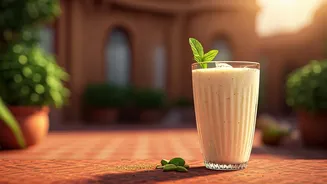
Lassi isn't a modern invention; it's a legacy. Originating in the Punjab region thousands of years ago, it was born out of a simple need: to create a refreshing beverage that could beat the intense heat. Traditionally, lassi was made by churning curd
(dahi) with water, a process that created a frothy, cooling drink. In its earliest form, it was a staple for farming communities, providing hydration, energy, and essential probiotics for those toiling under the sun. This humble blend of yogurt and water, served in traditional clay cups called kulhars, became more than just a drink; it became a symbol of hospitality and rural life. Its roots are so deep that lassi is even praised in the ancient Indian medical system of Ayurveda for its digestive and cooling properties.
The Great Divide: Sweet or Salty?
At the heart of the lassi experience is a fundamental choice: meethi (sweet) or namkeen (salty)? Traditional lassi, often called 'chaas' in some regions when thinner, is a savoury drink. It is typically flavoured with roasted cumin, black salt, and sometimes mint, creating a tangy and revitalising cooler that aids digestion and replenishes electrolytes lost to sweat. In many households, this salted version remains a lunchtime staple. Sweet lassi, while also traditional, is often seen as more of a treat. Blended with sugar and sometimes a hint of rosewater or cardamom, it’s a richer, more dessert-like beverage. The preference often comes down to personal taste or even the time of day, but both versions hold a cherished place in India's culinary landscape.
A Rainbow of Flavours
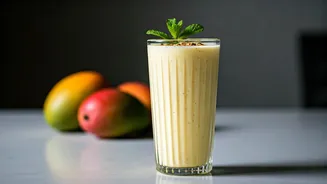
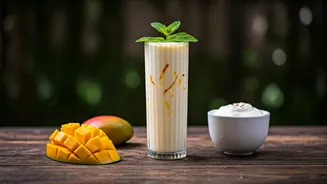
While the sweet vs. salty debate is classic, the world of lassi extends far beyond it. The drink's genius lies in its versatility. One of the most popular variations globally is the Mango Lassi, a creamy blend of yogurt and ripe mango pulp that has become a flagship flavour in Indian restaurants worldwide. But the innovation doesn't stop there. Modern cafés and traditional vendors alike have experimented with countless flavours, from strawberry and banana to more decadent options like chocolate, Kesar Pista (saffron-pistachio), and even spiced mocha. There are also regional specialties like Bhang Lassi, a cannabis-infused version consumed during festivals like Holi. This adaptability ensures that there is a lassi for every palate, keeping the ancient drink exciting and relevant.
The Original Health Drink
In an era of sugar-laden sodas and artificial beverages, lassi's 'flex' is its inherent healthiness. As a fermented dairy product, lassi is a natural source of probiotics, the beneficial bacteria that promote gut health, aid digestion, and boost immunity. It is rich in calcium for strong bones, protein for energy, and essential vitamins like B12. Its natural cooling properties help regulate body temperature, providing genuine relief from the summer heat without the energy crashes associated with sugary drinks. Nutritionists often recommend lassi as a healthier alternative to commercial beverages, noting its ability to hydrate and nourish the body simultaneously.
Still the Reigning Champ in a Crowded Field
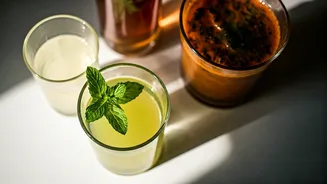
Despite the influx of global beverage brands, lassi's cultural standing remains unshaken. In many parts of India, especially Punjab, offering a guest a glass of lassi is the ultimate gesture of welcome and hospitality—a symbol of generosity that isn't seen as a commercial commodity. While other traditional drinks like aam panna, nimbu pani, and jaljeera are also beloved summer coolers, lassi's combination of being a nourishing food and a refreshing drink gives it a unique status. It can be a light refreshment or a filling mini-meal. This blend of tradition, health, and satisfying flavour is why, even in 2026, lassi continues to be more than just a drink; it's a cultural institution and the undisputed champion of Indian summers.