



The dreaded afternoon slump is often a direct result of a midday meal that loses its freshness and nutritional punch by lunchtime. Here are smart, simple ideas to ensure your office lunch is as nourishing and delicious as when you packed it.
The Strategic Bento Box
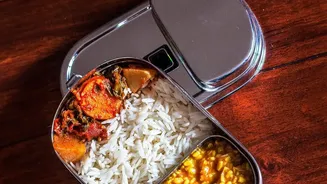
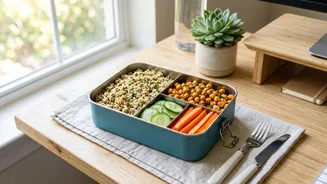
The secret
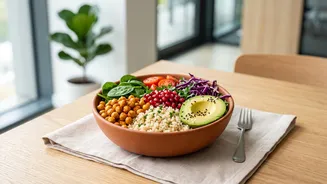
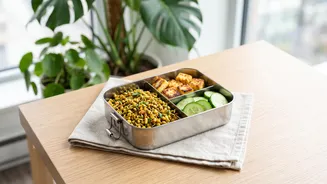
to a lunch that lasts is separation. Bento-style boxes, with their multiple compartments, are perfect for this. They allow you to keep wet and dry ingredients apart, preventing sogginess and preserving texture and nutrients. You can pack a small portion of dal, a helping of dry sabzi, a serving of brown rice or quinoa, and some fresh salad greens in their own sections. This method prevents the dressing from wilting the greens and the moisture from the dal from making everything else mushy. The key is to assemble just before eating. A balanced meal should include a source of protein, fibre, and healthy carbohydrates to keep you feeling full and focused. Think paneer bhurji, a handful of roasted chickpeas, sliced cucumber, and a whole-wheat roti.
Mastering the Mason Jar Salad
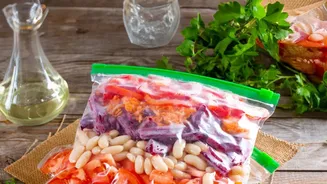
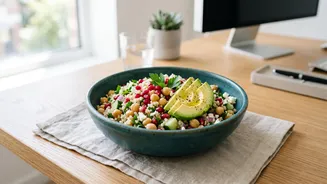
The mason jar salad is a game-changer for salad lovers. Its vertical structure is specifically designed to keep ingredients fresh. The rule is simple: dressing goes on the very bottom. Next, layer your hardiest ingredients, like chickpeas, corn, or diced carrots. Follow that with softer vegetables, grains like quinoa, and proteins such as grilled paneer or chicken. Finally, pack the delicate leafy greens and nuts or seeds at the very top. When you're ready for lunch, just shake the jar to distribute the dressing. This method keeps your greens crisp and prevents the entire salad from becoming a wilted mess by midday.
Rethinking Rolls and Wraps
Wraps and rolls are convenient, but they often become soggy by lunchtime. To avoid this, the trick lies in how you pack. Prepare the filling—like a spiced paneer tikka mixture or a mixed bean salad—and pack it in a separate container. Pack your whole-wheat roti, paratha, or tortilla separately. You can even use large, sturdy lettuce or collard green leaves as a breadless, low-carb wrap. Just before you eat, warm the roti if you can, add the filling, and roll it up. This ensures every bite is fresh and flavourful, with the wrap retaining its intended texture. Spreading a thin layer of peanut butter or a thick hummus can also create a moisture barrier on the bread.
Leveraging Legumes and Lentils
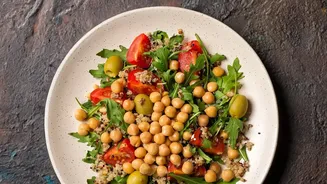
Dishes based on legumes and lentils are nutritional powerhouses that hold up exceptionally well. A wellmade rajma, chana masala, or moong dal khichdi tastes just as good, if not better, a few hours later. These dishes are packed with protein and fibre, providing sustained energy to get you through the afternoon. For optimal freshness, pack the rice separately from the curry. A simple lemon rice or jeera rice pairs perfectly and travels well. You can also make a refreshing black chana salad with chopped onions, tomatoes, and a light lemon dressing, packed separately to be mixed just before eating.
The Power of Smart Containers
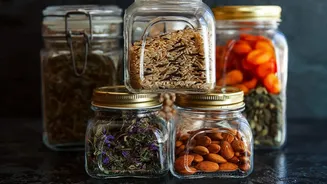
The container you use is as important as the food inside it. Glass containers are an excellent choice as they don't absorb odours or stains and reheat food more evenly without leaching chemicals. For hot meals like soup or khichdi, an insulated thermos is invaluable. Preheating the thermos with boiling water for a few minutes before adding the hot food helps it retain heat for hours. Similarly, for cold items, chilling the thermos with ice water first can keep them cool. Investing in a good quality, leakproof lunchbox with secure lids is fundamental to keeping your meal contained and fresh.
Understanding Nutrient Stability
While protein, fibre, and minerals are quite stable, some vitamins, like vitamin C and certain B vitamins, can degrade when exposed to air and light. This is why it’s best to cut vegetables and fruits just before you pack them, or even just before you eat, if possible. For items like sliced apples, a little soak in water diluted with honey or lemon juice can prevent browning. By thinking about not just what you pack but how you pack it, you minimise nutrient loss. For example, a whole orange retains its vitamin C better than orange slices. Small adjustments in preparation and storage make a significant difference in the nutritional value you receive hours later.