






Why Eating Seasonally Matters in Monsoon
The monsoon season creates an environment where bacteria and viruses can thrive, leading to a higher incidence of water-borne diseases, colds, and digestive issues. During this time, our body's digestive fire, or 'agni' as per Ayurveda, is believed to weaken,
making it harder to process heavy foods. Opting for seasonal fruits and vegetables is a smart strategy. These foods are naturally designed to counteract the season's challenges. They are typically lighter, easier to digest, and packed with the specific vitamins and antioxidants your body needs to bolster its defences. For instance, many monsoon foods are rich in Vitamin C, a powerful immunity booster.
Power-Packed Monsoon Fruits
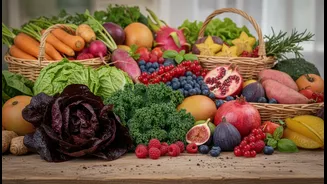
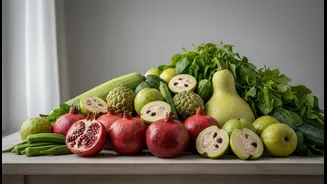
Incorporating the right fruits into your diet can make a significant difference. Jamun, or Indian blackberry, is a true monsoon superstar. It is loaded with iron, Vitamin C, and powerful antioxidants called anthocyanins that fight infection and can help manage blood sugar levels. Another excellent choice is the Litchi, which is available in the early weeks of the monsoon and offers a burst of Vitamin C and potassium. Peaches and plums are also great additions, providing dietary fibre, antioxidants, and essential vitamins to support digestion and overall health. Pears, known for their high fibre content, are particularly good for maintaining digestive regularity when the system feels sluggish.
Essential Monsoon Vegetables
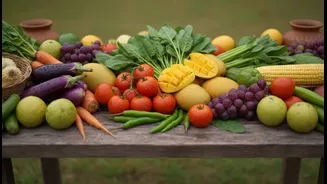
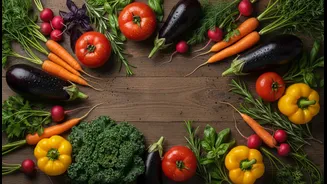
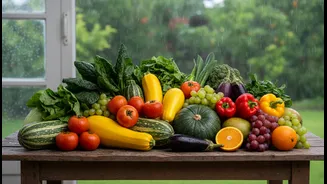
When it comes to vegetables, gourds are your best friends during the rainy season. Bottle gourd (lauki), bitter gourd (karela), and pointed gourd (parwal) are highly recommended. Lauki has a high water content, is exceptionally easy to digest, and helps keep you hydrated. Karela, despite its bitter taste, is a powerhouse of nutrients that purify the blood and boost immunity. Other beneficial vegetables include okra (bhindi), spinach (palak), and broccoli. These vegetables provide vital nutrients like Vitamins A and C, iron, and fibre, which strengthen the immune response and promote good gut health. Always remember to wash all produce thoroughly and prefer cooked vegetables over raw salads during this season to minimise the risk of infection.
Building a Balanced Weekly Menu
Creating a balanced menu doesn't have to be complicated. The goal is to incorporate these seasonal powerhouses into your daily meals. A well-structured plan ensures you get a variety of nutrients without feeling overwhelmed. A good approach is to have each meal feature a protein source, a seasonal vegetable, and a complex carbohydrate. For example, a comforting lunch could consist of moong dal, a simple bottle gourd sabzi, and a small portion of brown rice or roti. Planning your meals helps you shop smarter and rely less on last-minute, often unhealthy, choices. Think in terms of rhythm, not restriction. Start with warm, cooked breakfasts like poha or upma. For lunch, a dal and sabzi combination is ideal. Keep dinners light with soups or steamed vegetables to ease the digestive load. Snacks can be a handful of nuts or a seasonal fruit like a pear or some jamun.
Sample Monsoon Meal Ideas
To make it easier, here’s a simple framework for a day's menu. For breakfast, consider a warm vegetable upma or moong dal chilla. For lunch, you could have phulkas with a serving of palak dal and a side of tinda (Indian squash) sabzi. An afternoon snack could be a juicy peach or a small bowl of pomegranate. For dinner, a light and nourishing meal like khichdi made with seasonal vegetables or a warm bowl of mixed vegetable soup is perfect. This approach ensures your meals are not only delicious and comforting but also perfectly aligned with what your body needs to thrive during the monsoon.