






1. Start Early, Avoid the Rush
Procrastination is the biggest source of ITR filing stress. The deadline for most individuals for the Assessment Year 2026-27 (for income earned in FY 2025-26) is July 31, 2026. Waiting until the last week can lead to mistakes, system overloads on the portal,
and panic. Begin the process early in July. Breaking it down into smaller tasks—like gathering documents one day and verifying your tax statements the next—makes it far more manageable. An early start gives you ample time to sort out any discrepancies or seek professional help if needed.
2. Gather All Your Documents
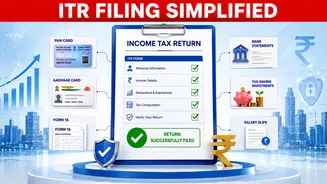
Being organised is half the battle won. Before you log in to the e-filing portal, make sure you have a complete checklist of documents ready. This includes your PAN, Aadhaar card, all bank account details, Form 16 from your employer, and any proofs for deductions you plan to claim, such as receipts for insurance premiums (80D) or investments like PPF (80C). Also, keep handy any certificates for interest income from banks or post offices, details of capital gains from stocks or property, and rent receipts for HRA claims.
3. The Trio: Form 26AS, AIS, and TIS
The Income Tax Department provides three key statements to help you file accurately: Form 26AS, the Annual Information Statement (AIS), and the Taxpayer Information Summary (TIS). Form 26AS is your tax passbook, showing all taxes deducted and deposited against your PAN. AIS is a more comprehensive statement detailing all your financial transactions, from salary and interest income to stock trades. TIS is a simplified summary of AIS, which is used to pre-fill your ITR. Always cross-check the information in these forms with your own records to ensure nothing is missed and to avoid a mismatch notice from the department.
4. Choose the Correct ITR Form
Filing the wrong ITR form is a common error that can lead to your return being marked as 'defective'. The choice of form depends on your sources of income. For instance, ITR-1 (Sahaj) is for resident individuals with a total income up to ₹50 lakh from salary, one house property, and other sources like interest. If you have capital gains income, you'll need to file ITR-2. For those with income from a business or profession, ITR-3 or ITR-4 would be applicable. Carefully assess your income profile before selecting the form.
5. Decide: Old or New Tax Regime?
For the Financial Year 2025-26, the new tax regime is the default option. This regime offers lower tax rates but does not allow you to claim most common deductions like those under Section 80C and 80D. The old regime has higher tax rates but allows for numerous deductions. The choice depends on your financial situation. If you have significant investments, a home loan, and other deductions, the old regime might be more beneficial. It is crucial to calculate your tax liability under both regimes before making a final decision. Individuals without business income can switch between regimes each year.
6. Report All Income Sources
A frequent mistake is failing to declare all sources of income, not just your primary salary. This includes interest earned on savings accounts and fixed deposits, income from freelance work, rental income, and even tax-free income like dividends or long-term capital gains on equity up to the threshold. The AIS captures most of these details, so hiding income is no longer an option and can lead to penalties. Ensure every income stream is reported accurately to maintain a clean record.
7. E-Verify Your Return
Filing your return is only half the job done. The process is complete only after you e-verify it. You have 30 days from the date of filing to complete the verification. If you miss this step, your ITR will be considered invalid. The easiest way to e-verify is through an Aadhaar OTP. Other options include using your net banking account or a pre-validated bank account. Don't let this final, simple step trip you up after all your hard work.