






Dreaming of a serene, beachside feel in your home? The coastal look is about creating a light, airy, and relaxed atmosphere. A practical way to achieve this timeless style is by grounding it with the warmth of natural wooden accents.
Understanding the Modern Coastal Look
The modern coastal
aesthetic has moved beyond clichés of anchors and seashells. Today’s approach is about capturing the feeling of the coast through a refined and simple palette. The foundation is built on light and neutral colours like crisp whites, sandy beiges, and soft greys, which maximise natural light and create an open, breezy feel. This creates a calm backdrop for introducing textures and subtle colours. The goal is not to create a themed room, but an environment that feels tranquil, uncluttered, and connected to natural elements. Think of it as bringing the calm of the seaside indoors through colour, light, and materials.
The Role of Natural Wood
Wood is the essential element that brings warmth and character to the light, neutral palette of a coastal home. It provides a necessary grounding force, preventing the space from feeling too stark or cold. The grain and tone of natural wood add texture and an organic, earthy quality that echoes elements like driftwood and rugged cliffs. Whether it's through flooring, furniture, or small decorative pieces, wood introduces a sense of durability and timelessness. It’s the material that connects the airy, sky-and-sea colour scheme to the solid, grounding presence of the shore.
Choosing the Right Wood Tones
The key to a successful coastal look is selecting the right shades of wood. Lighter, warmer tones are generally preferred as they reflect light and complement the seaside palette. Light oak, ash, pine, and birch are excellent choices for creating a bright and airy feel. Weathered or grey-washed finishes can evoke the look of sun-bleached driftwood, adding a lived-in, natural character. While lighter woods are a safe bet, don't be afraid of richer tones like teak or walnut for select pieces. A dark wood dining table or console can create a sophisticated contrast against white walls, adding depth without overwhelming the space. The practical approach is to keep the wood tones within a similar family to ensure the room feels coordinated.
Practical Furniture Choices
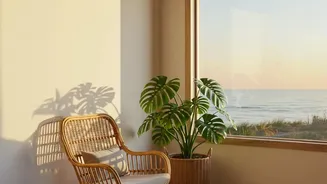
Furniture is the most significant way to introduce wood into your coastal decor. A solid wood coffee table, dining table, or bed frame can serve as a stunning centrepiece. For a classic look, consider whitewashed or lightly painted wood furniture. For a more modern or rustic take, opt for pieces made from reclaimed wood, which bring a sense of history and unique character. In high-traffic homes, durable hardwoods like white oak are ideal for flooring as they resist wear and tear from sand and daily life. Rattan and wicker furniture, while not solid wood, also contribute to the natural, textured look and are perfect for accent chairs and side tables.
Incorporating Smaller Wooden Accents
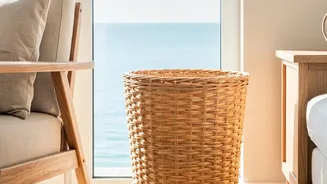
If you're not ready to invest in large furniture, you can still embrace the trend with smaller wooden accents. Open shelving made of natural wood is a practical and stylish way to display decor. Other simple additions include wooden picture frames, mirrors with wood surrounds, and serving boards or bowls in the kitchen. Even a single, well-chosen piece of driftwood on a mantle or console table can act as a beautiful, organic sculpture. The key is subtlety; you want these elements to add texture and warmth without cluttering the space. Woven baskets and lamps with wooden bases are other easy ways to bring in that natural feel.
Balancing Wood With Other Textures
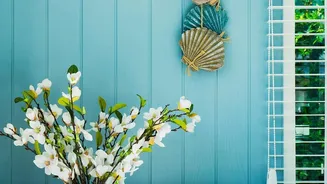
A successful coastal interior is all about layering textures. Wood provides the solid, warm base, which should be balanced with softer materials. Incorporate natural fabrics like linen for sofas and curtains, cotton for throws and pillows, and jute or sisal for rugs. These materials enhance the relaxed, comfortable vibe of the space. The colour palette should remain inspired by the coast, using shades of blue, from deep navy to soft aqua, as accents against the neutral backdrop. The interplay between smooth wooden surfaces, soft fabrics, and woven fibres is what gives a coastal room its depth and inviting feel.