


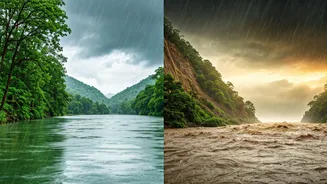


The New Reality for Indian Travellers
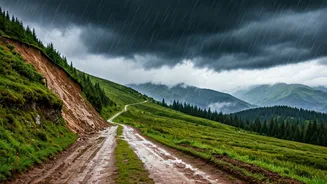
Gone are the days of rigidly defined tourist seasons. Climate change is making weather in India increasingly erratic. In recent years, India has experienced extreme weather events on a near-daily basis, from devastating floods and landslides in the Himalayas
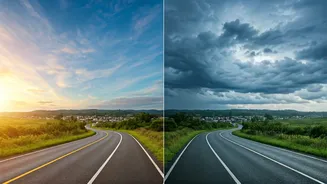
to intense heatwaves across the northern plains. These events don't just disrupt itineraries; they pose serious safety risks, leading to road closures, flight cancellations, and ruined holidays. In 2024 and 2025, a continuous cascade of storms, floods, and heatwaves claimed thousands of lives and affected millions. Planning around weather is no longer just a suggestion—it's an essential strategy for safe and enjoyable travel.
A Guide to India's Shifting Seasons
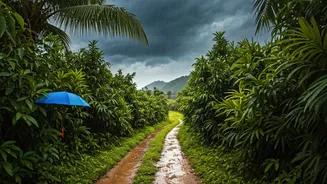
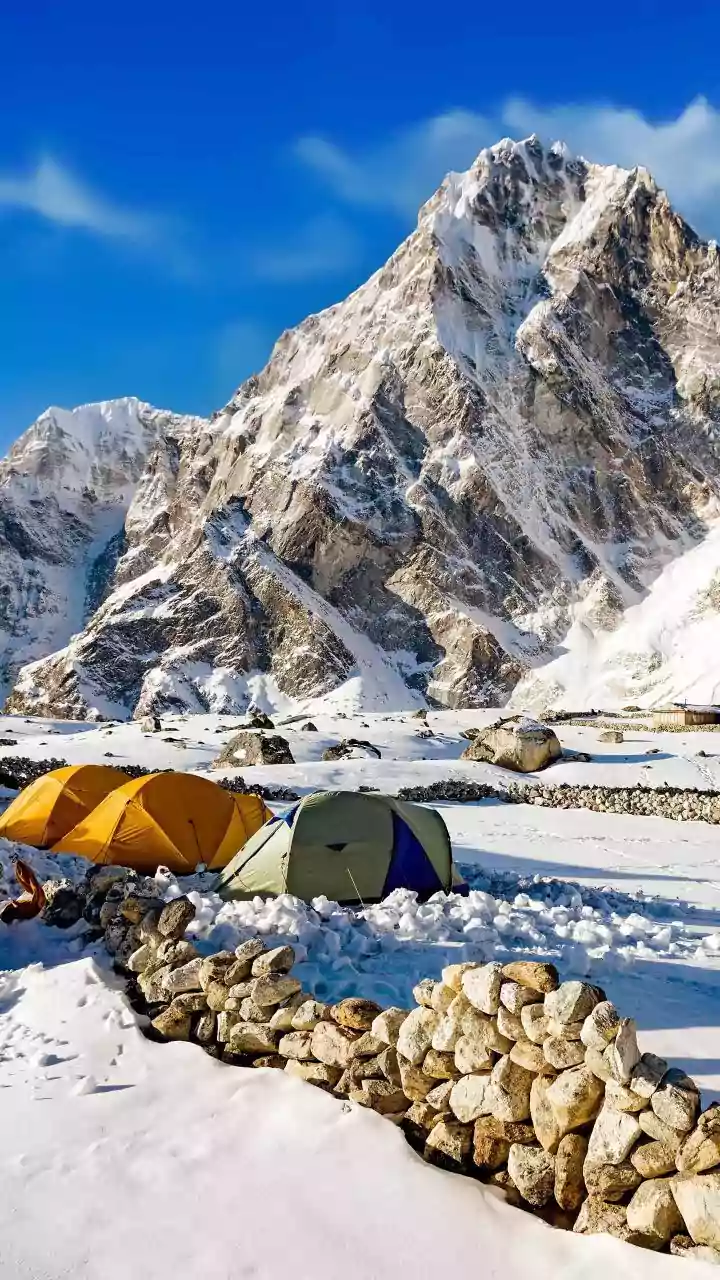
Understanding India's diverse and changing climate is key. The traditional travel window of October to March remains pleasant for most of the country, but even this period is no longer guaranteed to be stable. **The Himalayas:** Once a reliable summer escape, regions like Uttarakhand and Himachal Pradesh are now highly susceptible to landslides and flash floods during the monsoon (June-September). Authorities frequently issue travel advisories urging extreme caution, and trekking routes can be temporarily restricted. For a safer bet, consider the post-monsoon months of October and November, or the pre-monsoon spring. Ladakh remains a relatively safe monsoon-season destination due to its low rainfall. **The Coasts:** Coastal areas like Goa and Kerala are glorious in winter but face the dual threat of intense monsoons and cyclones. Planning a beach holiday during the rainy season requires flexibility and a close watch on cyclone alerts issued by the India Meteorological Department (IMD). **The Plains and Deserts:** The northern plains and Rajasthan are best avoided during the scorching pre-monsoon heat of April to June, when temperatures can soar above 40°C. However, these regions can be delightful during the moderate winter months.
Your Weather-First Planning Checklist
Shifting your mindset starts with your planning process. Instead of picking a place and hoping for the best, let weather guide your destination choice. 1. **Research Historical Weather:** Before booking, look at historical weather data for your intended destination, not just the two-week forecast. This gives you a better sense of typical conditions and potential extremes for that time of year. 2. **Follow Official Alerts:** Make the IMD website and its app your first stop. It provides district-level warnings using a clear colour-coded system (Green, Yellow, Orange, Red) for events like heavy rainfall, cyclones, and heatwaves. 3. **Choose Destinations Wisely:** Some areas are simply more vulnerable. During peak monsoon, avoid landslide-prone hilly regions and choose destinations with moderate rainfall records. 4. **Pack Smart, Not Stylish:** Prioritise function over fashion. This means waterproof bags, quick-drying synthetic clothes, and sturdy footwear with good grip. Leather and jeans are a poor choice for wet weather. Always pack a first-aid kit with essentials for common ailments.
Essential Apps and Tools for the Modern Traveller
Technology is your best ally in weather-aware travel. Several apps provide reliable, India-specific information. * **IMD Weather Apps:** The official source, including 'Meghdoot,' offers direct access to government forecasts and warnings. * **Skymet Weather:** This app focuses specifically on the Indian subcontinent, providing detailed forecasts and weather-related news. * **AccuWeather & Windy:** These global apps offer localised forecasts, UV index, air quality information, and excellent radar maps to track rain and wind in real-time. * **Highway Weather:** For road trips, an app like this can be invaluable, providing weather forecasts for your entire route at the specific time you're expected to be there.
Building a Flexible Itinerary
The golden rule of modern travel is flexibility. Extreme weather can cause sudden and unavoidable delays. When planning your trip, build in buffer days, especially if travelling to the mountains or remote areas. Don't cram your schedule; a slower pace is more resilient to disruption. Opt for bookings with flexible cancellation policies, which are becoming more common. If a road is blocked or a flight is cancelled, having a backup plan or simply the patience to wait is crucial. Don't be a daredevil; listen to local advice and never underestimate the power of nature.