






The Tyranny of the Checklist
Remember the last time you truly felt rested after a vacation? For many of us, the answer is hazy. Modern travel has often become a frantic race against time, a performance of sightseeing dictated by a rigid itinerary. We rush from one monument to the next,
ticking off boxes on a list we feel obligated to complete. We return home with a camera full of photos but a spirit that feels just as depleted as when we left, needing a vacation from our vacation. This phenomenon, often called ‘checklist tourism’, prioritizes doing over being. It turns destinations into backdrops for social media posts rather than places for genuine connection and rejuvenation. The pressure to ‘make the most’ of our time off ironically robs us of the very rest we seek.
The Rise of Slow, Intentional Travel
A growing counter-movement offers a powerful antidote: slow travel. This philosophy isn't about travelling at a snail's pace; it's about shifting your mindset. It encourages immersing yourself in a single location, connecting with the local culture, and prioritising meaningful experiences over a long list of attractions. It’s about quality over quantity. At the heart of this trend lies the wellness retreat, and a particularly powerful version is emerging—one that combines mindful movement, mental clarity, and the deep nourishment of plant-based cuisine. These retreats are designed not as an escape from your life, but as a chance to reconnect with yourself in a profound way. They are the ultimate expression of intentional travel, where the destination is your own well-being.
What is a Plant-Based Wellness Retreat?
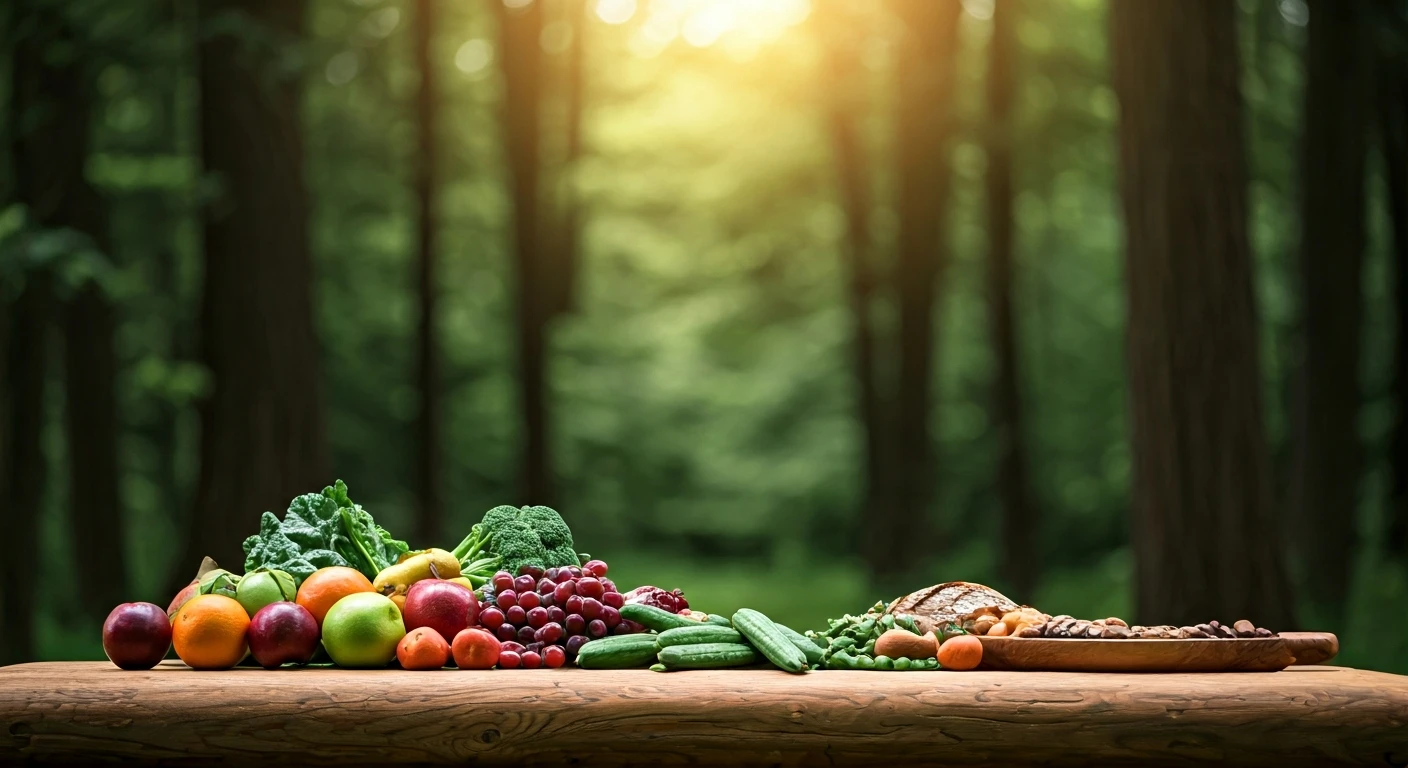
Imagine waking up not to an alarm, but to the gentle sound of nature. Your day doesn’t involve queues or packed tourist buses. Instead, it might begin with a sunrise yoga session, followed by a vibrant, delicious breakfast made from locally sourced ingredients. This is the essence of a plant-based wellness retreat. These curated experiences are built around a holistic vision of health. Days are loosely structured with activities like guided meditation, breathwork classes, nature walks, creative workshops, or simply free time to read, reflect, or nap in a hammock. The central pillar is the food: thoughtfully prepared, entirely plant-based meals designed to energize, detoxify, and delight the senses. The goal isn't restriction, but abundance—showcasing how colourful, flavourful, and satisfying plant-centric eating can be.
Nourishment for Body and Mind
The focus on a plant-based menu is about more than just a dietary choice; it's a core component of the wellness experience. By eliminating heavy, processed foods and focusing on nutrient-dense fruits, vegetables, grains, and legumes, the body is given a chance to reset. Guests often report feeling lighter, having more energy, experiencing better digestion, and enjoying clearer skin. But the benefits extend beyond the physical. A clean diet can lead to improved mental clarity and a more stable mood. When your body isn't working overtime to digest difficult foods, your mind is freer to focus, relax, and engage in the mindful practices offered at the retreat. It’s a powerful synergy where nourishing your body directly contributes to a calmer, more centred mind, allowing for a deeper level of relaxation that a typical holiday rarely achieves.
How to Choose Your Ideal Retreat
The beauty of this trend is its diversity. To find the right fit, start by considering your primary goal. Are you seeking deep rest and solitude, or a more social, community-focused experience? Look at the daily schedule. Some retreats are highly structured with back-to-back classes, while others offer vast stretches of unscheduled time for personal exploration. Consider the location—do you dream of a tropical beach, a serene mountain landscape, or a rustic countryside setting? Investigate the facilitators. Read about the yoga instructors, chefs, and meditation guides to see if their philosophy resonates with you. Finally, don't be afraid to ask questions. A good retreat will be transparent about its approach to food, the intensity of its activities, and the overall atmosphere it cultivates.