






Eyes in the Sky Get Connected
Recent high-level talks among BRICS space agencies, including a significant meeting hosted by ISRO in Bengaluru in June 2026, have centered on sustainability and cooperation. While topics like managing space debris are crucial, the most tangible and immediately
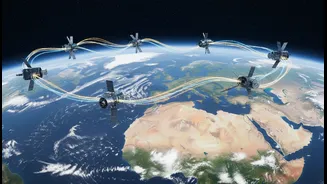
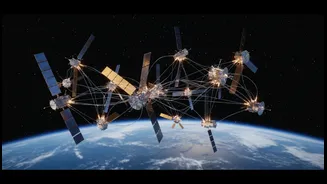
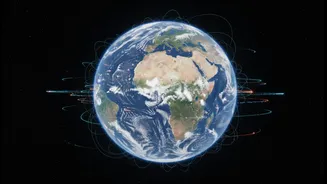
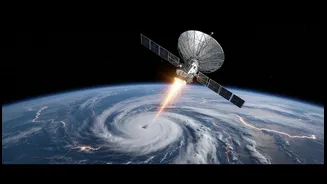
impactful initiative is the strengthening of the BRICS Remote Sensing Satellite Constellation (RSSC). First formalized in 2021, this agreement created a 'virtual constellation' by pooling data from existing satellites belonging to member nations. This isn't about building a new shared space station tomorrow; it's about making existing, powerful resources work together today. By connecting their 'eyes in the sky,' the bloc is creating a data-sharing network with immense potential.
What is Remote Sensing, Anyway?
Remote sensing is the science of gathering information about the Earth from a distance, primarily using satellites. Think of it as a fleet of incredibly advanced cameras and scanners orbiting the planet. These satellites can 'see' in ways the human eye cannot, collecting data across different spectrums of light. This allows scientists and governments to monitor everything from crop health and water levels to deforestation and urban sprawl. India’s own Resourcesat-2 and 2A satellites are key parts of this global effort and contribute to the BRICS constellation. The data gathered is not just a collection of pictures; it's a rich source of actionable intelligence for economic planning and environmental protection.
The Power of a Shared Perspective
The true power of the RSSC lies in data sharing. For a country facing a natural disaster like a flood or a forest fire, having access to another member's satellite imagery can be life-saving. The agreement facilitates this exchange, providing crucial information for disaster management, climate change monitoring, and agricultural forecasting. For example, Brazil and China have previously used shared satellite data to monitor environmental incidents. By expanding this to all eleven BRICS members, the bloc significantly enhances its collective ability to respond to crises and manage resources. This practical cooperation helps member nations achieve strategic autonomy by reducing dependence on Western space technologies and data providers.
India's Pivotal Role and the 'BRICS Space Economy'
India, as the 2026 chair, has been a driving force in these discussions, championing the concept of a 'BRICS Space Economy'. Hosted by ISRO, the recent Bengaluru meeting saw India push for cooperation that moves from simple coordination to co-creation and co-innovation. For India, this leadership role strengthens its position in the Global South and opens new markets for its growing private space sector, a capability showcased to BRICS delegates by IN-SPACe. By leading the charge on practical, beneficial applications of space technology, India is not only bolstering its own 'Make in India' initiatives but also shaping the future of multilateral space governance.
Challenges on the Horizon
Despite the optimism, challenges remain. Geopolitical divides and strategic differences among the eleven member nations can slow progress on sensitive issues like technology sharing. There are also significant technical and economic gaps between the space programs of countries like China and India versus newer members. Discussions around creating a formal BRICS Space Council are ongoing, but hammering out the rules and ensuring genuine trust, especially concerning data security between strategic rivals like India and China, will be a complex process. These hurdles must be addressed for the constellation to achieve its full potential and become a truly integrated tool for the entire bloc.