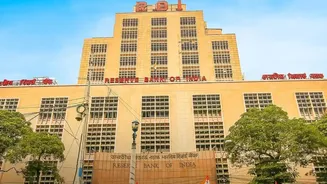





The Core Conflict: Growth vs. Stability
At its heart, the RBI's dilemma is a classic economic trade-off. On one hand, its primary domestic mandate is to ensure price stability (controlling inflation) while fostering an environment for strong GDP growth. This often involves adjusting interest
rates. Lower rates can encourage borrowing and spending to boost growth, while higher rates can cool down the economy to tame inflation. On the other hand, the RBI must manage the external value of the Indian rupee. A volatile currency can create chaos for importers and exporters, spook foreign investors, and lead to imported inflation, especially given India's reliance on imported goods like crude oil. The actions taken to achieve one goal can directly undermine the other.
Domestic Priorities Take Center Stage
Lately, domestic priorities have forced the RBI's hand. With India's economy showing resilient growth—projected at 7.1% for FY27—the central bank has gained the confidence to focus on a more pressing issue: rising inflation. In September 2026, retail inflation accelerated to 5.54%, pushed higher by food and fuel costs, moving closer to the RBI's upper tolerance limit of 6%. In response, the Monetary Policy Committee (MPC) raised the key repo rate by 25 basis points to 5.50% in its October 2026 meeting, the first such hike since early 2023. By increasing borrowing costs, the RBI aims to moderate demand and prevent short-term price shocks from becoming embedded in public expectations.
Navigating Global Currency Pressures
While the RBI tackles domestic inflation, it cannot ignore the currency market. The Indian rupee has faced significant pressure, sliding towards the 97-per-dollar mark. This weakness is driven by several external factors, including a strong US dollar, rising global oil prices (with India importing over 85% of its crude), and foreign investors pulling capital out of Indian markets. A weaker rupee makes imports more expensive, which can fuel domestic inflation further. It also creates uncertainty for businesses and can be a sign of economic instability for global investors, whose capital is crucial for India's growth.
The RBI's Multi-Tool Strategy
To manage this balancing act, the RBI deploys a range of tools. The most direct is forex intervention, where it buys or sells US dollars from its vast foreign exchange reserves to cushion the rupee against excessive volatility. This is not about targeting a specific exchange rate but rather about preventing chaotic swings. More recently, the RBI has implemented administrative measures. It established a special window for state-run oil marketing companies—some of the largest buyers of dollars—to get their foreign currency directly from the RBI, thus removing huge demand from the open market. It has also tightened rules on currency derivatives to curb speculation. These actions are designed to provide short-term stability, buying the RBI time for its broader monetary policy to take effect.
A Never-Ending Balancing Act
The recent policy moves highlight the complexity of the RBI's task. The decision to raise interest rates in October 2026 serves two purposes: it directly addresses domestic inflation and, by making Indian assets more attractive, can help support the rupee by encouraging foreign investment. However, this comes at the risk of slowing down the strong economic growth. Measures to reduce volatility in the currency market, like the dedicated dollar window for oil companies, help insulate the economy from external shocks but are seen by analysts as temporary fixes, not structural solutions. Ultimately, sustained stability depends on global factors like oil prices and the ability to attract long-term foreign capital.