



What Exactly Is a Cool Roof?
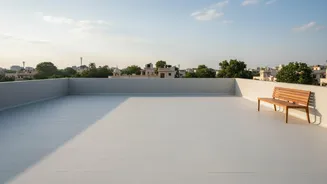
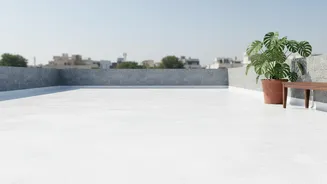
A cool roof is much more than just a coat of white paint. It’s a roofing system designed specifically to reflect more sunlight and absorb less heat than a standard dark-coloured roof. Imagine the difference between wearing a black t-shirt and a white one
on a sunny day; the white shirt keeps you cooler because it reflects the sun's rays. A cool roof applies the same principle to your home's largest surface exposed to the sun. These roofs use materials that are not only highly reflective but also efficient at releasing any heat they do absorb, keeping the building underneath demonstrably cooler.
The Science of Staying Cool
The effectiveness of a cool roof comes down to two key scientific properties: solar reflectance and thermal emittance. Solar reflectance, also known as albedo, measures a surface's ability to reflect sunlight. A standard dark roof might reflect only 20% of solar energy, while a cool roof can reflect up to 80% or more. Thermal emittance is the roof's ability to radiate away the heat it has absorbed. A material with high thermal emittance will cool down quickly once the sun sets, shedding heat back into the atmosphere instead of transferring it down into your home. Together, these two properties work to keep the roof surface temperature much lower—sometimes by over 30°C compared to a conventional roof on a hot day.
How Much Cooler Can It Get Indoors?
The impact on the roof surface is dramatic, but the real benefit is felt inside. By reducing the amount of heat conducted into the building, a cool roof can lower indoor temperatures, especially on the top floor. Studies and real-world applications in Indian cities like Ahmedabad and Hyderabad have shown that cool roofs can decrease indoor temperatures by 2°C to 5°C. In buildings without air conditioning, this reduction can significantly improve thermal comfort and make living spaces more bearable during intense heatwaves. For homes with AC, the cooling system doesn't have to work as hard, leading to substantial energy savings.
Types of Cool-Roof Modifications
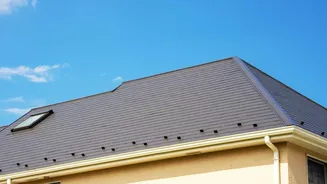
Implementing a cool roof doesn't necessarily mean a complete and costly overhaul. There are several options available to suit different budgets and roof types. Reflective coatings are a popular choice; these liquid-applied paints contain special pigments that reflect sunlight and can be applied to many existing roof surfaces like concrete or metal. Another option is using inherently cool materials. Traditional china mosaic or white ceramic tiles have natural reflective properties and are a durable solution. For new constructions or major renovations, you can opt for factory-made cool roof materials like special shingles, coated metal sheets, or single-ply membranes designed for high solar reflectance.
More Than Just a Lower Temperature
The advantages of a cool roof extend beyond just personal comfort. By lowering the need for air conditioning, you can see a significant reduction in your electricity bills, with potential energy savings of 15% to 30%. This reduced energy consumption also means a smaller carbon footprint, as power plants burn less fossil fuel. Furthermore, cool roofs help combat the 'urban heat island' effect, where cities become much hotter than surrounding rural areas due to dark, heat-absorbing surfaces like roads and traditional roofs. Widespread adoption can lower ambient city temperatures, improving public health and air quality. Finally, by reducing the extreme temperature fluctuations a roof endures daily, a cool roof can also extend the lifespan of the roofing material itself, saving you money on future repairs and replacements.