








The Rise of the Wellness Brew
The idea of drinking a warm concoction to ward off illness is hardly new, especially in India. For generations, households have relied on homemade 'kadha'—a potent brew of herbs and spices—to soothe sore throats and fight off colds. What we're seeing
today is a modern, beautifully packaged evolution of this age-old tradition. The global focus on health has pushed these 'immunity teas' into the mainstream spotlight. They promise a simple, comforting way to support our body's natural defences. This renewed interest isn't just a fleeting trend; it reflects a larger cultural shift towards proactive wellness and finding comfort in natural, familiar ingredients.
Decoding the Ingredient List
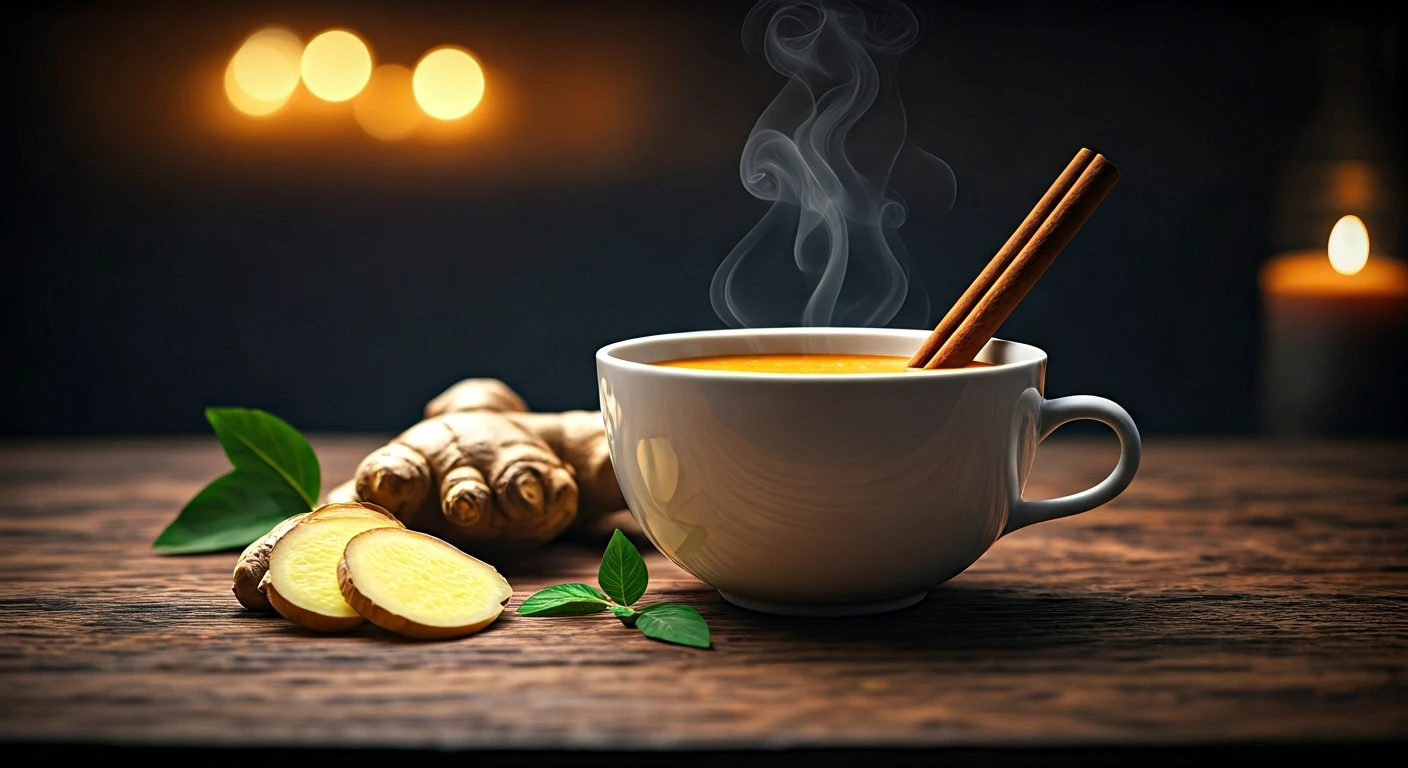
So, what exactly goes into an 'immunity tea'? The recipes often feature a powerful cast of characters straight from our spice boxes and grandmothers' gardens. Turmeric (haldi) is a star player, celebrated for its active compound, curcumin, which has well-documented anti-inflammatory properties. Ginger (adrak) is another staple, traditionally used to soothe digestion and fight nausea. You'll also frequently find Tulsi (Holy Basil), revered in Ayurveda for its adaptogenic qualities, which are believed to help the body manage stress. Other common additions include cinnamon (dalchini), cloves (laung), black pepper (kali mirch), and Amla (Indian gooseberry), all of which are rich in antioxidants and have been used in traditional medicine for centuries.
Myth: A Magic Shield Against Sickness
Here's where we need to be clear: no single food or drink can act as a magic shield that makes you invincible to viruses or bacteria. The term 'immunity-boosting' is a marketing favourite, but it's misleading. A healthy immune system is a complex network that functions best when your entire lifestyle supports it. Think balanced diet, regular exercise, adequate sleep, and stress management. Sipping on a cup of tea, no matter how many powerful spices it contains, cannot replace these fundamental pillars of health. It can't 'boost' your immunity from 80% to 100%. Instead, it's more accurate to think of these ingredients as being 'supportive' of overall immune function as part of a holistic approach to health.
Reality: A Comforting, Healthy Ritual
While immunity tea isn't a cure-all, its benefits are very real. Firstly, it's a fantastic way to stay hydrated. A warm, flavourful drink can be far more appealing than plain water, especially when you're feeling under the weather. The ingredients themselves offer tangible comforts; ginger can soothe a scratchy throat, the warmth can ease congestion, and the ritual of preparing and sipping tea can be incredibly calming for the mind. Furthermore, the spices used are loaded with antioxidants, which help combat cellular damage caused by free radicals in the body. So, while it won't stop you from ever getting sick, incorporating it into your routine is a genuinely healthy and comforting choice.
DIY Kadha vs. Store-Bought Tea Bags
Should you brew your own or buy a box? There are pros and cons to both. Making your own 'kadha' at home gives you complete control. You can use fresh ingredients, adjust the spice levels to your liking, and avoid any hidden sugars or artificial flavours that sometimes sneak into commercial products. It’s also more cost-effective. However, the convenience of pre-packaged tea bags is undeniable, especially for busy lifestyles or for keeping at the office. If you're going the store-bought route, become a label detective. Look for brands that use high-quality, organic ingredients and have a transparent list with no 'added flavours' or sweeteners. The goal is to get the goodness of the spices, not a cup of sugary water.