



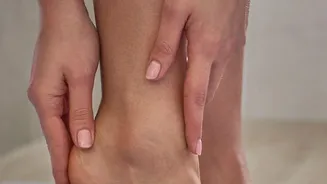
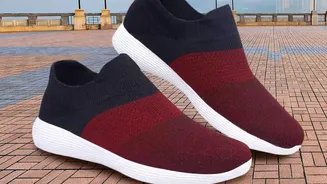
The First Steps: Immediate Foot Rescue
The moment you step indoors, your priority is to get your feet out of that wet environment. Don't delay or sit around in damp socks and shoes. The longer your feet remain wet, the higher the risk of skin issues and infections. First, remove your soaked
footwear and socks. Next, head straight to the bathroom and wash your feet thoroughly with mild soap and water. Pay special attention to the spaces between your toes, as this is a prime area for moisture and germs to hide. Once clean, drying is the most critical step. Use a clean, dry towel and pat your feet until they are completely dry. Rushing this part can leave behind dampness, defeating the purpose of washing. Taking these immediate actions is your first line of defense against common monsoon foot ailments.
Why Damp Feet Are a Health Hazard
Wearing wet socks and shoes does more than just cause discomfort; it creates an ideal breeding ground for fungi and bacteria. The dark, warm, and moist environment inside a wet shoe is an incubator for fungal infections like Athlete's Foot, which causes itching, scaling, and cracked skin between the toes. It can also lead to painful fungal nail infections, which are harder to treat. Constant dampness also softens the skin, making it more prone to friction from your shoes, which results in painful blisters. In more severe and prolonged cases, it can even lead to a serious condition known as trench foot, which involves damage to the skin, nerves, and blood vessels. Furthermore, the bacterial growth is what causes that notoriously unpleasant smell from shoes that haven't dried properly.
How to Save Your Soaked Shoes
Your feet aren't the only victims of a downpour; your shoes need immediate attention too. Leaving them wet can cause the material to warp, the glue to dissolve, and mould to grow. First, if your shoes have removable insoles, take them out to dry separately. Loosen the laces to open up the shoe as much as possible. Then, grab a stack of old newspapers, crumple the sheets into balls, and stuff them firmly inside your shoes. The paper is highly absorbent and will draw moisture out from the inside. Replace the soggy newspaper with fresh, dry sheets every few hours for the best results. It is crucial to let your shoes air dry in a well-ventilated area indoors. Never place them on a radiator, in direct sunlight, or use a hairdryer, as intense heat can crack leather, shrink fabrics, and weaken adhesives, causing permanent damage.
Prevention Is the Best Monsoon Strategy
The best way to deal with soaked feet is to avoid it in the first place. Your choice of footwear is key. During the rainy season, it's wise to set aside your expensive leather, suede, and canvas shoes. Instead, opt for monsoon-friendly footwear made from rubber or other waterproof materials, like floaters or flip-flops, which allow water to drain away easily and let your feet breathe. If you must wear closed shoes for work, make it a habit to rotate between at least two pairs; this ensures one pair can dry completely for 24-48 hours while you wear the other. A simple yet effective habit is to always carry a spare pair of dry socks in your bag. Changing out of wet socks as soon as possible can significantly reduce your risk of infection. You can also treat your regular shoes with a water-repellent spray before the season begins to add a protective layer.