



A Shift From Aesthetics to Ability
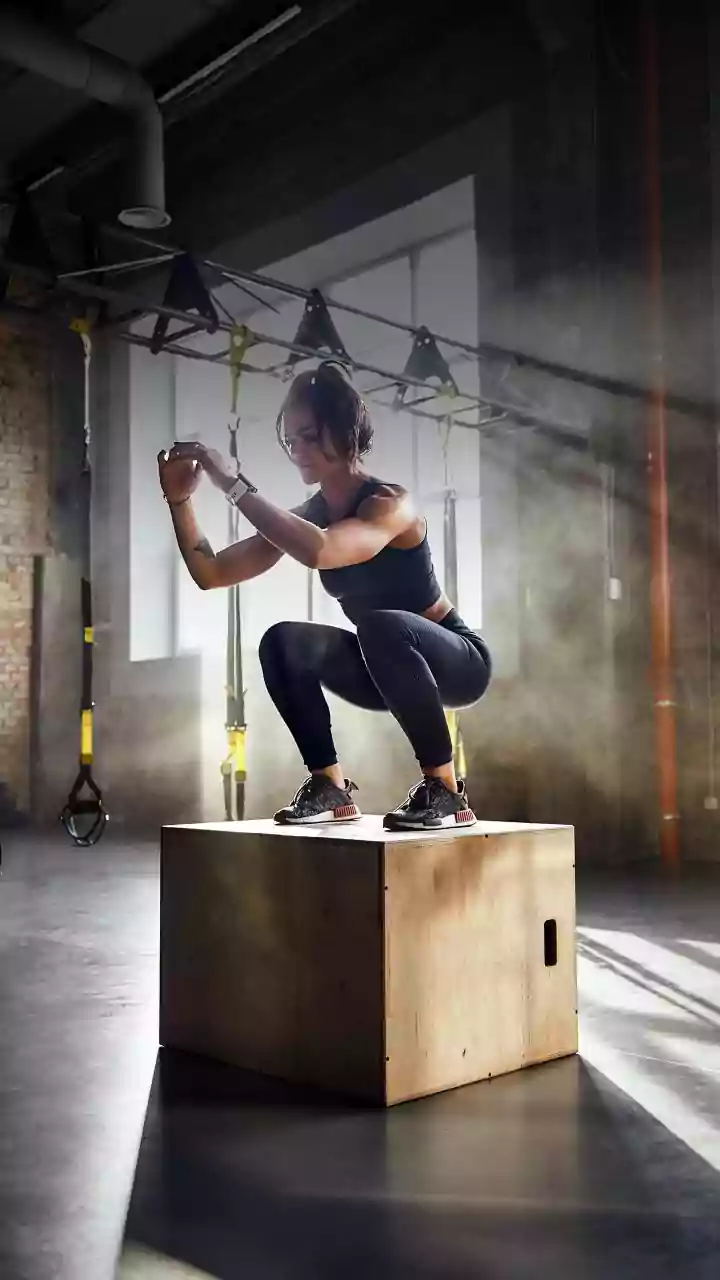
For many young Indians, the definition of fitness is changing. The focus is shifting from purely aesthetic goals, like building visible muscle, to developing functional strength, mobility, and overall well-being. There's a growing understanding that true
health is about longevity and preventing lifestyle diseases, not just short-term gains. This has led to a search for more holistic practices that train the body and mind in unison. Instead of isolating muscles, these traditional disciplines teach the body to move as an integrated system, building practical strength that translates to everyday life.
Kalaripayattu: The Mother of Martial Arts
At the forefront of this revival is Kalaripayattu, a martial art from Kerala often considered one of the oldest in the world. More than just a combat system, Kalaripayattu is a complete discipline that combines dynamic body exercises (Meithari), weapons training, and even healing practices like Marma treatment. Its flowing, animal-inspired postures and deep stances build incredible flexibility, strength, and coordination. Today, urban studios are adapting these ancient techniques into powerful fitness regimens, attracting people who want a workout that offers physical conditioning, mental focus, and a deep connection to a centuries-old tradition.
Mallakhamb: The Art of Pole Gymnastics
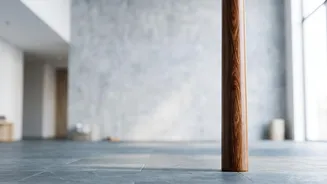
Another practice capturing the imagination of the youth is Mallakhamb. This traditional sport, which originated in Maharashtra as a training method for wrestlers, involves performing complex gymnastic postures and aerial yoga poses on a vertical wooden pole or a rope. The name itself translates to “wrestler of the pole.” It is a breathtaking display of strength, agility, and balance that provides a full-body workout. Once seen primarily in traditional 'akhadas,' Mallakhamb is now being taught in modern fitness centers and dedicated academies across the country, some even winning national acclaim on television talent shows. It's being recognized not just as a sport, but as a powerful way to build core strength, concentration, and discipline.
Why Now? A Search for Roots
This resurgence isn't happening in a vacuum. It is part of a broader cultural shift among young Indians—Millennials and Gen Z—who are actively seeking authenticity and a connection to their heritage. In a world of globalized fitness trends, there is a growing pride in embracing practices that are uniquely Indian. Social media also plays a significant role, as influencers and practitioners share visually stunning videos of Kalaripayattu flows and Mallakhamb acrobatics, bringing these ancient arts to a new, digitally-savvy audience. This generation is blending traditional wisdom with a modern understanding of health, valuing practices that offer both evidence-based results and a sense of cultural identity.
More Than Just a Workout
Ultimately, the appeal of these desi movement forms lies in their holistic approach. Unlike a typical gym session that might end when you leave the building, practices like Kalaripayattu and Mallakhamb often foster a deeper sense of community and discipline. Training instills respect, resilience, and mental focus, benefits that extend far beyond the 'kalari' or the 'akhada'. Practitioners are not just learning exercises; they are engaging with a philosophy and a way of life that has been refined over centuries. This offers a profound sense of purpose that many feel is missing from conventional fitness routines.