


The Science of Shrinking
Shrinkage isn't just a random accident; it's a predictable reaction of certain fibres to heat, moisture, and agitation. Natural fibres like cotton and wool are particularly vulnerable. During the manufacturing process, these fibres are stretched and put
under tension to create yarn and fabric. When you wash them, the water allows these fibres to relax. Then, the high heat of a tumble dryer causes them to contract and tighten, returning them to a more natural, shorter state. The mechanical tumbling action adds to this by causing the fibres to compact further, a process that can also make clothes feel stiff. Over-drying makes it even worse, as it removes all moisture, causing fibres to become brittle and draw up even tighter.
The Usual Suspects: Fabrics at Risk
While many synthetic fabrics like polyester and nylon are largely resistant to shrinking, natural fibres require more careful handling. Cotton is one of the most common materials to shrink because its porous fibres absorb a lot of water and then contract significantly in the heat. Wool is notoriously sensitive; its fibres have microscopic scales that can interlock when agitated in heat, causing irreversible felting and shrinking. Linen, another natural plant fibre, is also prone to shrinking when exposed to high temperatures. Even some semi-synthetic fabrics like rayon and viscose are major culprits, as they are weak when wet and can easily lose their shape and size in a dryer.
Your First Line of Defence: The Care Label
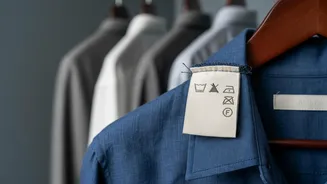
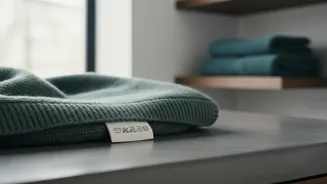
The single most effective way to prevent shrinkage is to read your garment's care label. This small tag contains crucial instructions from the manufacturer on how to wash and dry the item safely. Symbols will tell you whether an item is safe for the tumble dryer, and if so, at what temperature. A square with a circle inside indicates it can be tumble-dried, while a cross through it means you should air-dry only. Dots inside the circle represent the heat setting: one dot for low heat, two for medium, and three for high. Ignoring these symbols is a gamble that often doesn't pay off, especially with delicate or expensive items.
The Gentle Art of Air-Drying
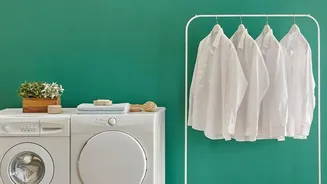
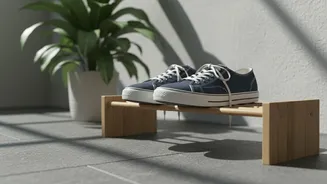
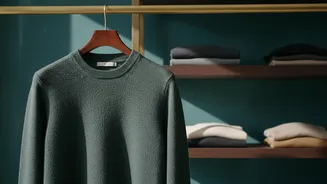
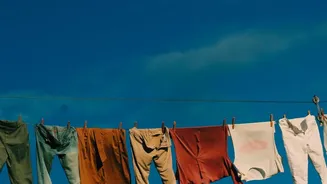
When the label says no to the tumble dryer, air-drying is your best bet. For best results, first shake each garment out after washing to reduce wrinkles and help it dry faster. You can hang items on a clothesline, a drying rack, or even a spare shower rod. Using hangers for shirts and delicate tops helps them keep their shape. Heavy items like wool sweaters should be laid flat on a towel or a mesh rack to prevent stretching. If you're drying indoors, ensure good ventilation by opening a window or using a fan to speed up the process and prevent a damp smell. For those who miss the softness a dryer provides, you can air-dry clothes until they're almost dry, then toss them in the dryer on a no-heat 'air fluff' setting for a few minutes to soften them up.
Is It Possible to Un-Shrink a Garment?
If the damage is already done, there might be a way to salvage your shrunken clothing, though success isn't guaranteed. The most common method involves soaking the garment for about 30 minutes in a sink of lukewarm water mixed with a capful of hair conditioner or baby shampoo. The conditioner helps relax the fibres. After soaking, gently squeeze out the excess water without rinsing, lay the item flat on a towel, and roll it up to absorb more moisture. Finally, unroll it and gently stretch the garment back to its original shape, laying it flat to dry. This process works best on natural fibres like cotton and wool, but it may take patience to coax the item back to a wearable size.