



In the daily rush of modern life, deciding what’s for dinner can feel like a constant battle. For many Indian families, this leads to mealtime stress and a reliance on convenience. But what if the solution isn't a new app, but our own history?
The Modern Mealtime Dilemma
The question
'What's for dinner?' often triggers a wave of decision fatigue in busy households. Between work deadlines, school schedules, and daily commutes, the mental energy required to plan nutritious meals for breakfast, lunch, and dinner is immense. This often leads to reactive meal decisions based on hunger and time pressure, resulting in a cycle of ordering takeout or relying on processed foods. While convenient, this shift away from home-cooked meals comes at a cost, contributing to nutritional imbalances and a growing disconnect from our food. The challenge isn't a lack of knowledge, but the struggle to maintain consistency amid chaotic schedules.
The Wisdom in Grandmother's Kitchen
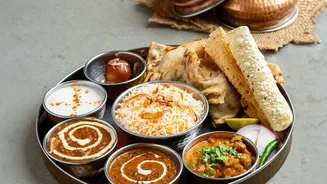
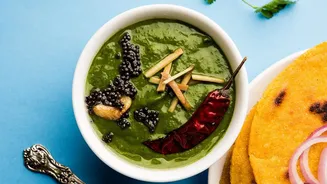
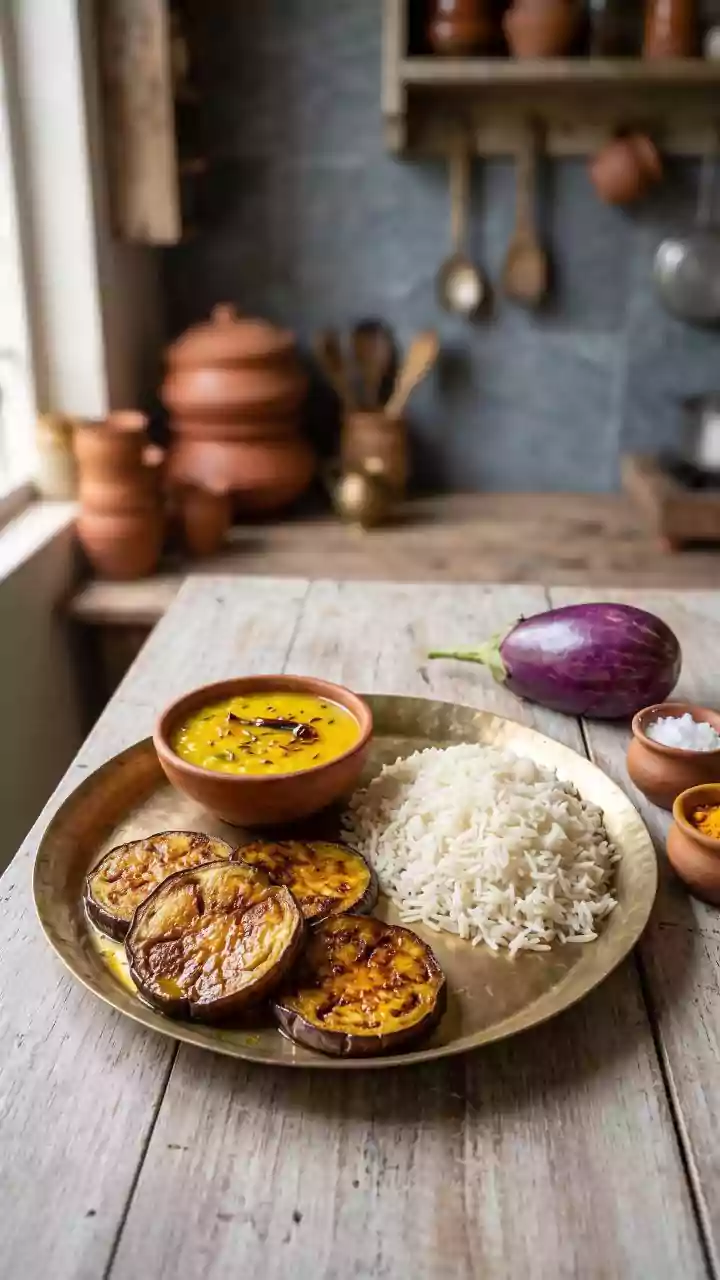
The movement to revive traditional Indian recipes is more than just nostalgia; it's a return to a system of eating rooted in wellness. Traditional Indian diets are inherently balanced, combining grains, lentils, seasonal vegetables, and spices to provide a complete nutritional profile. For centuries, these food practices were built on principles that modern science is now validating. For example, spices like turmeric, ginger, and cumin weren't just for flavour but for their medicinal properties, aiding digestion and boosting immunity. Cooking methods like steaming and slow-cooking helped retain maximum nutrients in the food. This ancestral wisdom understood seasonal eating and the importance of whole, unprocessed ingredients long before they became modern wellness trends.
More Than Just Food
Re-embracing traditional recipes is about rebuilding more than just a healthy plate; it's about strengthening family bonds. The process of cooking and eating together fosters connection, creating space for shared stories and rituals. Passing down family recipes from one generation to the next is a way of preserving cultural heritage and identity. In a world of digital distraction, the kitchen can become a sanctuary for mindful activity. The act of chopping vegetables, grinding spices, and watching a dal simmer is a sensory experience that grounds us in the present moment, a stark contrast to the passive consumption of fast food.
Making Tradition Work Today
Adopting ancestral eating habits doesn't require a complete overhaul of your modern life. The key is to integrate traditional practices into today's busy schedules. Meal planning is crucial. Spending a few hours on the weekend to plan the week's meals, chop vegetables, or prepare basic gravies can drastically reduce daily cooking time. Techniques like pressure cooking and pre-soaking lentils and grains are traditional time-saving hacks that are perfectly suited for a fastpaced lifestyle. Another effective strategy is to 'cook once, use twice' by making larger batches of staples like dal or sabzi that can be used for dinner one night and packed for lunch the next day. Writing the plan down on a visible board can turn a chaotic routine into a simple, repeatable system.
Simple Swaps to Get Started
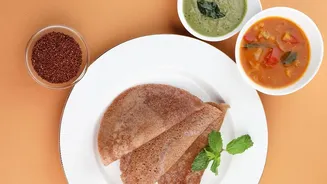
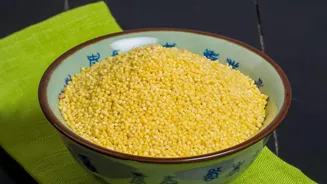
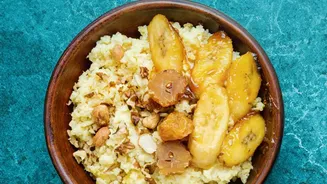
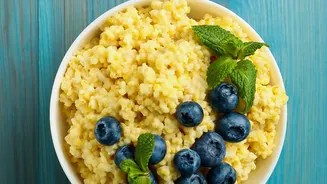
The journey back to traditional eating can begin with small, manageable changes. Instead of reaching for a packaged snack, try a piece of fruit or a handful of nuts. Swap refined grains for heirloom varieties like millets or handpounded rice, which are richer in nutrients and fiber. Many organisations are now working to revive and popularise these heirloom grains, making them more accessible. Introduce one or two traditional meals into your weekly rotation, perhaps a simple khichdi or a regional vegetable dish. Even the practice of using whole spices and fresh gingergarlic paste instead of storebought versions can elevate the nutritional value and flavour of your meals, reconnecting you with the authentic taste of Indian home cooking.