
A New Window on the Cosmic Dawn
The James Webb Space Telescope, a collaboration between NASA, the European Space Agency (ESA), and the Canadian Space Agency (CSA), is the most powerful space observatory ever built. Its primary mission is to explore the 'Cosmic Dawn'—the era a few hundred
million years after the Big Bang when the first stars and galaxies were born. Unlike its predecessor, the Hubble Space Telescope, Webb is designed to see the universe in infrared light. This is crucial because, as the universe expands, the light from the most distant objects gets stretched out, shifting from visible light into the infrared spectrum—a phenomenon known as redshift. By detecting this faint infrared glow, Webb effectively acts as a time machine, allowing astronomers to witness the formation of the cosmos more than 13.5 billion years ago.
The Technology Behind the Time Machine
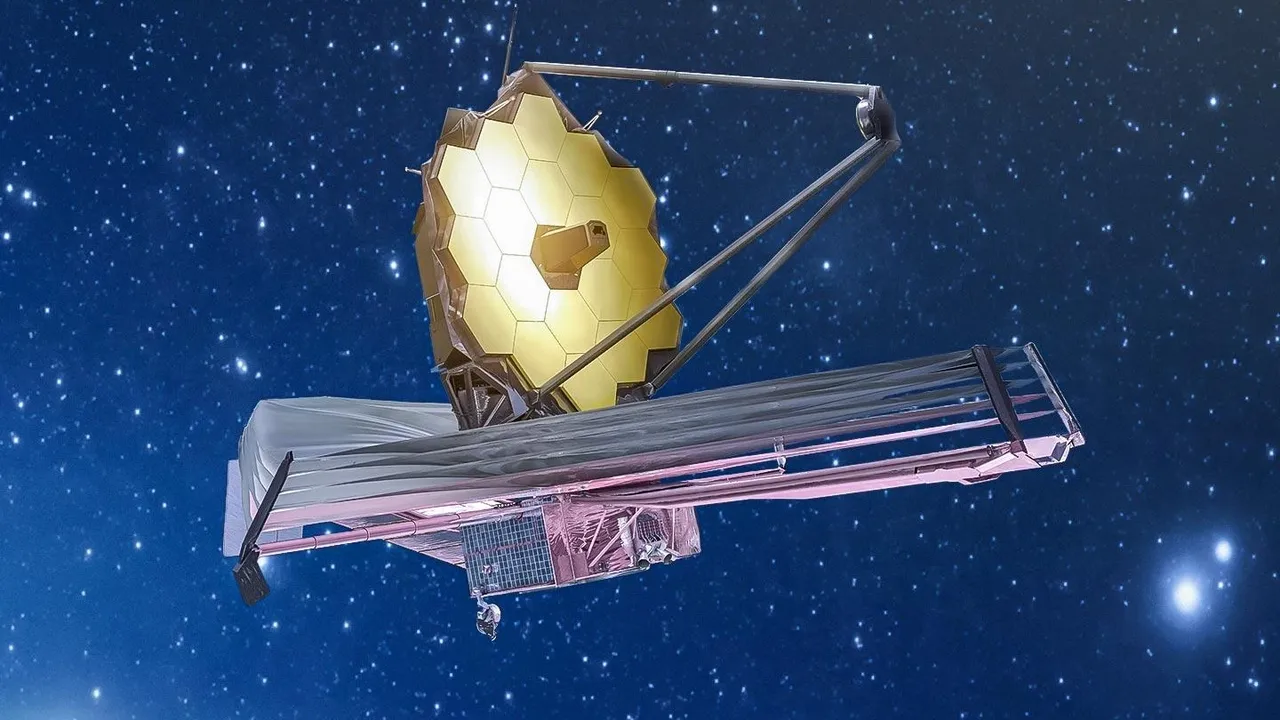
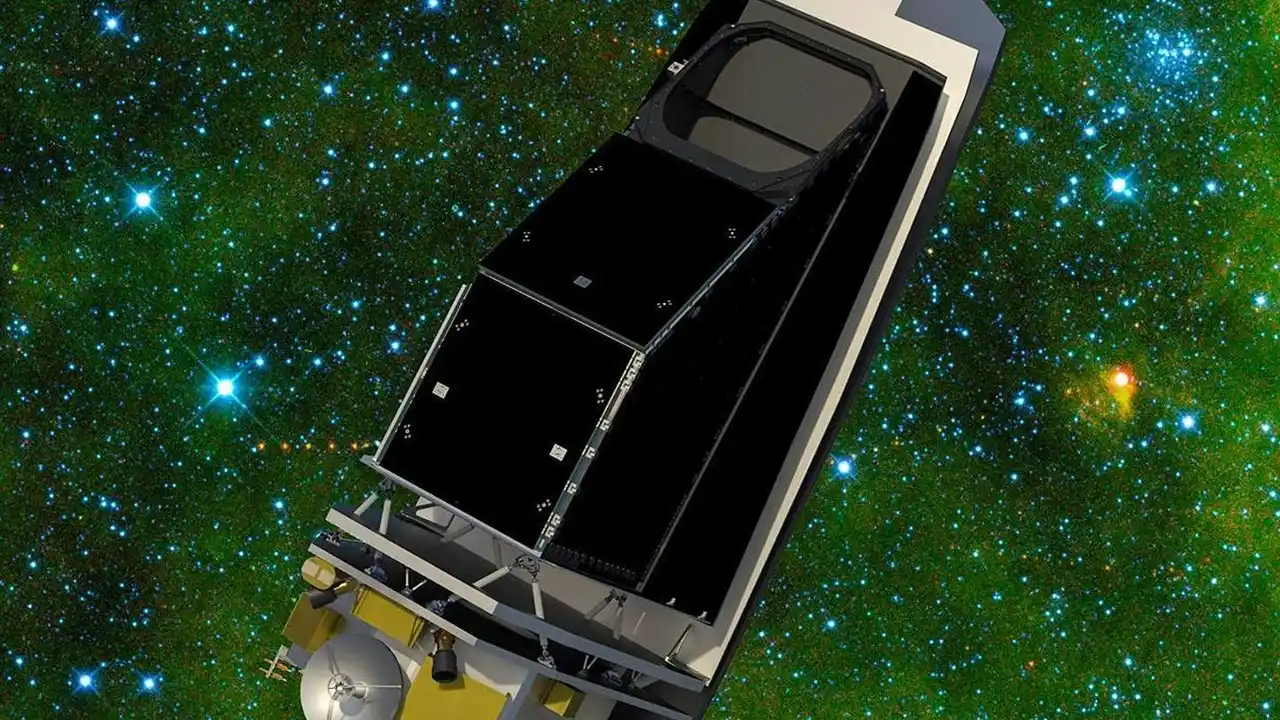
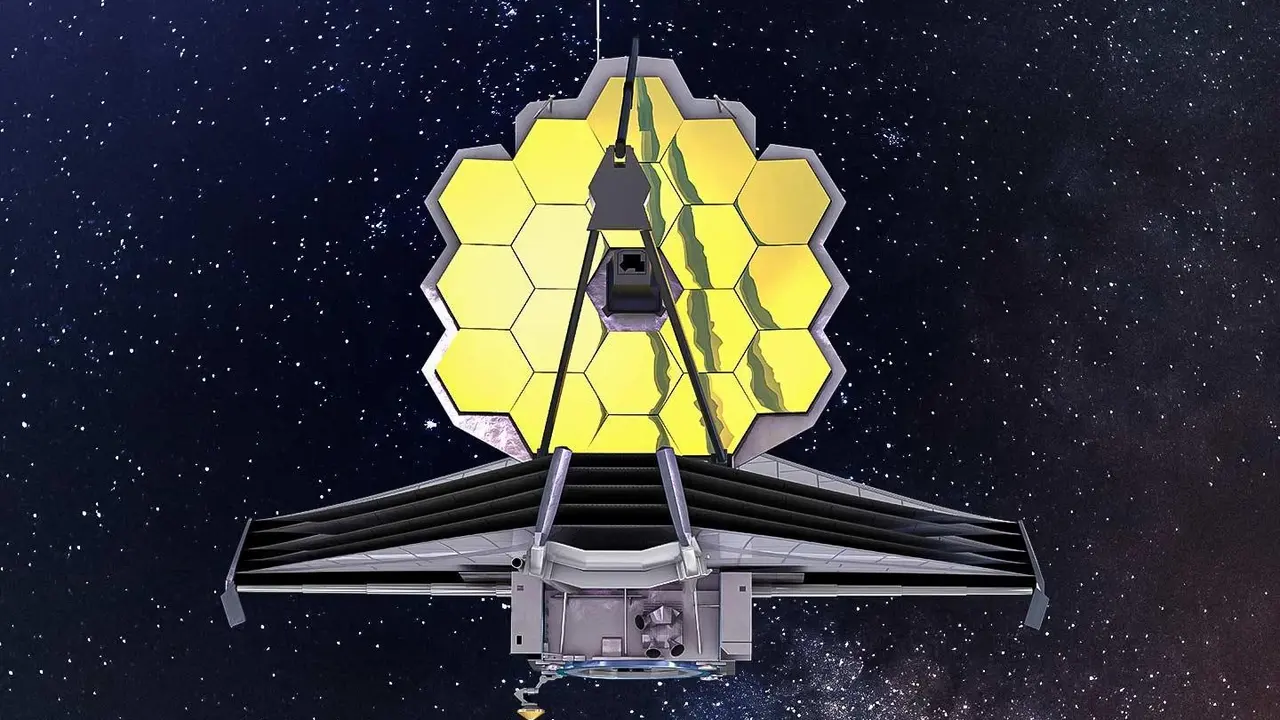
Webb’s ability to peer into the past is thanks to its revolutionary technology. Its massive primary mirror, composed of 18 gold-coated hexagonal segments, spans 6.5 meters, giving it unprecedented light-collecting power. This allows it to capture incredibly faint signals from the edge of the known universe. But the real trick is its specialization in infrared. The universe's first galaxies emitted visible and ultraviolet light, but billions of years of cosmic expansion have redshifted this light so much that it now arrives at Earth as infrared radiation. Human eyes can't see this, and Earth's atmosphere absorbs much of it, which is why Webb orbits the sun a million miles from our planet. Its advanced instruments, like the Near-Infrared Camera (NIRCam) and Near-Infrared Spectrograph (NIRSpec), are designed to be ultra-sensitive to these specific wavelengths, piercing through cosmic dust clouds that would obscure the view of other telescopes.
Meet the Cosmic Ancestors
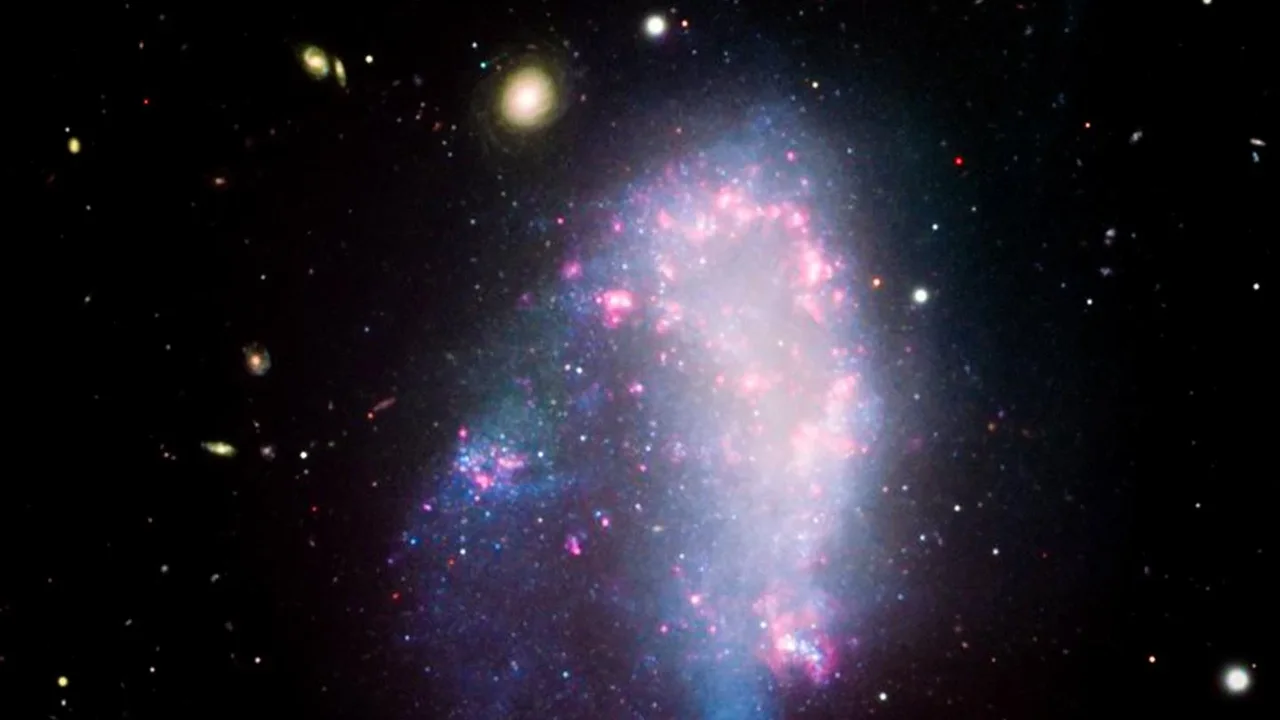
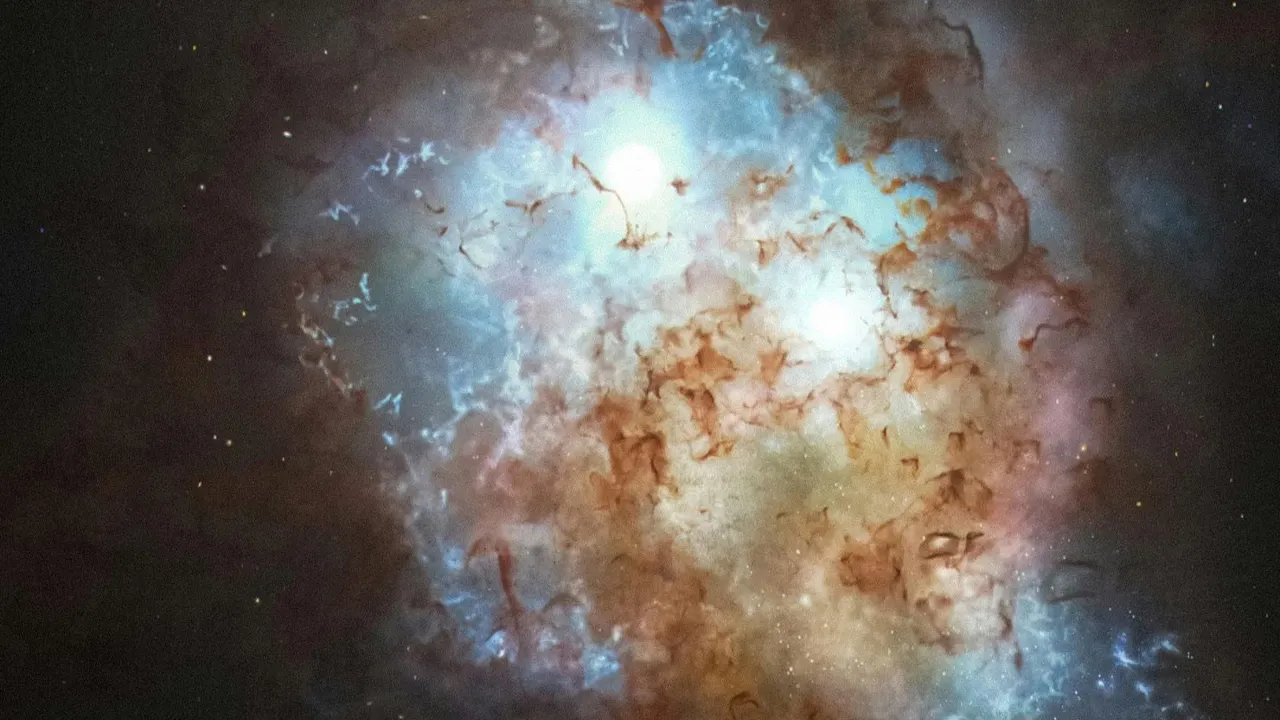
Through programs like the JWST Advanced Deep Extragalactic Survey (JADES), scientists are using Webb to stare at small patches of the sky for hundreds of hours, building up some of the deepest images of the universe ever taken. These deep fields have revealed a menagerie of nascent galaxies. One of the most significant finds is a galaxy called JADES-GS-z14-0, which existed just 290 million years after the Big Bang. This galaxy surprised scientists with its unexpected brightness and size, measuring over 1,600 light-years across. Astronomers determined that its luminosity comes from a massive population of young stars, not from a supermassive black hole at its center, challenging previous theories about how quickly large galaxies could form. Since that discovery, Webb has continued to break its own records, reportedly spotting galaxies like MoM-z14 that existed even earlier, around 280 million years post-Big Bang.
Rewriting the First Chapter of the Universe
These discoveries are more than just new records; they are fundamentally altering our understanding of cosmology. The existence of such large, bright, and well-formed galaxies so early in the universe's history is a puzzle. Previous models suggested that the first galaxies would be small, clumpy, and grow slowly through mergers over billions of years. However, the galaxies Webb is finding appear to have formed much faster and more furiously than predicted. This suggests that the conditions in the early universe were more conducive to rapid star and galaxy formation than scientists thought. Furthermore, the detection of heavier elements like carbon and nitrogen in these ancient galaxies indicates that there must have been even earlier generations of stars that forged these elements and seeded the cosmos. Astronomers are now scrambling to adjust their models to account for this accelerated timeline of cosmic evolution.