


What is Water-Smart Gardening?
Water-smart gardening, often known by its technical name 'xeriscaping', is a design philosophy focused on creating beautiful, sustainable landscapes that require minimal water. Forget the myth of barren rock and cactus gardens; a modern water-wise garden can
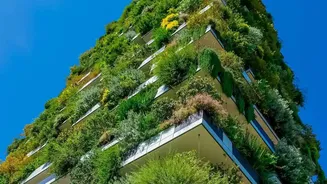
be as lush and inviting as any traditional space. It's about working with your local climate, not against it, by choosing the right elements to create a garden that is both resilient and resource-efficient. This approach is particularly relevant in India, where groundwater levels are under stress and monsoon patterns can be unpredictable. The shift is away from water-guzzling lawns and delicate, thirsty plants, and towards a smarter, more stylish form of natural beauty that saves time, money, and a precious resource.
Start with Smart Design
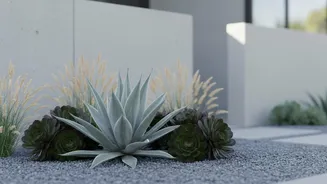
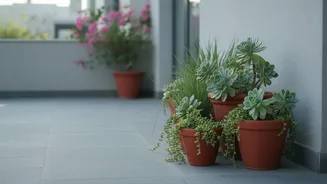
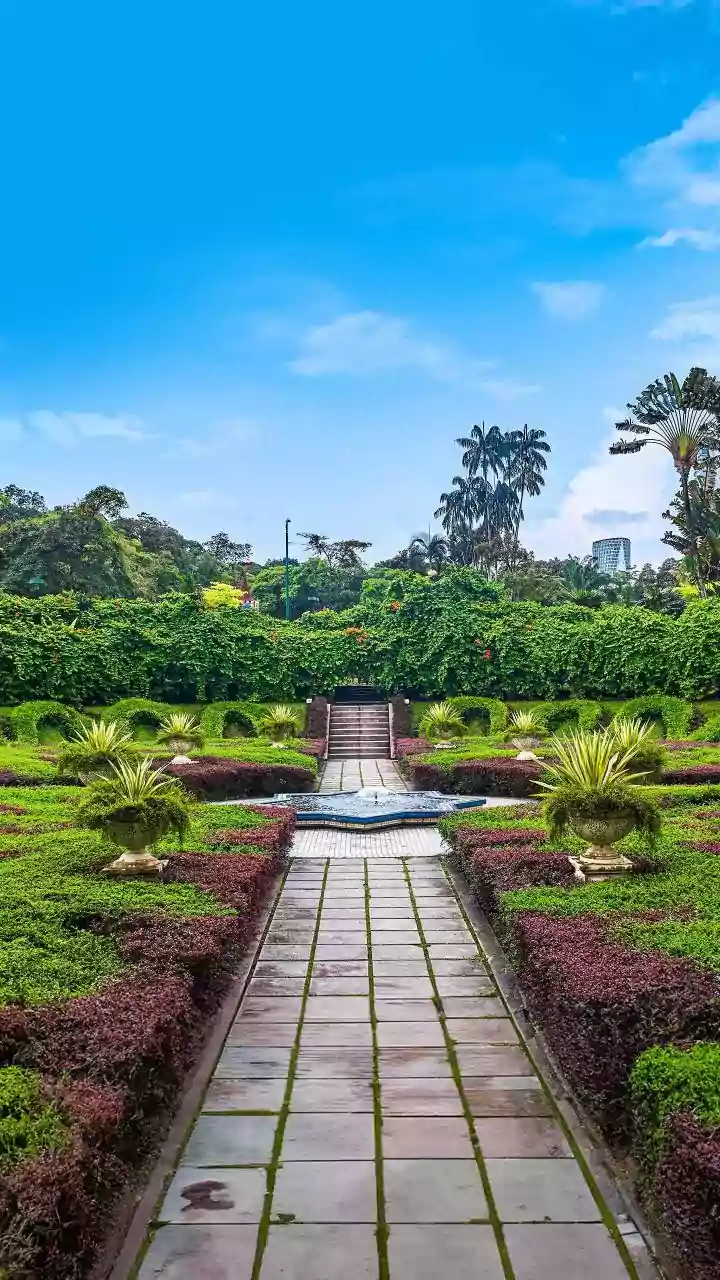
A successful low-water garden begins with a good plan. Before you buy a single plant, observe your space. Identify the sunny, hot zones and the cooler, shady spots. A core principle of water-wise design is 'hydrozoning'—grouping plants with similar water and light needs together. This allows you to water efficiently, giving a deep soak to a thirsty patch without overwatering the drought-tolerant plants next to it. Also, consider reducing the size of your lawn, which is typically the thirstiest part of any garden. Replace sections of grass with attractive hardscaping like gravel paths, stone patios, or a deck. These non-living elements add structure and visual interest while drastically cutting down on water needs.
The Right Plants for the Right Place
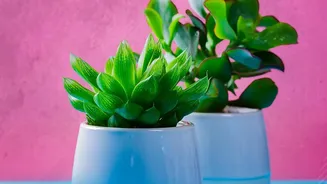
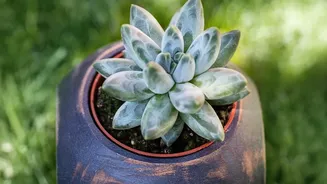
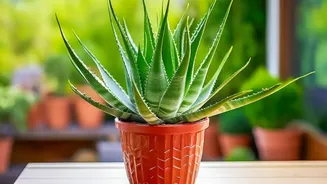
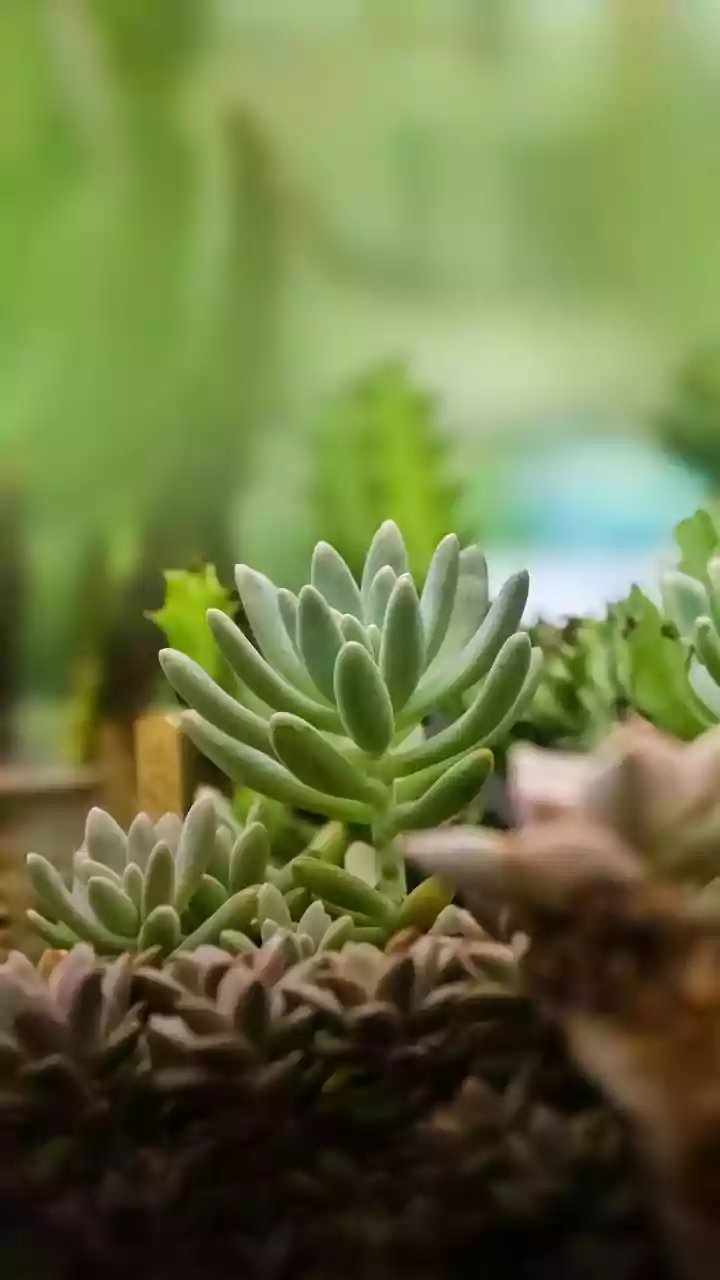
The heart of any garden is its plants, and in a water-smart design, selection is everything. Focus on native and drought-tolerant species that are naturally adapted to your region's conditions. For Indian gardens, this includes a stunning variety of options. Hardy, vibrant Bougainvillea and Portulaca (Moss Rose) offer incredible colour with very little water. Succulents like Aloe Vera and Agave provide dramatic shapes and textures. For structure and foliage, consider ornamental grasses or hardy shrubs. Even herbs like Tulsi (Holy Basil) can be quite drought-resistant once established. The key is to choose plants that will thrive, not just survive, with less irrigation, reducing the need for constant care and intervention.
Soil, Mulch, and Smart Watering
Healthy soil is the foundation of a healthy garden. Amending your soil with organic matter like compost improves its structure and water-retention capacity, meaning the water you do use goes further. After planting, apply a thick layer of mulch—such as wood chips, bark, or even gravel—around your plants. Mulch is a garden's best friend; it suppresses weeds, regulates soil temperature, and, most importantly, dramatically reduces water evaporation from the soil surface. When it comes to watering, the mantra is 'deeply and infrequently'. Instead of a light daily sprinkle, use a drip irrigation system or a soaker hose to deliver water directly to the plant's root zone. This encourages deep root growth, making plants stronger and more resilient to dry spells.
Benefits Beyond the Water Bill
The most obvious benefit of a water-smart garden is a lower water bill, but the advantages don't stop there. Because these gardens are designed to be in harmony with the local environment, they are naturally low-maintenance, requiring less weeding, fertilising, and mowing. This saves you time and effort. By using native plants, you also create a valuable habitat for local wildlife, including pollinators like bees and butterflies, which supports local biodiversity. Ultimately, embracing a low-water landscape increases your home's curb appeal with a unique, modern aesthetic that is both beautiful and environmentally responsible.