





An End to Vague Predictions
For decades, the India Meteorological Department (IMD) provided monsoon forecasts on a national or, at best, a state-wide scale. While useful for high-level policy, a declaration of a “98% of normal” monsoon offered little practical value to a farmer
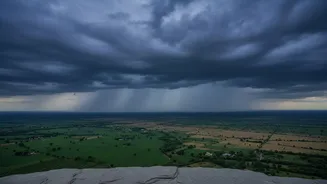
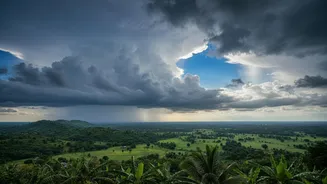
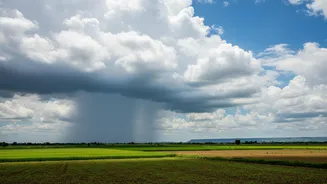
in a single district, whose fields might be experiencing a drought even as a neighbouring area faced floods. This discrepancy between the macro picture and the micro reality has long been a source of frustration and economic loss. The monsoon’s behaviour can vary dramatically over just a few kilometres, making broad averages a blunt instrument for a phenomenon that demands precision. This old model often left farmers, disaster management authorities, and city planners guessing about the weather right outside their window, forcing them to rely on traditional knowledge or luck when making critical decisions.
The Dawn of Hyper-Local Forecasting
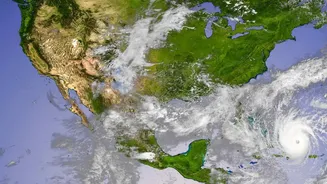
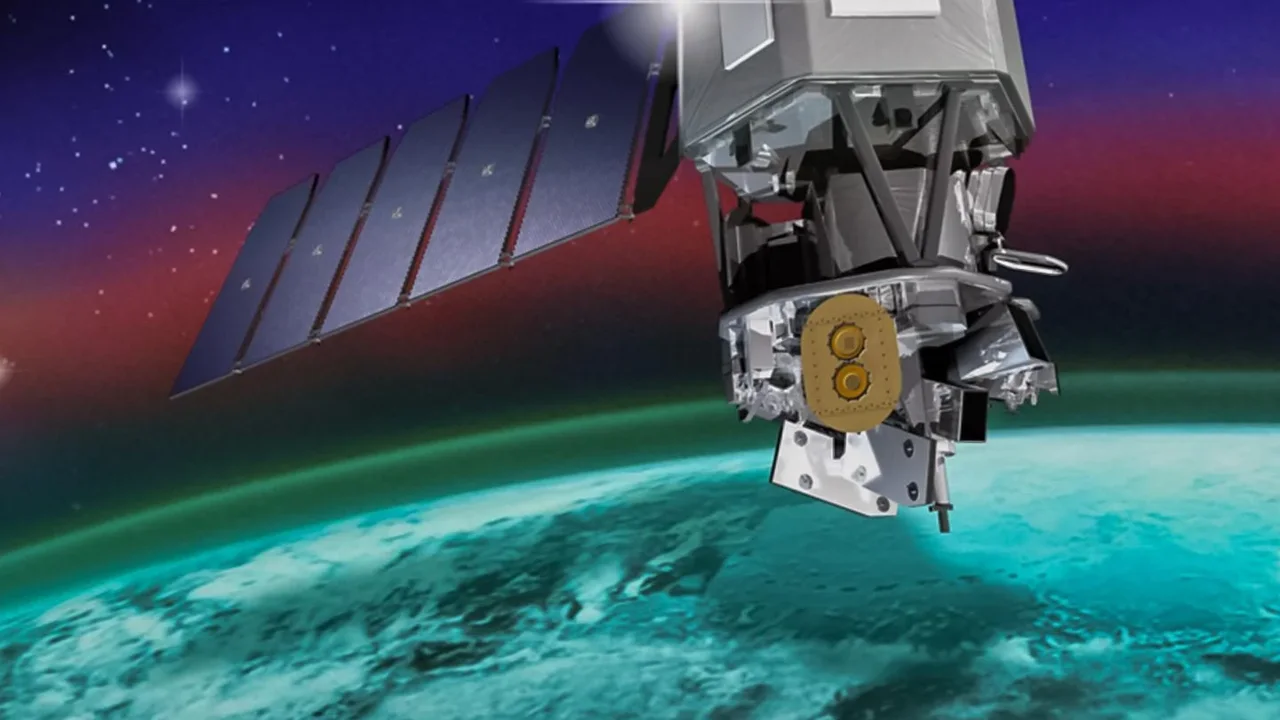
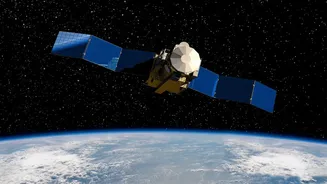
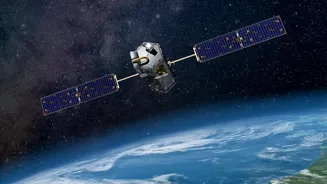
The IMD has now ushered in a new era of weather prediction with the introduction of block-level forecasting. Leveraging the power of artificial intelligence, supercomputers, and an expanding network of automatic weather stations and satellites, the IMD can now issue detailed forecasts for administrative blocks, which are much smaller units than districts. This new system, part of the Bharat Forecasting System, blends vast amounts of historical data with real-time information and global weather models to generate probabilistic forecasts for up to four weeks in advance. In states with dense observation networks like Uttar Pradesh, the resolution is being pushed to an incredible one square kilometre. This represents a monumental leap from generalized statements to providing actionable, location-specific intelligence. The initial rollout covers over 3,000 blocks, primarily in the rain-dependent monsoon core zone.
A Lifeline for Indian Agriculture
The most immediate and profound impact of this shift is on agriculture, the backbone of the rural economy. With precise, block-level warnings, a farmer can now make informed decisions that were previously impossible. Knowing when to sow seeds to catch the first rains, when to irrigate, when to apply fertilisers or pesticides to avoid them being washed away, and when to harvest can dramatically improve yields and reduce input costs. Studies have shown that access to such advisory services can cut cultivation costs by up to 25% and significantly boost net returns. This move towards precision agriculture helps de-risk farming for millions who are vulnerable to the vagaries of the monsoon, turning a gamble into a more calculated science.
Beyond the Farm Gates
The benefits of hyper-local forecasts extend far beyond agriculture. For India’s increasingly crowded cities, which are prone to sudden and severe flooding, district- and block-level warnings can be a lifesaver. Early, accurate alerts about impending downpours allow municipal authorities to prepare drainage systems, manage traffic, and issue timely warnings to residents, preventing loss of life and property. Disaster management agencies can more effectively pre-position resources and plan evacuations for cyclones, floods, and other extreme weather events. This improved forecasting capability strengthens the nation's overall resilience against the growing threat of climate change-induced weather volatility.
The Road Ahead: Challenges Remain
Despite the technological advancements, the journey is not over. The primary challenge is last-mile connectivity: ensuring this valuable information reaches every single farmer, including those with limited digital literacy or smartphone access. Building and maintaining trust is another hurdle; farmers will only rely on the forecasts if they prove to be consistently accurate. Furthermore, the success of the models depends on a dense network of ground-based weather stations and Doppler radars, which requires continued investment and expansion across the entire country. The IMD's new system is a powerful engine, but its true success will be measured by its ability to deliver timely, trustworthy, and actionable advice to the people who need it most, empowering them to navigate an increasingly uncertain climate.