






Why Humid Workouts Are So Draining
Exercising in high humidity feels significantly harder for a reason. Normally, your body cools itself when sweat evaporates from your skin. But when the air is already saturated with moisture, that evaporation process slows down dramatically. Your body's
response is to sweat even more in an attempt to cool off, leading to accelerated fluid and electrolyte loss. This double-whammy of rising core body temperature and rapid dehydration not only hurts your performance but also creates the perfect conditions for debilitating muscle cramps, stiffness, and fatigue. Losing even 2% of your body weight in fluids can be enough to impair your workout.
The Role of Electrolytes in Cramp Prevention
When you sweat, you lose more than just water. You also lose essential minerals called electrolytes. These include sodium, potassium, calcium, and magnesium, and they are critical for proper muscle function. Electrolytes act like the body's wiring, carrying the electrical signals that tell your muscles to contract and relax. An imbalance, particularly low levels of potassium and sodium, can cause this signalling system to misfire. Instead of relaxing smoothly after a contraction, the muscle can lock up, causing a painful, involuntary spasm or cramp. This is why simply drinking plain water isn't always enough during intense, sweaty workouts; you need to replace the lost electrolytes, too.
Coconut Water: Nature’s Electrolyte Drink?
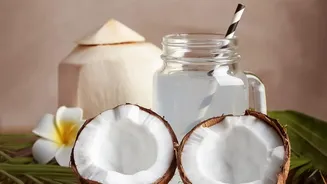
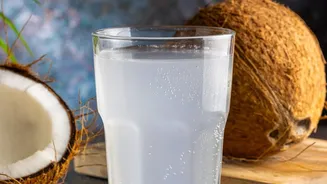
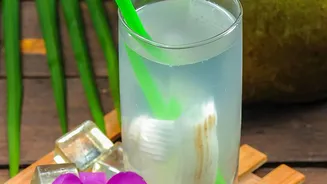
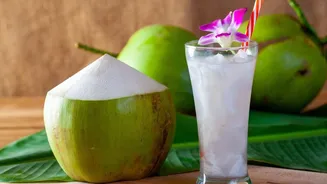
This is where coconut water enters the conversation. Often called "nature's sports drink," the clear liquid from young, green coconuts is naturally rich in electrolytes. Its standout feature is an impressive potassium content, often containing more than a banana and significantly more than most commercial sports drinks. A single cup can provide around 400-600 mg of potassium. It also contains other key minerals like magnesium, calcium, and a small amount of sodium, all of which play a role in muscle health and preventing cramps. This natural combination of fluids and minerals makes it an appealing option for rehydration.
Coconut Water vs. Commercial Sports Drinks
So, should you swap your usual sports drink for coconut water? It depends on your workout. For moderate exercise under an hour, coconut water is an excellent, natural choice. It effectively rehydrates and replenishes potassium without the high sugar content and artificial additives found in many commercial drinks. However, its main drawback is its relatively low sodium content. Sweat is primarily composed of water and sodium. For prolonged, intense exercise (over 90 minutes), especially in extreme heat, you lose a significant amount of sodium that coconut water alone may not replace. In these scenarios, a scientifically formulated sports drink with a higher sodium content might have an edge.
How to Use Coconut Water for Your Workouts
To make the most of coconut water, timing is key. Drinking it before your workout helps preload your muscles with potassium, which can help prevent cramps from starting in the first place. For workouts lasting around 30 to 60 minutes, sipping it during and after can aid recovery. Always opt for unsweetened varieties to avoid unnecessary sugars that can hinder hydration. For those engaging in very long and intense endurance activities, some experts suggest a simple hack: adding a small pinch of salt to your coconut water to boost its sodium content and create a more balanced electrolyte drink.