

The Age of the Lone Rover
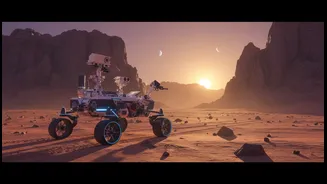
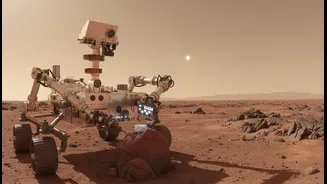
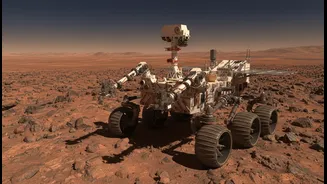
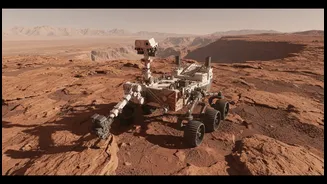
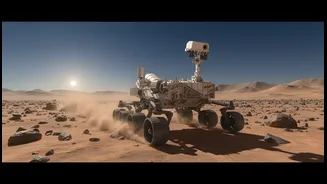
Our vision of exploring Mars has been shaped by iconic, lone explorers. From the first Sojourner rover in 1997 to the modern marvels of Curiosity and Perseverance, the model has been consistent: send one highly capable, large, and expensive robot to a specific
location. These missions have been phenomenally successful, rewriting our understanding of the Red Planet. However, this approach has inherent limitations. A single point of failure can end a billion-dollar mission, exploration is confined to one area at a time, and the rover relies heavily on step-by-step commands from human operators on Earth, a process with significant time delays.
Enter the Robotic Team
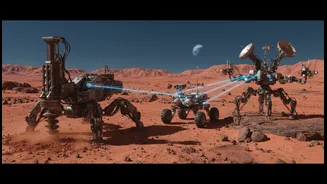
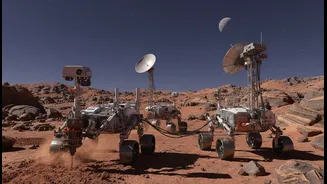
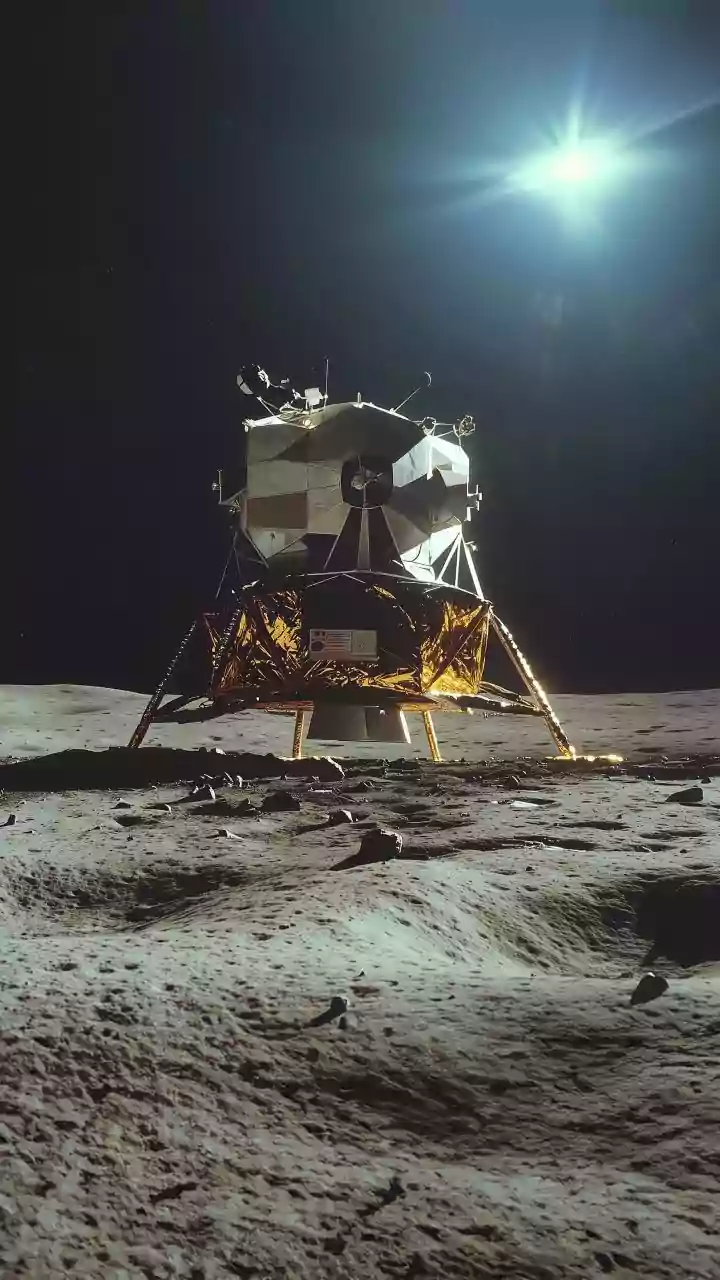
NASA is now developing a revolutionary alternative. The key project, called Cooperative Autonomous Distributed Robotic Exploration (CADRE), is designed to test a new paradigm. Instead of one rover, CADRE uses a team of three small, suitcase-sized rovers that work together. While this initial technology demonstration is destined for the Moon in 2026, its success will provide the blueprint for future missions to Mars and beyond. The core idea is to move from a single, complex asset to a distributed, collaborative network of simpler robots. This approach mirrors advancements in terrestrial AI and robotics, where swarms and teams can accomplish tasks far more complex than any single unit could manage.
The Power of Working Together
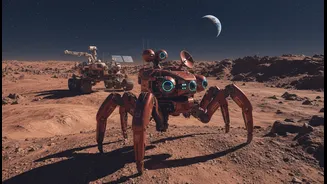
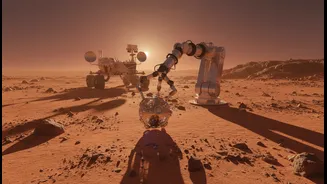
The magic of CADRE isn't just more wheels on the ground; it's the autonomy that binds them. The rovers communicate with each other and a base station, forming their own local network. They are designed to be NASA's first fully autonomous multi-robot mission. High-level commands like “explore this area” are sent from Earth, but the team of rovers figures out the details on its own. They autonomously elect a leader, which then divides the tasks and creates a strategic plan for the team. If one rover encounters a problem, the team can reconfigure, elect a new leader, and continue the mission. This offers incredible resilience compared to the high-stakes, single-rover model.
Exploring Smarter, Not Just Farther
A cooperative team can do things a lone rover simply cannot. The CADRE rovers will be able to take synchronised measurements from different locations at the same time. For their lunar mission, they will use ground-penetrating radar to create a 3D map of the subsurface, a feat that requires multiple, coordinated points of data collection. Imagine applying this to the search for water ice on Mars or mapping out subterranean lava tubes that could one day shelter human astronauts. By distributing the work, a robotic team can cover more ground, map larger areas faster, and gather more comprehensive datasets than ever before. They can also venture into riskier, high-reward areas, since the loss of a single small rover would not jeopardise the entire mission.
The Next Frontier for Exploration
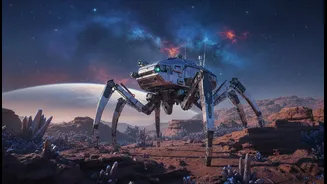
While CADRE is focused on the Moon, NASA's vision for Mars is also evolving. The agency recently announced the STRIDE initiative (Science Transport and Robotic Innovation for Deployment and Exploration), which funds private companies to develop next-generation mobility systems for Mars. The goal is to create technologies that can access challenging terrain and travel greater distances. The lessons learned from CADRE's autonomous teamwork will be invaluable for these future systems. The long-term vision is a flexible ecosystem of robotic explorers—from rovers and landers to aerial drones—working together to unlock the secrets of other worlds, with a level of efficiency and safety that is currently science fiction.