


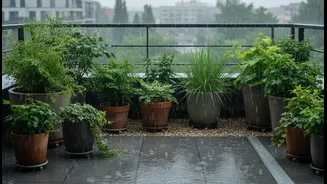


The Art of Vertical Gardening
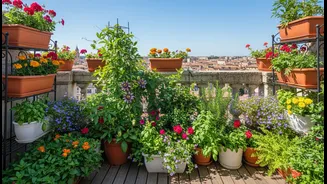
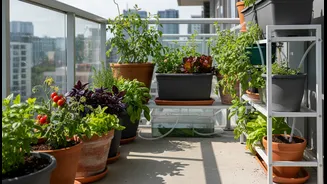
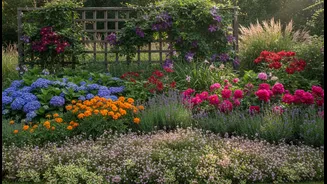
Garden layering is a design technique that arranges plants by height to mimic a natural ecosystem. It involves creating a background of tall plants, a middle ground of medium-sized plants, and a foreground of low-growing varieties. This approach isn't
just for aesthetics; it creates a healthier garden environment. The dense planting helps suppress weeds, retain soil moisture, and provide a habitat for beneficial insects. By thinking in three dimensions—up, across, and down—you can turn even a small balcony or a simple flowerbed into a dynamic, green tapestry that offers something to see in every season. The basic rule is to place the tallest plants in the back (or center, for an island bed), with progressively shorter plants in front.
Reach for the Sky: Climbers
The top layer of your garden provides the backdrop and vertical drama. Climbers are perfect for this role, as they cover walls, trellises, or fences, adding greenery and colour without taking up valuable floor space. Many are fast-growing and well-suited to Indian climates. For vibrant, year-round colour, Bougainvillea is a hardy choice that thrives in full sun and requires minimal water once established. If you desire fragrance, Star Jasmine (Trachelospermum jasminoides) or varieties like Mogra (Jasminum sambac) produce intoxicatingly scented white flowers, especially in the evenings. Another excellent option is the Rangoon Creeper (Madhumalti), known for its beautiful flower clusters that change colour from white to pink and then red.
The Heart of the Garden: Mid-Sized Herbs
The middle layer is where the garden's personality truly shines. This is home to medium-height plants that bridge the gap between the tall climbers and the low ground covers. Perennial herbs are an excellent choice for this layer, offering texture, fragrance, and a fresh supply for your kitchen. Holy Basil (Tulsi) is a must-have in many Indian homes, revered for its aromatic leaves and hardiness. Lemongrass is another fantastic option, forming dense clumps of grassy foliage that release a citrusy scent when brushed against. It thrives in sunny spots. For those with a bit more space, the Curry Leaf plant (Murraya koenigii) grows into a small, fragrant shrub whose leaves are essential in Indian cooking. Other options like Lavender and Rosemary also work well, attracting pollinators and adding a Mediterranean touch.
The Living Mulch: Low Ground Covers
The final layer, the ground cover, is the living carpet that ties everything together. These low-growing plants spread to cover bare soil, which helps to suppress weeds, reduce water evaporation, and prevent soil erosion. Many also offer beautiful foliage or flowers. Mint (Pudina) is a fast-spreading and useful choice, providing fresh leaves for chutneys and drinks, though it's best grown in a container to control its spread. Ajwain (Carom) is another herb that can function as a ground cover with its fleshy, aromatic leaves. For ornamental purposes, varieties like Wedelia, with its cheerful yellow flowers, or the colourful foliage of Joseph's Coat (Alternanthera ficoidea) create a dense, vibrant mat. In shady areas, Mondo Grass provides a lush, dark green carpet.
Creating Your Green Tapestry
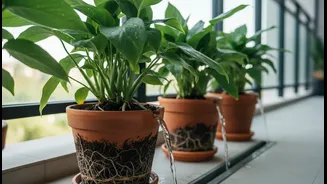
Bringing these layers together is where the magic happens. When combining plants, consider their needs for sunlight, water, and soil. Group plants with similar requirements together. For example, a sun-loving Bougainvillea can be paired with Lemongrass and a drought-tolerant ground cover like Portulaca (Moss Rose). In a shadier spot, you might combine a Money Plant (Epipremnum aureum) climber with ferns and Mondo Grass. Don't plant in straight, rigid rows; instead, arrange plants in staggered clusters or triangular groups for a more natural, flowing look. This method of intermingling plants creates depth and gives the illusion of a much larger, lusher space. Let your mid-layer herbs spill into the foreground, and allow your ground covers to creep around the base of taller plants to soften the edges.