




Why Monsoon Watering is Deceptive
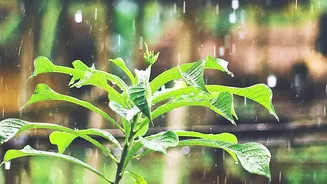
After a scorching summer, it’s natural to assume plants need all the water they can get. But the monsoon season changes everything. The air is heavy with humidity, which means less water evaporates from the soil and leaves. Coupled with overcast skies
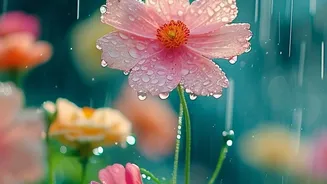
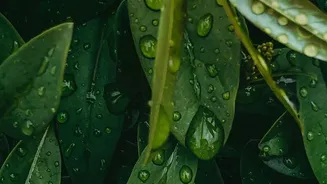
and frequent rain showers, the soil in your pots stays damp for much longer than it does in summer. A pot that dried out in a day during May might now stay moist for three or four days. This combination of high humidity and saturated soil creates a deceptive environment where the risk of drowning your plants is surprisingly high.
The Hidden Dangers of Waterlogged Soil
When soil in a pot remains soggy, it cuts off the oxygen supply to the roots. Without oxygen, roots can't function properly; they stop absorbing nutrients and eventually begin to die and rot. This condition, known as root rot, is one of the most common reasons container plants fail during the monsoon. The constantly damp conditions also create the perfect breeding ground for fungal diseases like powdery mildew, which can quickly spread in the humid, crowded environment of a balcony. What starts as an act of care—providing water—can quickly lead to a stressed, diseased plant.
Signs You're Watering Too Much
Your plants will give you clear signals if they are getting too much water. One of the most common signs is leaves turning yellow, especially if both old and new leaves are affected. Paradoxically, a plant with waterlogged roots will often look wilted, but the leaves will feel soft and limp, not dry and crispy. Other telltale signs include a mushy stem base, brown spots on leaves, stunted growth, or even a foul, rotten odour coming from the soil. If you see mould growing on the soil's surface, it's another clear indicator of excess moisture.
The Golden Rules of Monsoon Watering
The single most important habit to adopt during the monsoon is to check the soil before you water. The easiest way is the 'finger test': insert your finger about one to two inches into the soil. If it feels damp, do not water. Wait until the top layer feels dry to the touch. Water in the morning, which gives the plant foliage time to dry during the day, reducing the risk of fungal infections. Also, don't assume that rain has watered your plants sufficiently. Pots tucked away in a corner or under a wide overhang might get no rain at all and still need manual watering.
Beyond Water: Drainage and Soil Matter
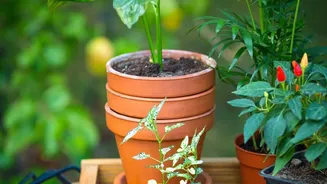
Proper drainage is your best defence against monsoon overwatering. Ensure every pot has drainage holes and that they aren't clogged. Elevating pots on stands or bricks allows excess water to escape freely and improves air circulation. The right soil mix is also crucial. Heavy garden soil holds too much water in containers. Instead, use a light, well-draining potting mix, typically containing cocopeat, compost, and perlite or coarse sand, which allows water to pass through while retaining enough moisture for the roots.
Know Your Plants
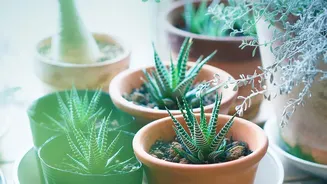
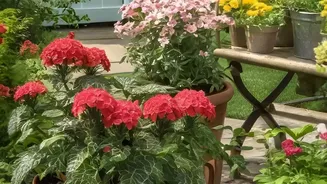
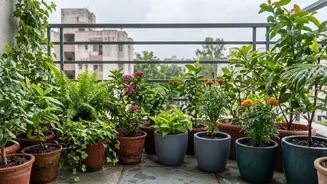
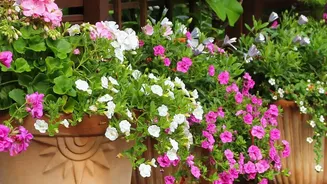
Not all plants react to the monsoon in the same way. Tropical plants that love humidity, like ferns, peace lilies, and money plants, will often thrive. However, succulents, cacti, and jade plants store water in their leaves and are extremely prone to rot from excess moisture; they should be moved to a sheltered spot away from direct rain. Flowering annuals like zinnia and balsam also do well, but they need good airflow to prevent fungal issues. Understanding the specific needs of your plants will help you decide which ones to protect and which to let enjoy the rain.