



An Institution and a Kitchen
Parsi clubs, particularly in cities like Mumbai, are more than just social venues; they are cherished institutions preserving a unique way of life. Established over generations, these clubs became hubs for the community's sporting, cultural, and culinary
pursuits. While Parsi cuisine is famous for its love of meat and eggs, with iconic dishes like Sali Boti and Dhansak, the club kitchens also perfected a repertoire of vegetarian delights. This was born out of both necessity—catering to vegetarian members and observing certain days of abstinence—and the community's remarkable ability to adapt, blending their Persian roots with the flavours of their Indian homeland.
The Rise of 'Vegetable Meat'
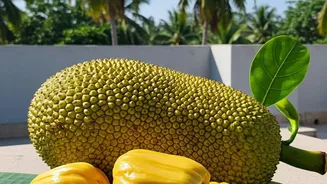
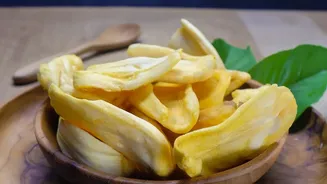
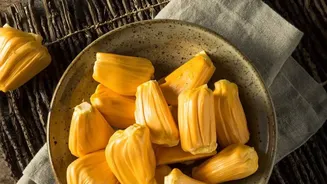
Enter the raw jackfruit, or kathal. With its fibrous, meaty texture, it has long been considered 'vegetable meat' across India. For Parsi chefs, it was the perfect canvas. In a cuisine where dishes are often defined by their protein—mutton, chicken, or fish—kathal offered a brilliant vegetarian stand-in. It could be stewed, fried, or curried, readily absorbing the complex trinity of Parsi flavours: 'Tikhu-Khatu-Mithu' (Spicy-Sour-Sweet). The kathal preparation found in clubs is not just a simple vegetable curry; it’s a thoughtfully constructed dish that often mimics the profile of a non-vegetarian classic, showcasing the community's culinary ingenuity.
The Anatomy of a Parsi Kathal Curry
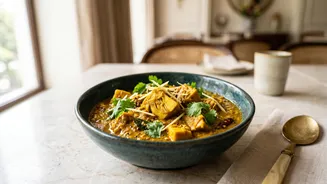
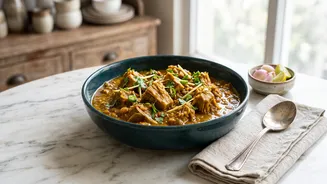
A Parsi club-style kathal curry is a masterclass in balance. The raw jackfruit pieces are typically fried first to give them colour and a firmer texture. The gravy is where the magic happens. It often starts with a base of onions, ginger, and garlic, but quickly diverges into a signature Parsi flavour profile. A distinct sour tang comes from vinegar or tamarind, while a subtle sweetness is introduced with a touch of jaggery. The spice blend is crucial, sometimes involving a house-made 'sambar' or 'dhansak' masala that layers aromatics like cinnamon, cloves, and cardamom. The result is a rich, complex curry where the jackfruit is tender yet retains a satisfying bite, rivaling even the meatiest of kormas.
The Classic Parsi Club Kathal Recipe
While every club and family has its variation, this recipe captures the essence of the dish. First, prepare 500g of raw jackfruit, cut into bite-sized pieces and boiled until just tender, then drained. For the masala paste, grind together a small piece of ginger, 4-5 garlic cloves, 1 teaspoon of cumin seeds, 2 teaspoons of coriander seeds, a few peppercorns, and 2-3 dried red chillies with a little water to form a smooth paste. Heat ghee or oil in a pan, and fry the jackfruit pieces until lightly browned and set them aside. In the same pan, add a bay leaf and 2 sliced onions, frying until golden. Add the ground masala paste and cook until fragrant and the oil separates. Stir in two chopped tomatoes, a teaspoon of jaggery, and a tablespoon of vinegar. Add the fried jackfruit, salt to taste, and about a cup of water. Let it simmer, covered, for 15-20 minutes until the gravy has thickened and the jackfruit is succulent. Garnish with fresh coriander before serving.
A Dish That Tells a Story
The Parsi kathal curry is more than just a recipe; it's a narrative on a plate. It speaks of a community's journey from Persia to India, their absorption of local ingredients, and their genius for making those ingredients distinctly their own. It reflects the inclusive nature of the Parsi club, where a vegetarian dish is given the same care and complexity as its celebrated meaty counterparts. To enjoy this dish is to taste a piece of history—a story of adaptation, creativity, and the enduring comfort of a well-cooked meal that feels like home.