





The Salty Truth About Indian Diets
Salt is a cornerstone of Indian cuisine, enhancing the complex flavours of our favourite dishes. But there can be too much of a good thing. Studies show that the average salt intake in India is around 8 to 10 grams per day, nearly double the World Health
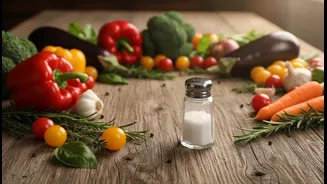
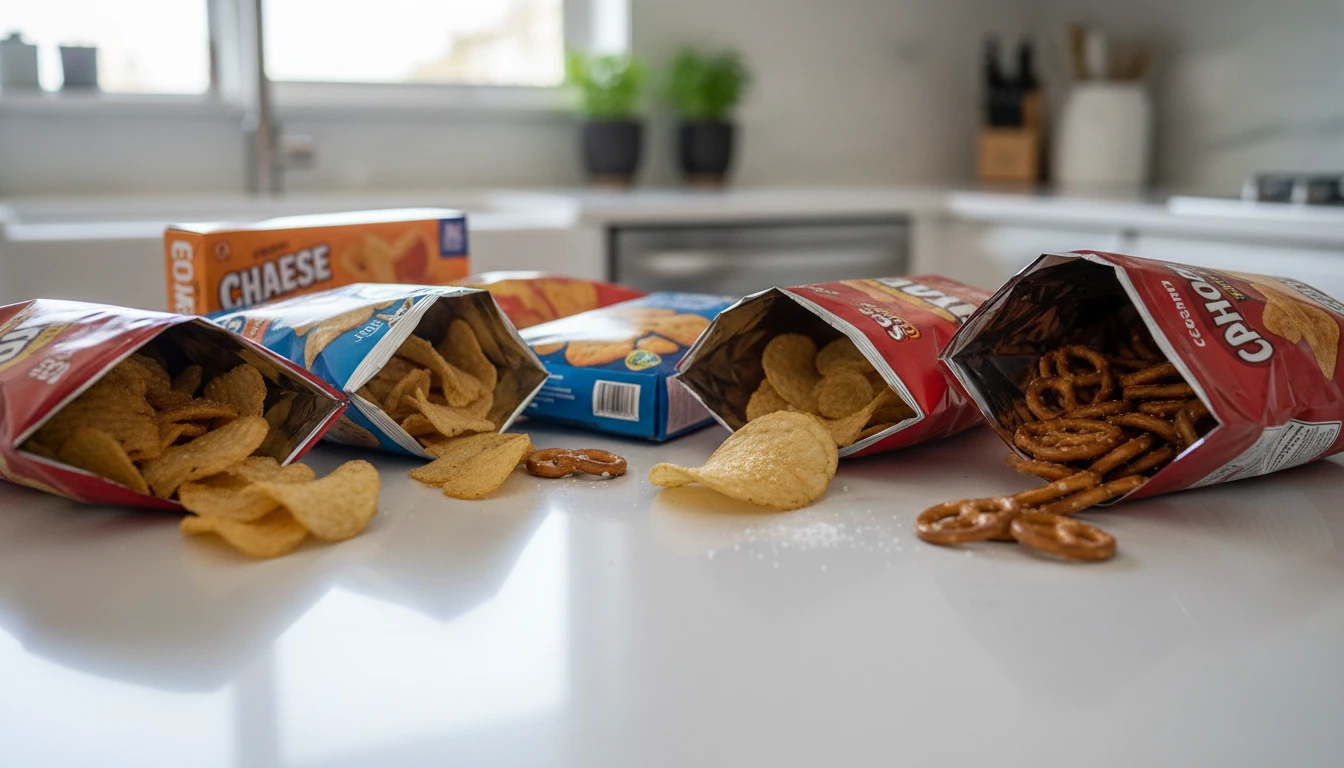
Organization's recommended limit of 5 grams. This high consumption is a leading contributor to health issues like high blood pressure, heart disease, and stroke. Much of this sodium comes not just from the salt shaker, but from hidden sources like pickles, papads, chutneys, and a growing number of processed and packaged foods. The challenge, then, is to reduce our intake without feeling like we're giving up the tastes that define our culinary identity.
You Can Retrain Your Taste Buds
The most common fear when reducing salt is that food will taste bland. However, research proves that our palates are incredibly adaptable. When you consistently consume high-salt foods, your taste buds become less sensitive, meaning you need more salt to get the same flavour hit. The good news is that this process is reversible. Studies have shown that by gradually reducing sodium, your taste buds can be 'retrained' in as little as a few weeks. As your sensitivity to salt increases, you'll begin to notice and appreciate the subtle, natural flavours in food more. Foods you once found normal might even start to taste unpleasantly salty. One study found that participants who went through a gradual reduction program reported a 35% increase in their enjoyment of low-salt meals.
Your Step-by-Step Reduction Plan
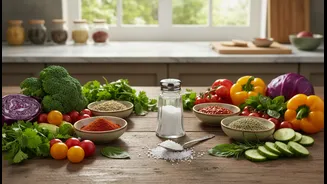
A gradual approach is far more sustainable than a drastic one. Instead of going cold turkey, try a phased reduction. During the first week, consciously use about a quarter less salt than you normally would in your home cooking. Taste your food before automatically reaching for the salt shaker. In the following weeks, start reading labels on packaged foods. You'll be surprised by the high sodium content in bread, biscuits, and sauces. Look for products labelled 'low-sodium' or 'no salt added'. Another simple but effective trick is to rinse canned goods like beans and vegetables, which can wash away up to 40% of the added sodium. By making these small, incremental changes, you give your palate time to adjust without feeling deprived.
Unleash the Power of Indian Spices
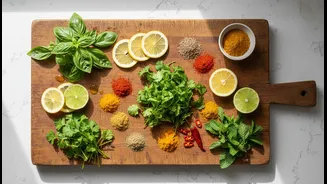
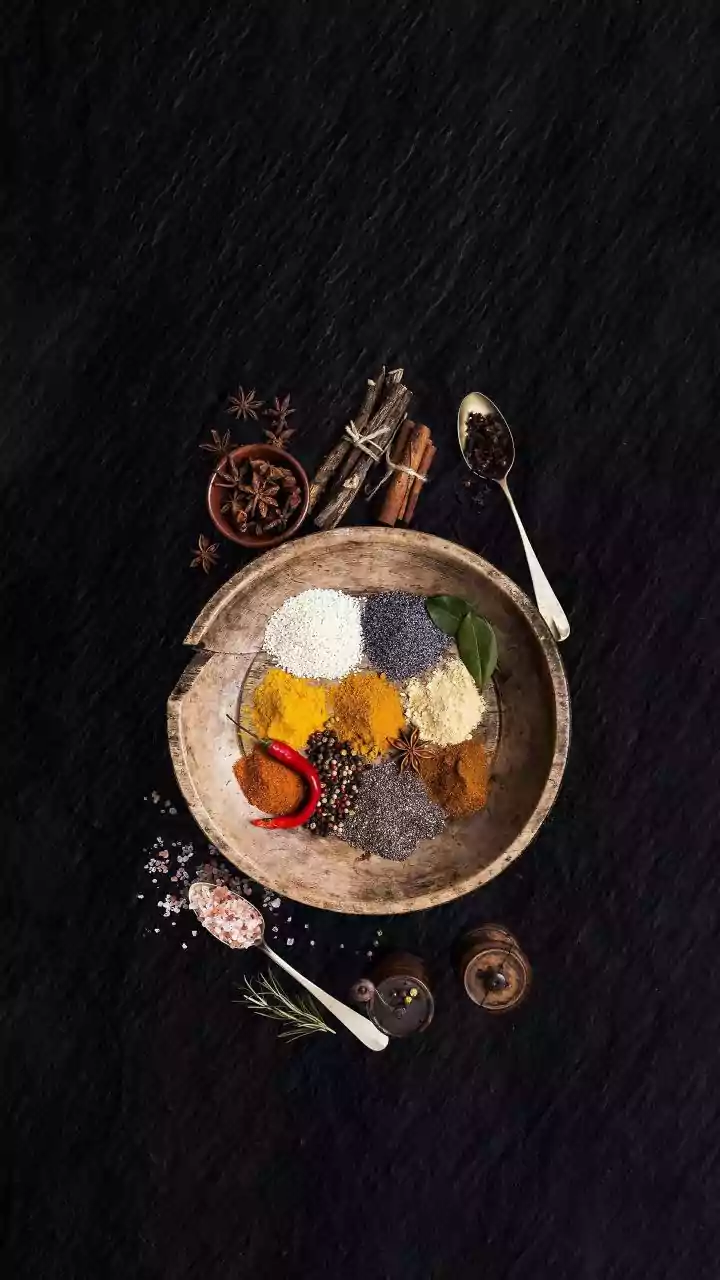
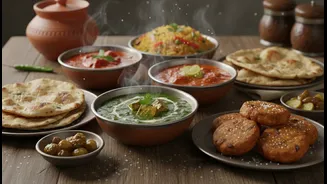
Indian kitchens are already treasure troves of flavour that don't rely on salt. This is your chance to lean into our rich heritage of spices and herbs. Instead of more salt, reach for aromatic spices to build layers of flavour. Freshly ground black pepper, cumin (jeera), coriander (dhania), turmeric (haldi), and cardamom (elaichi) all add depth and complexity. Use tangy ingredients like amchur (dry mango powder), tamarind, or a squeeze of lemon or lime juice to brighten dishes and mimic the flavour-enhancing effect of salt. Pungent aromatics like fresh ginger, garlic, and onions are also fantastic for building a savoury base. Spice blends like garam masala can provide a powerful flavour punch without any salt at all.
Cook Smarter, Not Saltier
Your cooking technique can also make a huge difference. Methods like roasting, grilling, and searing bring out the natural sugars and savoury notes in vegetables and meats, reducing the need for added salt. Steaming is another healthy option that preserves natural taste. 'Blooming' your spices—gently heating them in a little oil before adding other ingredients—can release their full aromatic potential, making your dishes more fragrant and flavourful. Also, consider when you add salt. Adding it at the very end of cooking allows it to sit on the surface of the food, giving you a more immediate salty taste on the tongue with less overall sodium used.