





The Great Green Makeover
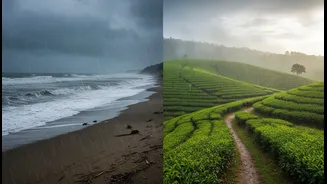
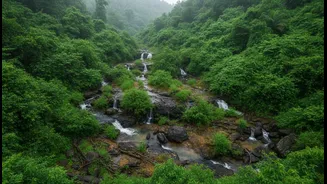
Between June and September, the monsoon breathes new life into Goa's interiors. The landscape, once parched, erupts into a vibrant spectacle of emerald green. The Western Ghats, a UNESCO World Heritage site, become shrouded in mist, while terraced paddy
fields shimmer under the rain, creating scenes strikingly similar to Bali's famous rice terraces. This seasonal makeover turns the region into a paradise for nature lovers, where the air is thick with the earthy scent of wet soil and the sounds of flowing streams create a soothing symphony. It’s a time when nature takes centre stage, revealing a tranquil side of Goa far removed from the bustling tourist hubs.
A Symphony of Waterfalls
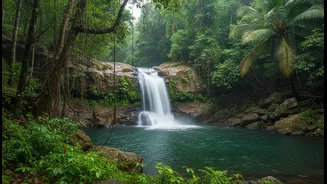
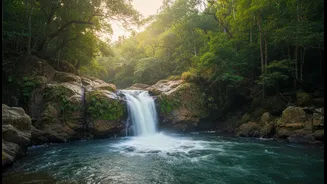
The monsoon's most dramatic gift is the reawakening of countless waterfalls. Iconic cascades like Dudhsagar, one of India's tallest waterfalls, swell into a thundering spectacle often described as a "Sea of Milk." But the magic also lies in lesser-known gems nestled within wildlife sanctuaries. The trek to Tambdi Surla waterfall, located near a 12th-century temple inside Bhagwan Mahavir National Park, takes you through dense, dripping forests. Similarly, the Netravali Wildlife Sanctuary offers a peaceful trail to a pristine waterfall, where you might spot exotic butterflies and birds along the way. These treks, ranging from easy walks to more challenging hikes, are the main draw for adventurers looking to experience the raw beauty of the Goan wild.
The Rise of Premium Eco-Stays
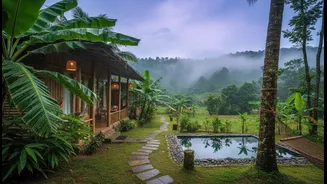
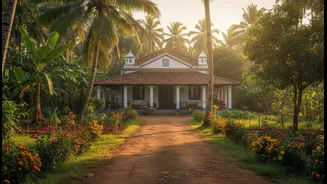
Catering to travellers seeking comfort amid nature, a new breed of premium, eco-conscious resorts and farm stays has emerged. These aren't just places to sleep; they are immersive experiences. Properties like Nature's Nest and Dudhsagar Plantation Farmstay offer cottages built with local materials that blend into the lush surroundings. Many focus on farm-to-table dining, using organic produce from their own gardens and nearby villages. For those seeking barefoot luxury, exclusive eco-resorts like Cabo Serai provide private cottages and tents with panoramic views of the forest and sea, along with wellness programs like yoga and Ayurveda. This new model of tourism, often marketed as 'Goa Beyond Beaches', emphasizes sustainability, supports local communities, and allows guests to connect deeply with the environment.
Immersing in Hinterland Culture
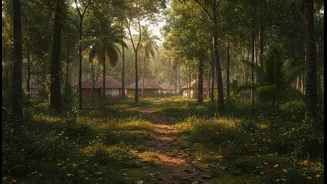
The allure of the hinterlands extends beyond natural landscapes to a slower, more authentic way of life. The monsoon is an ideal time for guided walks through sleepy villages like Aldona and Divar Island, where life moves at a gentle pace. Spice plantations such as Sahakari Spice Farm offer sensory tours, allowing visitors to learn about the cultivation of black pepper, cardamom, and cinnamon. This focus on village and regenerative tourism helps ensure economic benefits reach rural communities. It offers a chance to engage with Goan culture beyond the coast, from savouring traditional meals to simply enjoying the quiet, rain-washed charm of a village road.
Planning Your Monsoon Escape
A trip to Goa’s hinterlands during the monsoon is an increasingly popular choice, as it is considered the off-season, meaning fewer crowds and often lower prices for accommodations. When packing, waterproof gear and sturdy, slip-resistant footwear are essential for trekking. While some waterfalls are easily accessible, hiring a local guide is recommended for navigating denser forest trails, especially during peak rains. Several eco-tourism agencies and specialized operators, like Soul Travelling and Goa Sathi, now offer curated treks and experiences that prioritize safety and environmental responsibility, ensuring you can explore these hidden gems without causing harm. This shift towards organized and responsible exploration helps manage the growing tourist interest and protect the fragile ecosystems of the Western Ghats.