



A Comforting Broth for Colds
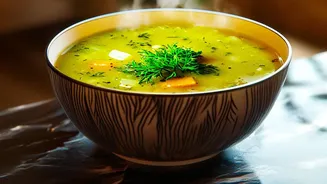
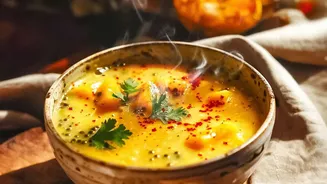
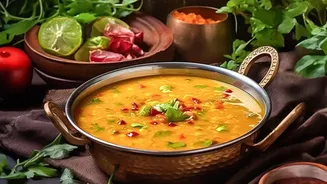
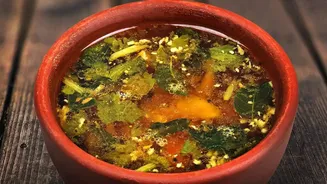
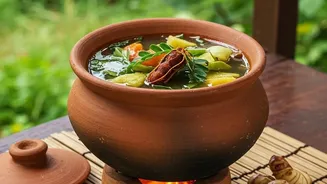
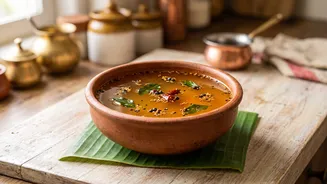
Pepper rasam, or 'milagu rasam', is a thin, spicy broth that holds a special place in South Indian culinary tradition as a go-to food for recovery and comfort. Often compared to how khichdi is used in North India, rasam is the first thing many reach for when
feeling unwell, thanks to its light, hydrating, and nourishing nature. Served either as a soup to be sipped or mixed with steamed rice, its warmth is believed to provide relief from symptoms like a sore throat and congestion. While not a medical cure, this traditional dish provides significant comfort, hydration, and gentle nourishment when the body needs it most.
The Power of Pantry Spices
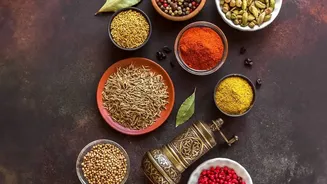
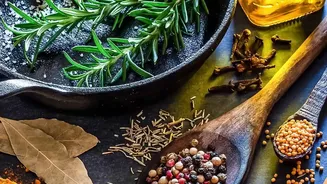
The magic of pepper rasam lies in its simple yet potent ingredients, most of which are staples in an Indian pantry. Black pepper, the star of the dish, is traditionally known to help with coughs and colds. It contains piperine, a compound that gives it its signature heat. Cumin seeds are another key ingredient, valued for aiding digestion. Garlic, often pounded into the spice mix, is traditionally considered a natural antibiotic that can help fight throat infections. Turmeric, with its active compound curcumin, is celebrated for its anti-inflammatory properties. The combination of these spices creates a synergy that defines both the flavour and the traditional function of the rasam.
Your Simple Pepper Rasam Recipe
This recipe uses basic ingredients and can be prepared in under 30 minutes. You won't need any special rasam powder. For the spice paste, you will need 1 to 2 tablespoons of whole black peppercorns, 1 tablespoon of cumin seeds, and 4 to 6 cloves of garlic. For the rasam base, you will need a lime-sized ball of tamarind soaked in warm water, 1-2 ripe tomatoes, a pinch of turmeric powder, asafoetida (hing), and salt. For the final tempering (tadka), have 1 teaspoon of ghee or oil, ½ teaspoon of mustard seeds, a few curry leaves, and a dried red chilli on hand.
Step-by-Step Preparation
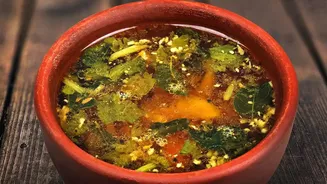
First, create the spice mix. In a mortar and pestle, coarsely crush the black peppercorns, cumin seeds, and garlic cloves. Set this aside. Next, prepare the base. Squeeze the juice from the soaked tamarind, discarding the pulp. In a pot, combine the tamarind water with the chopped tomatoes, turmeric powder, asafoetida, and salt. Let this mixture simmer for about 8-10 minutes until the raw smell of tamarind disappears. Now, add the crushed spice mix to the pot along with 3-4 cups of water. Bring the rasam to a gentle simmer, just until a froth appears on the surface, then turn off the heat immediately. Avoid hard boiling, as it can diminish the aroma of the spices. Finally, prepare the tempering. Heat ghee or oil in a small pan, add the mustard seeds and let them splutter. Add the dried red chilli and curry leaves, fry for a few seconds, and pour this sizzling mixture into the rasam. Garnish with fresh coriander leaves and let it rest for a few minutes before serving.
Serving and Customisation
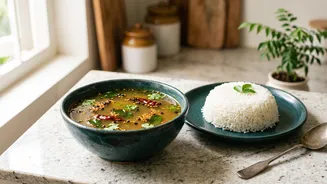
Pepper rasam is wonderfully versatile. It can be served piping hot in a tumbler as a standalone soup, which is particularly soothing for a sore throat. Alternatively, it can be ladled over hot, fluffy rice, often as the first course of a South Indian meal. You can adjust the spice level by increasing or decreasing the amount of black pepper. Some variations also include a small amount of cooked toor dal to give the rasam a slightly thicker consistency, though it's equally delicious without it. The key is to use freshly crushed spices, as this provides the most authentic and aromatic flavour.