


Start with Smarter Floors
Flooring is your home's first line of defense against monsoon dampness. Heavy rains mean muddy footwear and a constant battle to keep floors clean and dry. Materials like natural wood or porous stone can absorb moisture, leading to warping, damage, or microbial
growth. This is where easy-care surfaces shine. Vitrified, porcelain, or ceramic tiles are excellent choices. Their non-porous nature means they don't absorb water, making them incredibly easy to wipe clean and resistant to mould. For those who love the look of wood, options like vinyl or waterproof laminate flooring offer the same aesthetic without the risk of water damage. These materials are durable, slip-resistant when chosen with a matte or textured finish, and ideal for high-traffic areas, ensuring your home stays clean, safe, and stylish.
Win the Battle with Your Walls
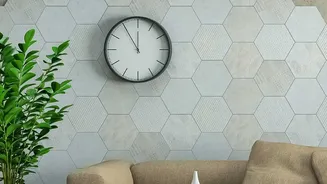
Damp, peeling walls are a common sight in many homes during the monsoon. High humidity can cause paint to flake and wallpaper to bubble, creating a shabby look and promoting fungal growth. The solution lies in choosing moisture-resistant wall treatments. High-quality waterproof paints, often with anti-fungal properties, create a protective barrier that prevents seepage and odour. For a more decorative approach, consider PVC, SPC (Stone Plastic Composite), or WPC (Wood Plastic Composite) wall panels. These modern solutions are completely waterproof, easy to install, and come in various finishes, including elegant faux marble and wood textures. Vinyl-coated wallpapers are another practical option, as they repel moisture and can be wiped clean, making them perfect for kitchens, bathrooms, and any area prone to dampness.
Choose Furniture That Breathes
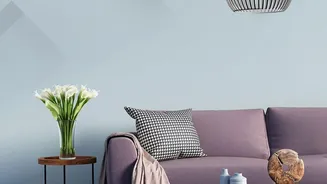
Heavy, upholstered furniture can act like a sponge in humid weather, trapping moisture and developing a persistent musty smell. The monsoon is the perfect time to favour furniture made from materials that can withstand damp conditions. Metals like powder-coated aluminium are a fantastic choice as they are lightweight and inherently rust-resistant. Teak, known for its natural oils, is highly water-repellent and resists rot and warping, making it a durable option. Other smart choices include synthetic resin or all-weather wicker, which are designed to handle moisture with minimal maintenance. It’s also wise to pull furniture a few inches away from walls to improve air circulation and prevent moisture from getting trapped.
Swap Heavy Textiles for Lighter Fabrics
Textiles are often the first victims of monsoon humidity. Heavy curtains, thick rugs, and velvet cushion covers absorb ambient moisture, making rooms feel damp and stuffy. A seasonal swap is a simple yet effective strategy. Replace heavy drapes with lightweight, quick-drying fabrics like light cotton, linen, or sheers. These materials don't hold onto moisture and allow for better airflow, which helps keep humidity in check. Polyester blends are also a practical choice for curtains and upholstery as they repel water and dry quickly. Pack away thick wool or jute carpets and opt for smaller, washable anti-skid rugs in key areas. This small change will make your home feel significantly fresher and airier.