



The Humble Hero: What is Sattu?
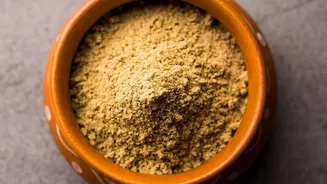
For generations, sattu has been a staple in Indian households, particularly in states like Bihar, Uttar Pradesh, and West Bengal. At its core, sattu is a flour made from roasted Bengal gram (chana). This roasting process is key; it not only imparts a unique
nutty flavour but also enhances the nutritional value and digestibility of the gram. Traditionally consumed as a cooling sharbat with salt and spices or kneaded into dough for littis, this unassuming superfood has long been cherished for its ability to provide sustained energy, making it a favourite among farmers and labourers. It's this very foundation of high performance and natural goodness that has paved the way for its current revival in a brand new avatar.
A Nutritional Powerhouse
The reason sattu is capturing the attention of the fitness community lies in its impressive nutritional profile. A 100-gram serving packs approximately 20-25 grams of plant-based protein, crucial for muscle repair and growth. It's also incredibly rich in dietary fibre, which aids digestion, promotes a feeling of fullness, and helps in managing weight by preventing unnecessary snacking. Furthermore, sattu has a low glycemic index, meaning it releases energy slowly and prevents the sharp blood sugar spikes and subsequent crashes associated with many breakfast foods. It’s also loaded with essential minerals like iron, magnesium, and calcium, supporting everything from bone health to combating fatigue.
From Traditional Drink to Trendy Bowl
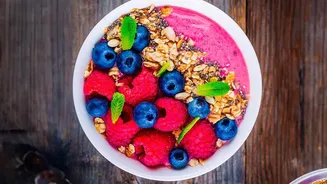
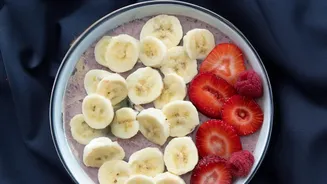
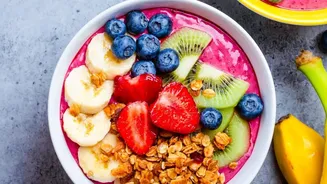
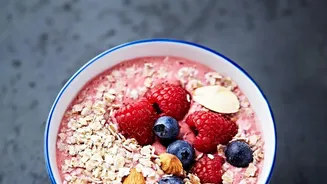
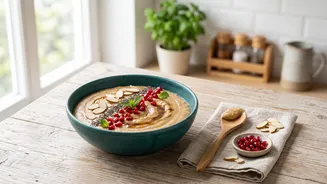
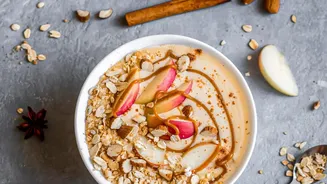
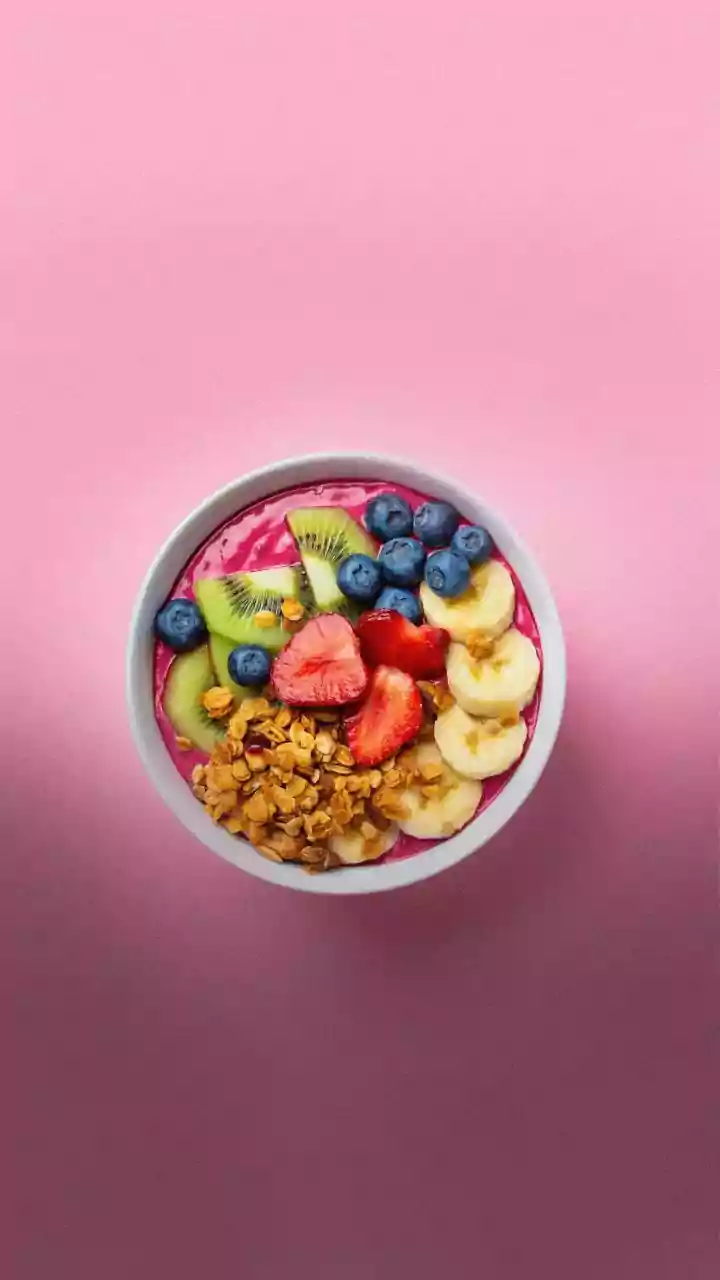
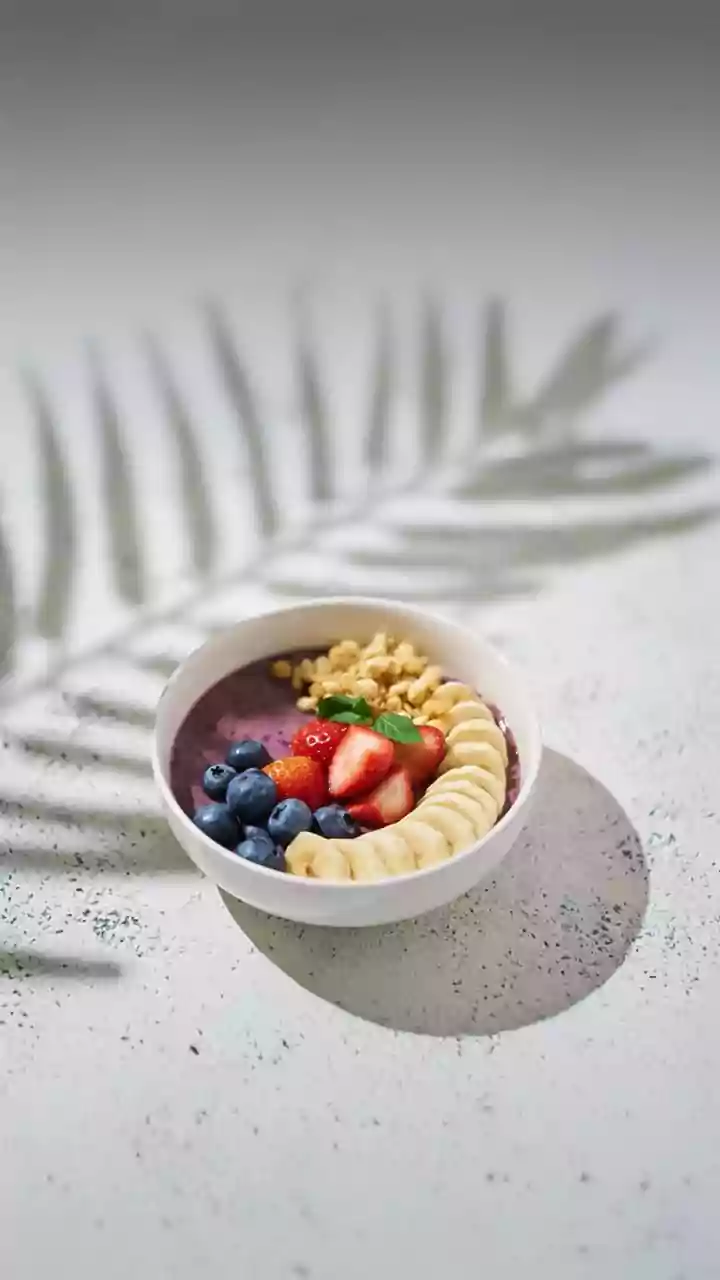
While the classic sattu sharbat remains a beloved summer cooler, the smoothie bowl reinvents the ingredient for a modern palate. Blending sattu with milk (dairy or plant-based), fruits like banana, and natural sweeteners creates a thick, creamy, and spoonable meal. This format offers a more substantial and satiating breakfast experience compared to a simple drink. The real magic of the bowl format is the opportunity for toppings, adding layers of texture, flavour, and nutrition. Think crunchy nuts, nutrient-dense chia or pumpkin seeds, and fresh fruit. This transforms a simple breakfast into a customisable and visually appealing meal that feels both indulgent and incredibly healthy.
Why It's a Fitness Favourite
For fitness enthusiasts, the sattu smoothie bowl represents a perfect synergy of benefits. Firstly, it offers a clean, whole-food alternative to highly processed protein powders. While whey protein offers a higher concentration of protein per scoop, sattu delivers a solid dose along with fibre and micronutrients that supplements lack. Secondly, it is remarkably budget-friendly. Compared to imported whey protein, which can be significantly more expensive per gram of protein, sattu is an economical choice for meeting daily protein goals without breaking the bank. Its combination of complex carbs and protein provides sustained energy for workouts and supports post-exercise muscle recovery, making it an ideal meal to start an active day.
How to Make Your Own Sattu Smoothie Bowl
Creating your own sattu smoothie bowl is simple. The goal is to achieve a thick, spoonable consistency. For a single serving, start by blending these core ingredients until smooth: 3-4 tablespoons of sattu flour 150-200ml of milk or a plant-based alternative like almond or soy milk 1 medium-sized ripe banana for natural sweetness and creaminess 1-2 soft dates (pitted) or a teaspoon of jaggery powder for extra sweetness, if desired Pour the thick smoothie into a bowl. Now for the fun part: the toppings. Here are some ideas to get you started: For Crunch: Add a sprinkle of chopped almonds, walnuts, or pumpkin seeds. For Fibre and Healthy Fats: Top with a teaspoon of pre-soaked chia seeds or flax seeds. * For Freshness: Garnish with fresh pomegranate arils, sliced strawberries, or other seasonal fruits.