


More Than Just a Fancy Garnish
First, let's clear up what microgreens actually are. They aren't sprouts (which are germinated seeds consumed whole, including the root and seed) nor are they simply 'baby greens' (which are just immature versions of lettuce, spinach, and kale). Microgreens
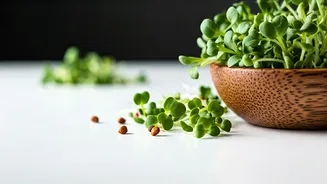
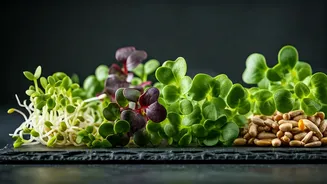
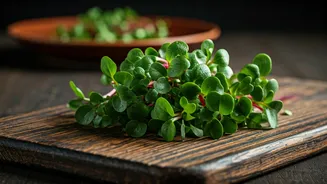
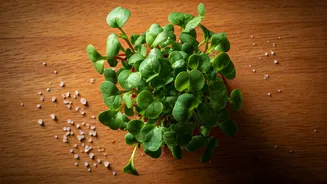
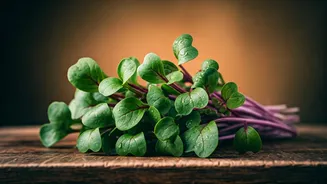
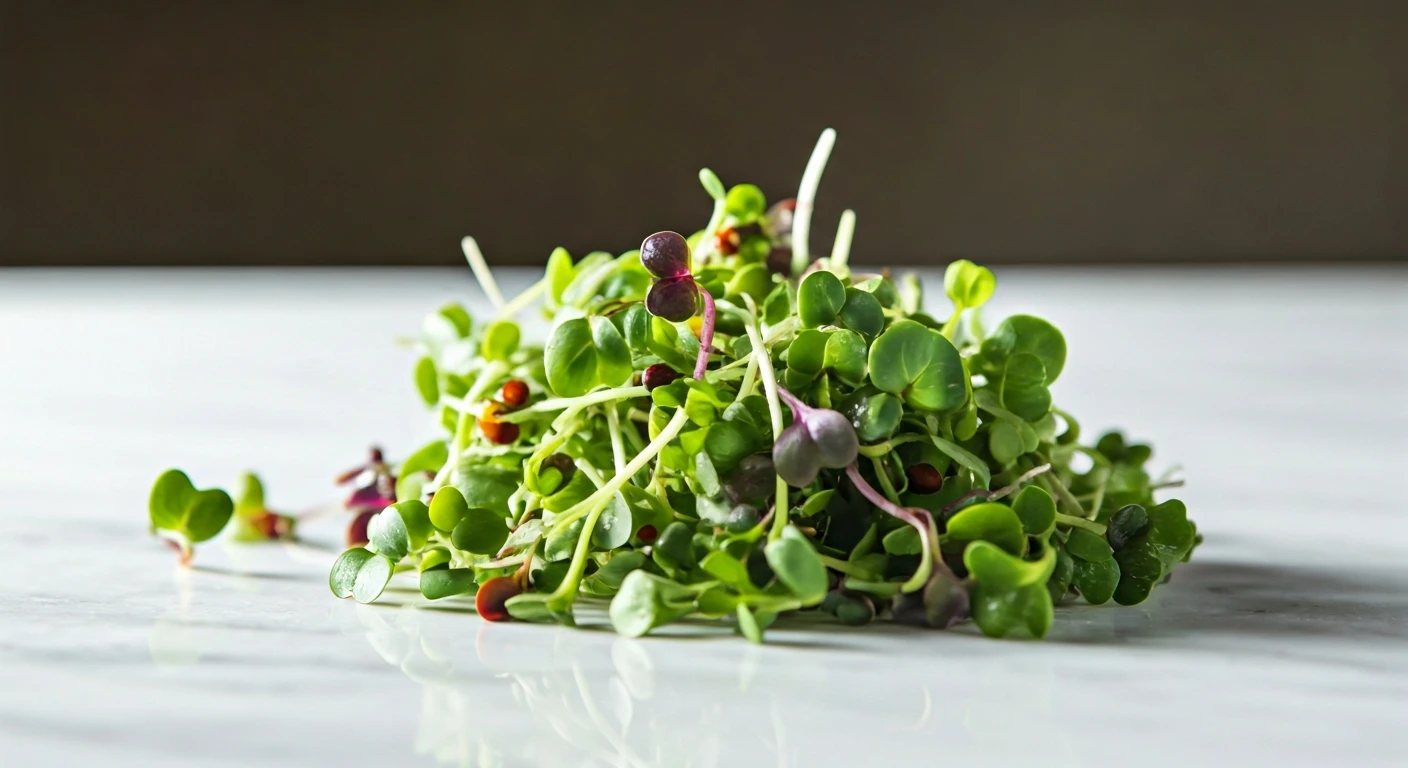
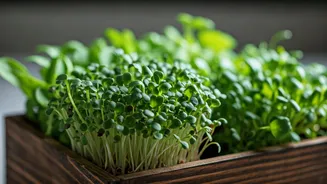
are the seedlings of edible vegetables and herbs, harvested just after the first true leaves have developed. At this stage, typically 7 to 21 days after germination, the plant is at a unique point in its life cycle. It has moved past the sprout stage but hasn't yet matured. Common varieties include radish, broccoli, cilantro, arugula, and sunflower, each offering a concentrated version of the flavor of its adult counterpart—from spicy to nutty to earthy. This delicate life stage is what makes them both visually appealing and nutritionally distinct.
The Nutrient-Dense Shortcut
The primary driver of the microgreen trend is nutrition. While they may be small, they are mighty. Research, including studies published in the Journal of Agricultural and Food Chemistry, has shown that microgreens can contain significantly higher concentrations of vitamins, minerals, and antioxidants than their mature counterparts. For example, red cabbage microgreens have been found to possess much higher levels of Vitamin C and Vitamin E compared to a full-grown head of cabbage. Why? At this early stage, the plant has all the nutrients it needs for its initial growth spurt packed into a tiny package. For health-conscious individuals, especially younger consumers looking for efficient and effective ways to improve their diet, microgreens represent a shortcut to a nutrient boost. It’s an easy way to elevate the nutritional profile of any meal without adding significant calories or volume.
An Instagram-Ready Superfood
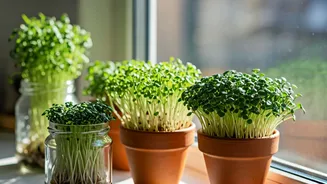
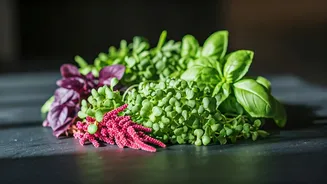
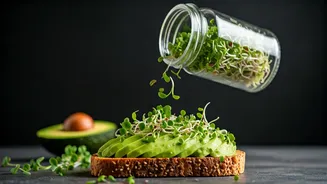
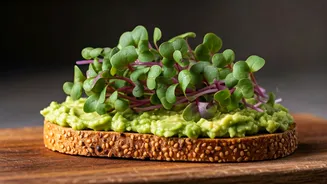
You can't disconnect the rise of microgreens from the visual culture of our time. Their vibrant colors—deep purples, bright pinks, and vivid greens—and delicate textures make them incredibly photogenic. They are, in essence, the perfect 'foodie' ingredient for Instagram and TikTok. A sprinkle of pink radish microgreens on avocado toast isn't just for flavor; it's for the 'gram. This visual appeal has been leveraged by both high-end chefs and home cooks, turning a simple meal into something that looks special and thoughtfully prepared. For Gen Z and Millennials, who grew up documenting their lives online, food that is both healthy and beautiful is a winning combination. Furthermore, the trend taps into a growing interest in self-sufficiency and urban gardening. Microgreen growing kits are affordable, require minimal space, and offer the satisfaction of harvesting your own food, even in a small city apartment.
Beyond the Restaurant Plate
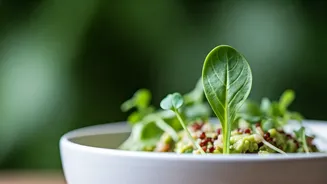
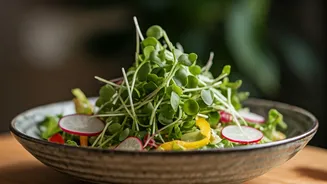
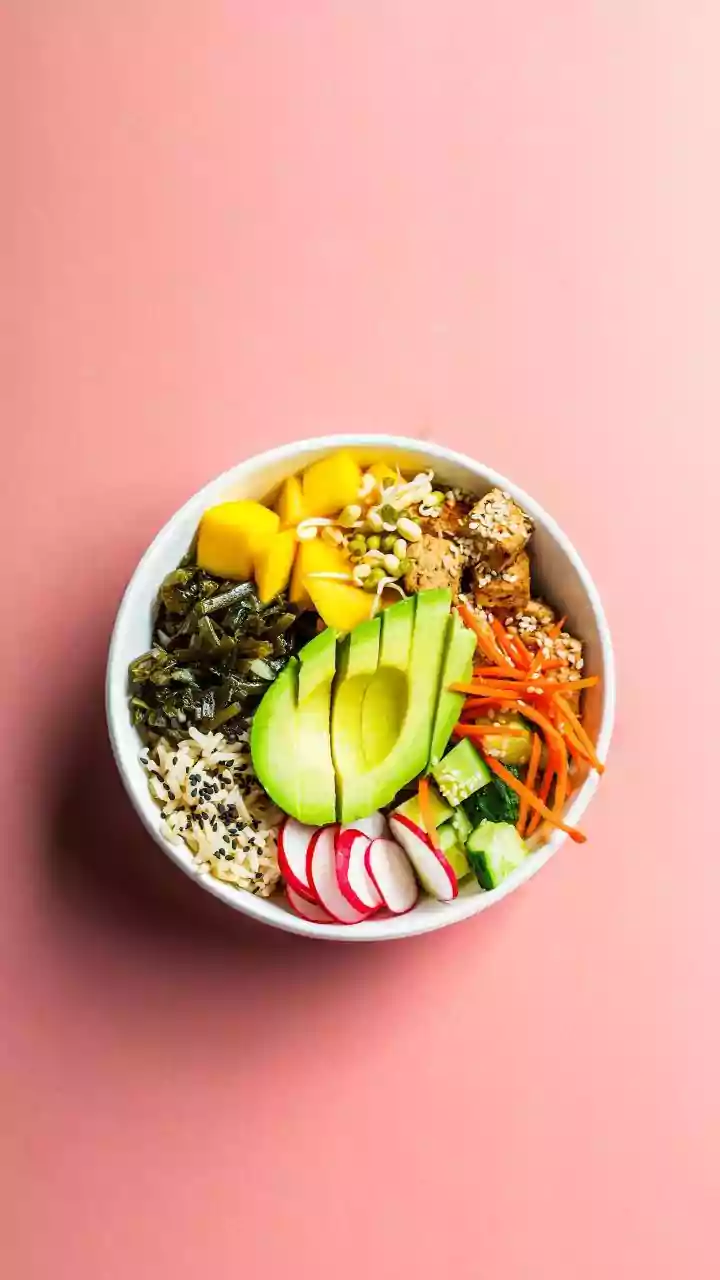
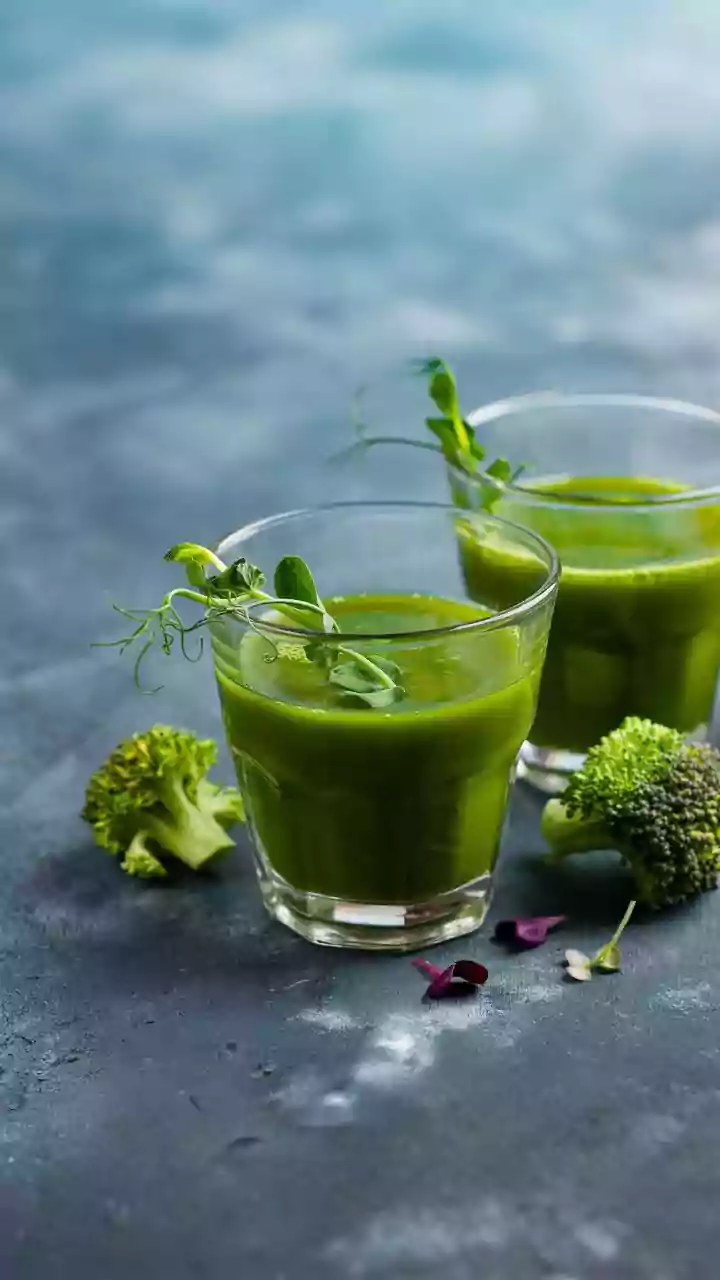
While they gained fame in fine dining, the beauty of microgreens is their versatility and ease of use at home. You don't need to be a professional chef to incorporate them into your daily routine. The simplest way is to treat them as a finishing element. Toss a handful into your salad for an extra layer of flavor and texture. Scatter them over scrambled eggs, omelets, or soups right before serving to add a fresh, peppery kick. They are a fantastic addition to sandwiches and wraps, providing a crunch and flavor that lettuce often lacks. You can even blend them into smoothies for a nutrient boost that you won't even taste. The key is to add them raw and at the last minute, as their delicate structure doesn't hold up well to cooking, which can also diminish their nutritional content.