





The Counter-Intuitive Charm of Monsoon Travel
For most, the idea of a vacation during the Indian monsoon involves cancelled plans and dreary days spent indoors. But for a select group, the rainy season is the main attraction. These are the slow-travel enthusiasts, travellers who prioritize deep immersion
over a packed itinerary. They are part of a growing trend in India, where the goal is no longer to see more places, but to experience one place more deeply. Instead of rushing between sights, they seek connection, tranquility, and a chance to experience a destination in its most authentic state—qualities the monsoon delivers in abundance. Fewer tourists mean more peace, and the rain itself transforms the landscape into a lush, green paradise, offering a different, more profound kind of beauty.
A Green Makeover in Wayanad and Coorg
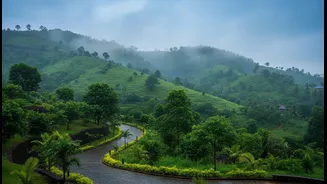
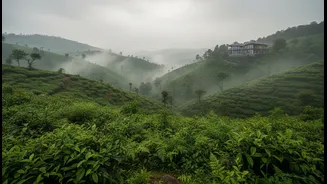
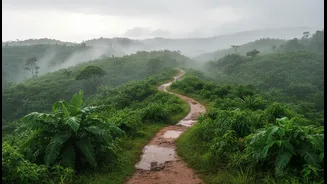
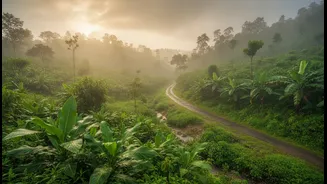
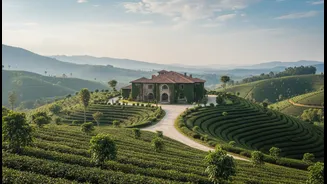
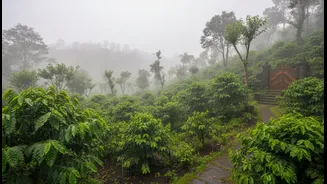
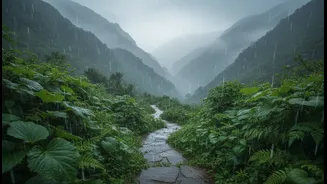
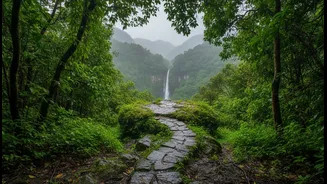
There are few places that embrace the monsoon as dramatically as Wayanad in Kerala and Coorg in Karnataka. When the rains arrive, these regions undergo a spectacular transformation. The coffee and spice plantations, which dominate the hillsides, turn a vibrant, glossy green, glistening under the frequent showers. Mist hangs low over the valleys, often obscuring the hills and creating a sense of being enveloped by the clouds. Waterfalls, which are mere trickles in the dry season, swell into powerful, roaring cascades, with Abbey and Iruppu Falls in Coorg and Soochipara in Wayanad becoming major attractions. The air is filled with the scent of wet earth and fresh foliage, and the constant, gentle sound of rain becomes a soothing soundtrack to the day. This sensory experience is at the heart of the monsoon's appeal.
The Slow Travel Philosophy in Practice
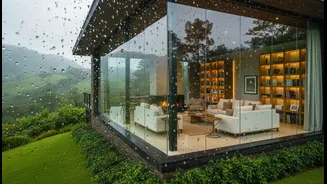
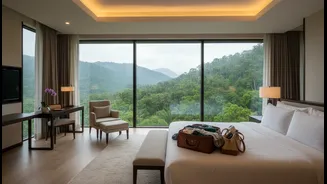
Monsoon weather naturally encourages a slower pace of life, which aligns perfectly with the slow-travel ethos. A rainy day is not a spoiled day; it is an invitation to unwind. The agenda shifts from active sightseeing to quiet enjoyment. Days are spent reading a book by a large window overlooking a rain-lashed forest, sipping endless cups of locally grown coffee or tea, and indulging in long conversations. Activities become simpler and more mindful: a short walk during a break in the rain, a drive through misty roads, or simply watching the clouds drift across the hills. This intentional slowing down helps travellers disconnect from their fast-paced urban lives and reconnect with nature and themselves.
Why an Estate Villa is the Perfect Base
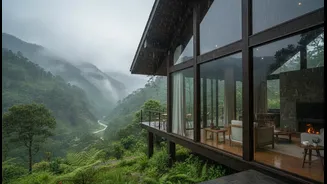
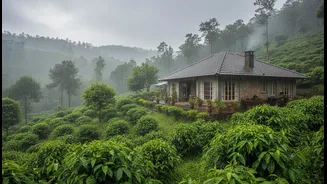
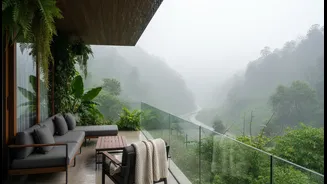
The choice of accommodation is crucial, and the estate villa or boutique homestay is central to the monsoon slow-travel experience. Unlike conventional hotels, these properties are often set within sprawling coffee, tea, or spice plantations, offering privacy and a direct connection to the natural surroundings. Waking up to the sight of a misty coffee estate from your balcony is a key part of the charm. These stays offer a sense of home, with many serving fresh, locally-sourced meals. The solitude and space provided by a private villa allow travellers to fully immerse themselves in the tranquil atmosphere, making the accommodation a destination in itself rather than just a place to sleep.
The Practical Perk: Significant Savings
While the experience is the primary driver, the financial benefits are a significant bonus. Monsoon is the off-season in Wayanad and Coorg, and accommodation rates drop significantly. Luxury and boutique estate villas that are prohibitively expensive during the peak winter season (December-January) can become surprisingly affordable, with discounts ranging from 30% to 50%. For a slow traveller, this is not just about saving money; it is about buying time. The lower cost allows for longer stays, transforming a hurried weekend getaway into a week-long immersive retreat without stretching the budget. This combination of luxury, experience, and value is what makes the monsoon a well-guarded secret among those in the know.