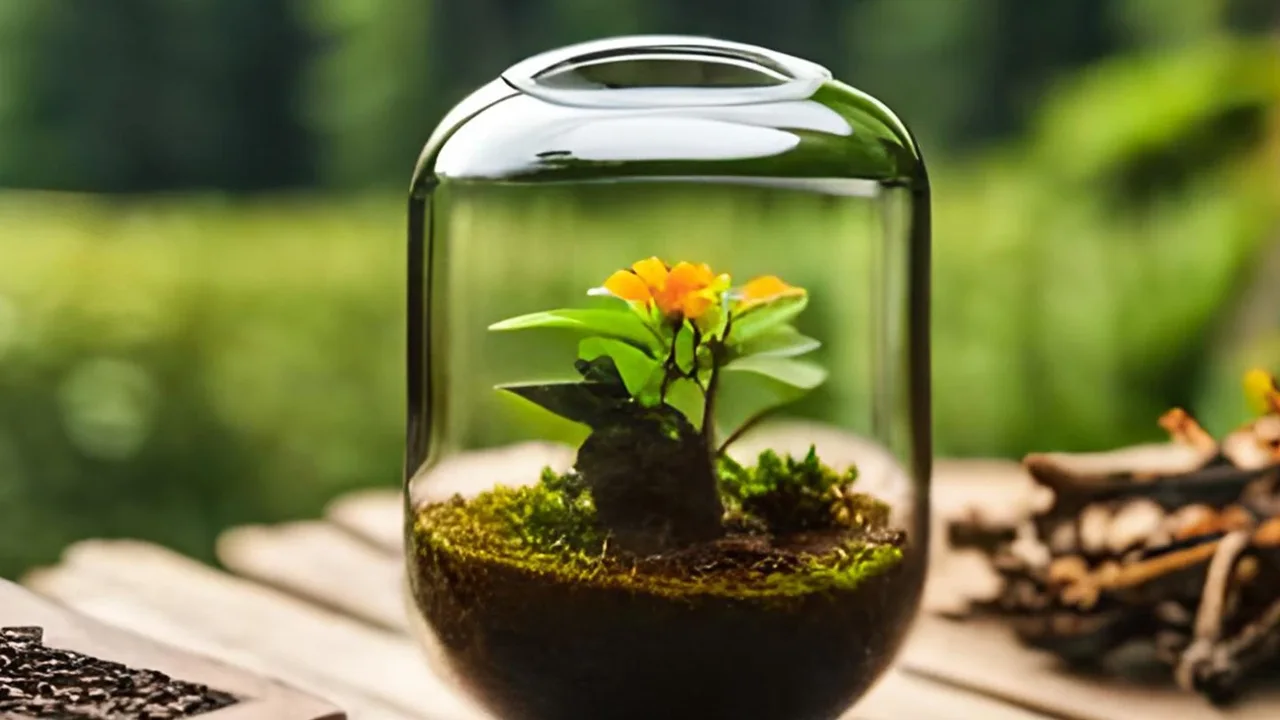

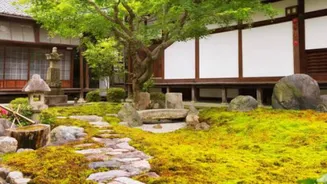
Bringing the serene, green essence of a forest floor into your home is easier than you think. An indoor moss garden offers a lush, low-maintenance way to incorporate nature into your decor, creating a peaceful, miniature landscape.
The Allure of a Miniature Green World
An indoor moss garden
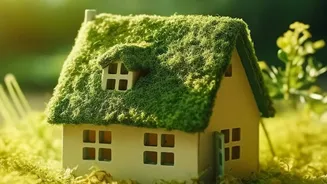
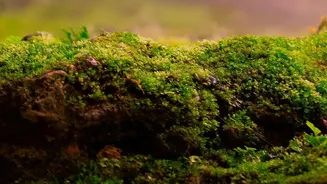
is more than just a houseplant; it's a living piece of art. These miniature ecosystems tap into the principles of biophilic design, which connects our indoor spaces to nature to improve well-being, reduce stress, and boost mood. Unlike many traditional houseplants, mosses thrive in shady, humid conditions, making them perfect for spots that don't get direct sunlight. Their appeal lies in their simplicity and the tranquil, woodland atmosphere they create. Whether in a sleek glass terrarium or a rustic ceramic bowl, a moss garden provides a touch of enduring green elegance with minimal upkeep.
Choosing the Perfect Container
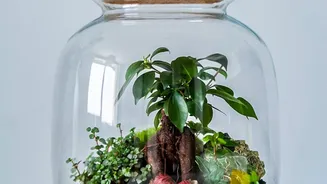
The container you choose is the foundation of your garden's aesthetic and function. Glass terrariums, whether open or closed, are popular choices because they trap humidity, which moss loves. A closed terrarium creates a self-sustaining environment that recycles moisture, requiring less frequent watering. However, it will need occasional ventilation to prevent mold. Open containers like shallow bowls, wide dishes, or even repurposed items like an old fire pit bowl offer better airflow but will need more frequent misting to stay damp. Ensure any container has a layer for drainage, especially if it doesn’t have holes.
Selecting Your Moss Species
Different mosses offer different textures and growth habits. For a carpet-like effect, Sheet Moss (Hypnum) is an excellent choice as it grows in wide, flat mats. For creating mounds and rolling hills, Cushion Moss (Leucobryum) provides dense, pillow-like clumps. Mood Moss (Dicranum) offers a wavier, more dynamic look, resembling windswept fields. For a delicate, feathery texture, Fern Moss (Thuidium) thrives in high humidity and adds intricate detail. Many suppliers offer terrarium-specific mixes, combining a few types for a more varied and naturalistic landscape. For a first-time project, Sheet Moss is often considered the most forgiving.
Building Your Garden Layer by Layer
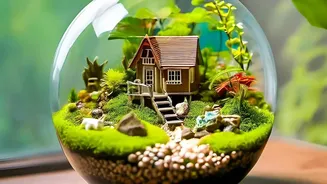
Proper setup is key to a healthy moss garden. Start with a base layer of small pebbles or gravel for drainage, which prevents water from pooling and causing rot. On top of the gravel, add a thin layer of activated charcoal. This is a crucial step, especially in closed terrariums, as it helps to filter impurities and keep the environment fresh. The next layer is your substrate. Mosses don't have true roots and don't need nutrient-rich potting soil. A substrate that is slightly acidic and retains moisture, such as a mix of peat moss and coconut coir, works well. Lightly moisten the substrate before arranging your moss on top.
Design and Ongoing Care
Once your layers are in place, you can start designing. Gently press the moss onto the substrate, but don't bury it. You can create undulating hills or a flat forest floor. Many people add decorative elements like interesting stones, small pieces of driftwood, or miniature figurines to enhance the scene. Once assembled, care is simple. Place your garden in a spot with bright, indirect light; direct sun will scorch and dry out the moss. The most important rule is to keep it moist, but not waterlogged. Mist the surface regularly, ideally with distilled water, rainwater, or filtered water, as tap water can contain minerals and chlorine that may harm the moss over time. If your moss looks pale or dry, a good misting will usually revive it.