







Your Body on a Chair
Prolonged sitting has become a default for many professionals, but our bodies were not designed for it. When you sit for hours, your muscles and joints enter a state of inactivity. The hip flexors shorten and tighten, the large gluteal muscles weaken,
and the spine often slumps into a posture that puts strain on ligaments and discs. This immobility reduces blood flow and the circulation of synovial fluid, the natural lubricant in our joints. Over time, this leads to that familiar feeling of stiffness in the hips, knees, and lower back when you finally stand up. It’s not just a fleeting discomfort; this pattern can contribute to chronic pain, reduced range of motion, and even premature joint degeneration.
The Power of the 'Activity Snack'
The solution isn't necessarily a single, intense workout at the end of the day. In fact, research increasingly points to a more effective strategy: brief but frequent 'activity snacks'. These are short bursts of movement, lasting anywhere from one to five minutes, spread throughout the day. The concept is simple: by regularly interrupting long periods of sitting, you prevent your body from 'shutting down'. These micro-breaks reactivate muscles, restore blood flow, and keep joints lubricated, directly counteracting the negative effects of a sedentary posture. Think of it not as exercise, but as hitting a reset button for your body every hour.
Finding the Right Rhythm
So, how often should you take an activity break? Studies suggest that different frequencies offer different benefits. A large-scale study published in the British Journal of Sports Medicine found that 5-minute walking breaks every hour offered the best balance of feasibility and effectiveness. Participants reported less fatigue and a better mood without any drop in work performance. Other research has shown that walking for just five minutes every half-hour can significantly lower blood pressure and blood sugar spikes after a meal. Even one minute of walking every hour can produce measurable benefits. The key is consistency. For those just starting, aiming for a five-minute break every 60 minutes is a manageable and highly effective goal.
What Kind of Movement Counts?
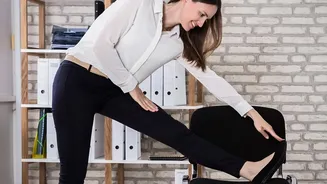
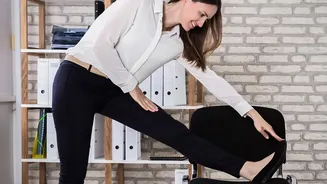
The good news is that these activity stops don't require special equipment or a change of clothes. The goal is simply to move your body out of the static sitting position. Simple activities are highly effective. A brisk walk around the office, climbing a few flights of stairs, or performing simple bodyweight exercises at your desk all qualify. Mobility-focused movements are particularly beneficial. Try some gentle trunk rotations in your chair to prevent a stiff back or shoulder blade squeezes to improve posture. A hip flexor stretch, where you place one knee on the floor while sitting at the edge of your chair, can directly counteract the tightening caused by sitting. Even just standing up and doing a few squats or calf raises can make a significant difference.