
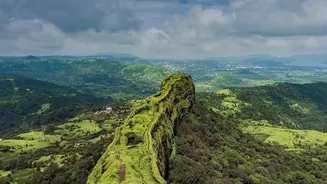

The Emerald Canvas of Tea Gardens
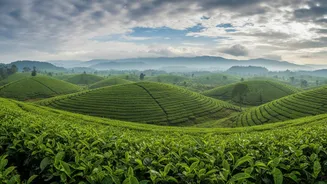
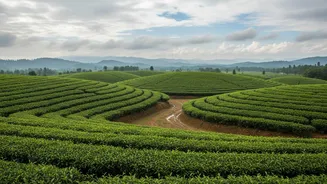
Forget everything you think you know about a rainy day. In Assam, the monsoon transforms the state’s iconic tea estates into a spectacle of impossible green. The world’s largest tea-growing region, particularly around Jorhat and Dibrugarh, becomes a lush,
emerald carpet under soft, grey skies. The fragrance of wet earth and fresh tea leaves hangs in the air. The rhythmic patter of rain on the broad leaves is a therapy session in itself. Many estates feature colonial-era bungalows converted into boutique stays, offering a chance to sip on freshly brewed chai while watching the downpour from a comfortable verandah. It’s an immersive experience that engages all the senses, offering a serene alternative to crowded tourist spots. The landscape, freshly irrigated and vibrant, is at its photographic best.
Haflong: A Hill Station in the Clouds
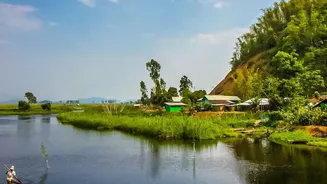
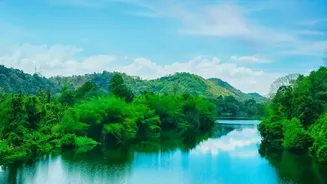
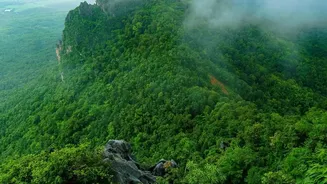
For those who still crave a hill station experience, Assam has its very own hidden gem. Haflong, the state’s only hill station, truly comes alive during the monsoon. It offers the misty peaks, cool air, and cascading waterfalls you'd expect, but without the commercial clamour of its more famous counterparts. The hills of the Dima Hasao district wrap themselves in a blanket of low-hanging clouds, and ephemeral waterfalls appear around every bend. The famous Haflong Lake, brimming with rainwater, reflects the moody sky, creating a tranquil, picturesque setting. It’s the perfect destination for travellers seeking solitude, breathtaking landscapes, and long walks through rain-washed trails surrounded by orchids and the sound of nature.
Majuli: The Rejuvenated River Island
The world’s largest river island, Majuli, undergoes a dramatic and beautiful transformation during the monsoon. As the Brahmaputra River swells, the island’s wetlands and rice paddies flood, creating a shimmering waterscape of vibrant green. Life on the island slows down, syncing with the rhythm of the rain. It’s a time of rejuvenation for the land and a unique cultural window for visitors, who can witness the neo-Vaishnavite culture in a serene, contemplative setting. However, a trip to Majuli in the monsoon requires a flexible spirit. The swollen river can sometimes lead to ferry service disruptions, making the journey unpredictable. For those willing to embrace the uncertainty, the reward is an unparalleled view of nature’s power and a deeply peaceful atmosphere.
The Mighty Brahmaputra in Full Splendour
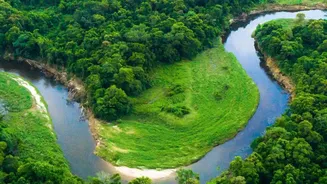
The Brahmaputra River is the lifeline of Assam, and during the monsoon, it showcases its most powerful and majestic form. While this power can lead to flooding in low-lying areas, observing the river from a safe vantage point is an awe-inspiring experience. In cities like Guwahati, the riverfront becomes a prime spot to witness the sheer scale of the waterbody. The Umananda Temple, perched on a small island in the middle of the river, appears even more mystical when surrounded by the churning waters and grey skies. A riverside walk during a light drizzle, with a cup of hot tea from a local stall, offers a simple yet profound way to connect with the state's soul.
A Different Kind of Wildlife Safari
It’s important to note that major wildlife sanctuaries like Kaziranga and Manas National Parks remain closed during the monsoon due to flooding. However, this doesn't mean wildlife sightings are off the table. The fringe areas of these parks and other sanctuaries, like Pobitora Wildlife Sanctuary near Guwahati, often remain accessible. Pobitora, known for its dense population of the one-horned rhinoceros, offers a unique opportunity for a monsoon safari. Seeing these magnificent creatures amidst the lush, rain-soaked grasslands is a completely different experience from a dry-season visit. The landscape is vibrant, the air is clean, and you can witness the region's fauna in a flourishing, rejuvenated habitat.