






Flight Delays: Covering Your Wasted Time
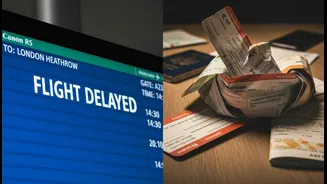
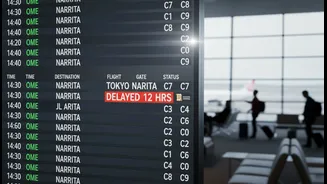
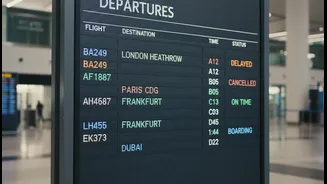
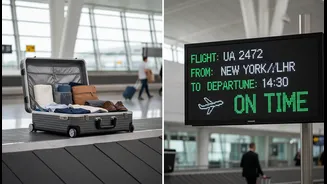
Flight delay coverage is designed to reimburse you for the unexpected costs you incur while stuck waiting. This isn’t a blanket compensation for your inconvenience. Instead, it’s a reimbursement-based benefit that kicks in after a specified period of
delay, which can be anywhere from three to twelve hours, depending on your policy. If your delay meets this minimum threshold for a covered reason—like severe weather, air traffic congestion, or technical issues with the airline—you can be reimbursed for reasonable expenses. These typically include meals and refreshments, and in cases of very long or overnight delays, hotel accommodation and transportation to get there. It’s crucial to remember that you will have to pay for these expenses out of your own pocket first and then file a claim with your insurer. This means keeping every single itemised receipt is non-negotiable. You'll also need a formal statement from the airline confirming the reason and duration of the delay to support your claim.
Baggage Cover: Delay vs. Total Loss
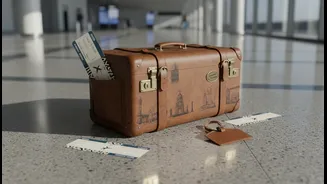
When it comes to your luggage, insurance policies make a critical distinction between a delay and a permanent loss. Baggage delay cover provides immediate, short-term relief. If your checked-in bags don't arrive at your destination with you, this coverage reimburses you for the emergency purchase of essential items like clothes and toiletries to tide you over until your bag is found. Similar to flight delay cover, this benefit usually has a waiting period, often around 6 to 12 hours, before you can claim any expenses. In contrast, baggage loss cover applies when the airline officially declares your bag permanently lost, which can take up to 21 days. This provides a lump sum compensation for the value of your lost belongings, up to the limit specified in your policy. Be aware that these policies often have per-item limits and may exclude high-value items like electronics or jewellery, which airlines also often exclude from their liability.
Airline Liability: What the Carrier Owes You
Before you even turn to your insurance, it’s important to understand what the airline itself is responsible for. Under Indian regulations, for domestic flights, an airline's liability for lost or damaged baggage is capped at ₹20,000 per passenger. For international flights, the Montreal Convention applies, with a higher limit. For baggage delays, airlines might provide interim compensation for you to buy essentials. For flight delays, airlines are required to provide facilities like meals and refreshments after a certain waiting period and, for very long delays, hotel accommodation or an alternate flight. However, insurance is designed to fill the gaps. If an airline provides you with a meal voucher, you cannot claim that same meal from your insurance. Your policy covers your additional out-of-pocket expenses beyond what the airline provides.
Choosing the Right Policy for Your Trip
The key to effective protection is to actively choose a policy rather than just accepting a default option. Start by assessing your trip: a short domestic flight has different risks than a multi-leg international journey with tight connections. When comparing policies, look at the specific details. For flight delays, what is the minimum delay time required for the benefits to start? Is the per-person limit for expenses realistic for the city you're visiting? For baggage, what is the waiting period for delay cover, and what is the maximum payout for total loss? Also, check if you already have some level of protection. Many premium credit cards offer complimentary trip delay insurance, which might be sufficient for your needs. Always check the policy document for a list of exclusions. Claims arising from you arriving late to the airport, for example, will not be covered.