
A Bread Born from Necessity
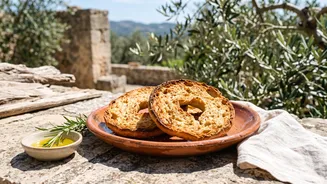
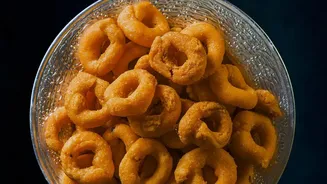
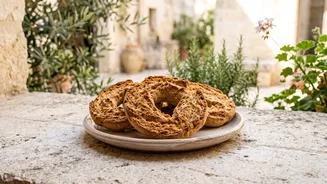
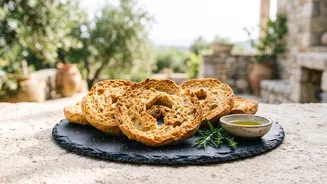
Friselle, also known as frise or freselle, are a staple of Southern Italy, particularly the region of Puglia. They are ring-shaped breads made from durum wheat or barley flour that are famously baked twice. This double-baking process, or 'biscuitting',
removes nearly all moisture, resulting in a bread that is incredibly hard and has a remarkably long shelf life. Historically, this made friselle the ideal provision for sailors, crusaders, and farmers who needed a food source that wouldn't spoil during long journeys or lean times. The hole in the middle even served a practical purpose, allowing sailors to string them on a rope for easy storage on ships.
The Philosophy of 'Cucina Povera'
The tradition of friselle is deeply rooted in 'cucina povera', or 'poor cooking'. This Italian philosophy isn't about a lack of flavour but about resourcefulness and making magnificent meals from simple, humble ingredients. Nothing goes to waste. Stale bread isn't discarded; it's transformed. Friselle are the epitome of this mindset. They were born from the need to preserve bread and create a substantial meal from the most basic pantry items: dried bread, fresh produce from the garden, and good olive oil. It’s a testament to the ingenuity of turning simple, seasonal ingredients into something deeply satisfying.
The Ritual of 'Sponzatura'
Before you can enjoy a frisella, you must perform a crucial ritual known as 'la sponzatura'—the wetting. Because they are baked to a jaw-breaking hardness, friselle are never eaten dry. They must be quickly dipped in or run under cold water for a few seconds. The goal isn't to make them soggy, but to soften the hard exterior just enough to make it pleasantly chewy while the inside retains some of its signature crunch. In ancient times, fishermen and sailors would simply dip their friselle in clean seawater, adding a natural salinity to the bread. This simple act of rehydration is what makes the bread ready to absorb all the delicious toppings that come next.
Building the Perfect Topping
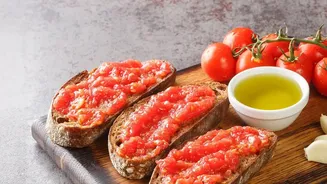
Once softened, the porous surface of the frisella becomes the perfect canvas for flavour. The most classic and beloved topping is a simple yet vibrant combination that screams summer in Italy. It starts with rubbing a clove of garlic over the moistened bread. Next comes a generous pile of fresh, chopped cherry tomatoes, whose juices soak further into the bread. A generous drizzle of high-quality extra virgin olive oil, a pinch of salt, and a scattering of fresh oregano or basil complete the masterpiece. The result is a delightful contrast of textures and tastes: the slightly crunchy bread, the juicy tomatoes, and the fragrant herbs.
Modern Twists on a Timeless Classic
While the classic tomato topping remains iconic, the versatility of friselle invites endless creativity. In Calabria, they might add sweet Tropea onions and a hint of chili. Other popular additions across Southern Italy include briny olives, capers, anchovies, or creamy tuna packed in oil. For a more substantial meal, some top their friselle with fresh cheese like mozzarella or burrata, creating a beautiful blend of creamy and crunchy textures. There are even modern interpretations that treat it like avocado toast or top it with finely chopped raw vegetables ('crudaiola'). These variations honour the spirit of friselle, using it as a base for whatever fresh and flavourful ingredients are on hand.