







The High-Altitude Flavor Thief
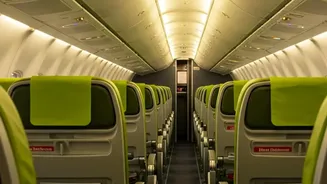
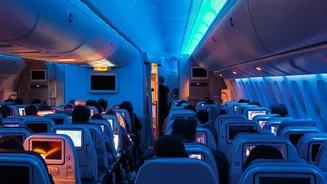
The moment you step on a plane, your senses are entering a hostile environment. The first culprit is the air itself. At cruising altitude, cabin humidity can drop below 12%, which is drier than most deserts. Since about 80% of what we perceive as 'flavor'
actually comes from our sense of smell, this is a major problem. The dry air parches your nasal passages, dramatically reducing your ability to detect aromas. Without smell, you lose most of the nuance in your food. At the same time, the lower cabin pressure, equivalent to being on a mountain up to 8,000 feet high, physically dulls your taste buds. Studies have shown this combination of low humidity and low pressure can reduce your perception of sweetness and saltiness by as much as 30%.
Why Engine Noise Mutes Your Meal
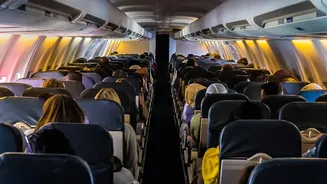
It’s not just the air pressure and humidity; it’s also the noise. The constant, low-frequency hum of a jet engine, typically around 85 decibels, does more than just make it hard to hear the movie. Research from Cornell University and others has revealed that this specific type of background noise actively interferes with how we taste. A study published in the Journal of Experimental Psychology found that in a noisy environment like a plane cabin, our ability to perceive sweetness is significantly suppressed. Interestingly, the same noise appears to enhance our perception of the fifth taste, umami—the savory flavor found in foods like tomatoes, mushrooms, and aged cheese. This phenomenon helps explain why so many people who never touch tomato juice on the ground find themselves ordering it on a flight; the engine noise is actually making it taste better.
How Travel Stress Rewires Taste
Beyond the physical environment of the cabin, your own mental state plays a huge role. The entire process of travel—rushing to the airport, navigating security, worrying about making your connection—can trigger a classic 'fight or flight' stress response. This floods your body with hormones like cortisol and adrenaline. This stress reaction can directly alter your sensory perception. Research has shown that anxiety and stress can lower your perception of both saltiness and sweetness. Essentially, your body is prioritizing dealing with the perceived threat of travel, and fine-tuned sensory experiences like tasting food fall low on its list of priorities. This stress can also cause dry mouth, further interfering with how your taste buds register flavors.
The Perfect Storm for Bland Food
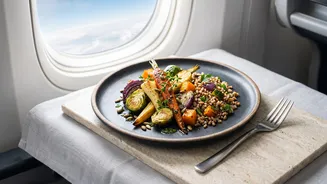
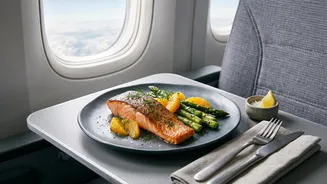
When you combine these factors, you get a perfect storm for a disappointing meal. Your travel anxiety is already priming your brain to experience dulled flavors, particularly sweet and salty ones. Then, you enter the cabin environment, where low humidity is knocking out your sense of smell and low pressure is numbing your taste buds to those exact same flavors. Finally, the engine drone kicks in, further suppressing your ability to taste anything sweet. Even a perfectly prepared meal, or your favorite snack brought from home, doesn't stand a chance against this three-pronged attack. The physical and psychological pressures of air travel conspire to create an environment where food simply cannot taste the way you expect it to on the ground.