






The Soul of Sambalpuri: Bandha Kala
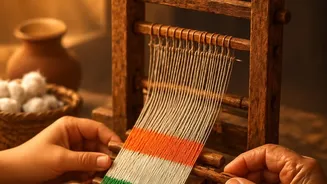
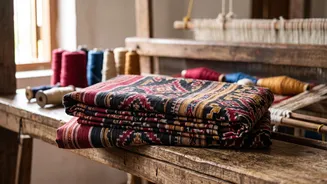
At the heart of every Sambalpuri textile is an ancient and complex art called 'Bandha Kala', or the art of tying. This is a form of ikat, a resist-dyeing technique where the designs are not printed on the cloth, but are dyed into the threads before they
are even placed on the loom. Artisans painstakingly tie sections of yarn with waterproof material, then dip them into vats of colour. The tied portions resist the dye, and the process is repeated for each colour, creating a pattern within the yarn itself. The magic happens when these threads are woven; the pre-dyed sections align to reveal intricate motifs. This process is so precise that the design appears identically on both sides of the fabric, a hallmark of authentic handwoven ikat.
A Language Woven in Thread
The motifs found in Sambalpuri textiles are a visual language, deeply rooted in Odia culture and the natural world. Many designs are sacred, originally created as offerings for temple deities. You will find the 'shankha' (conch shell) and 'chakra' (wheel), symbols deeply connected to Lord Jagannath and considered auspicious. Floral patterns, or 'phula', bring a natural softness, while animal figures like fish, elephants, and deer are common, especially in the 'pallu' or end-piece of a saree. One of the most recognisable patterns is the 'Pasapali', a striking checkerboard design inspired by a traditional board game. These patterns often have a characteristic 'feathered' or slightly blurred edge, a prized imperfection that serves as proof of the genuine hand-tying and weaving process.
Journey to the Weaver's Home
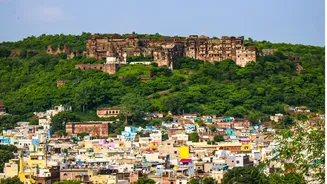
A tour focused on crafts takes you beyond sterile showrooms and into the heart of western Odisha, to the weaving clusters in districts like Bargarh, Sonepur, and Sambalpur. Villages such as Kardola have become open-air galleries, where weavers' homes are painted with vibrant ikat motifs, offering an immersive cultural experience. Here, you can witness the entire creation process. You’ll hear the rhythmic clatter of pit looms, watch artisans deftly pass the shuttle, and see families working together, with different members specialising in designing, tying, dyeing, and weaving. Visiting these craft villages allows for direct interaction with the artisans who have preserved this skill for generations, a tradition believed to have been brought to the region by the Bhulia community centuries ago.
Temples that Inspire the Textiles
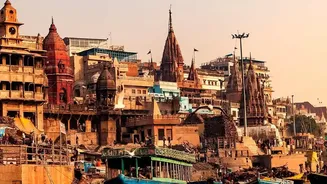
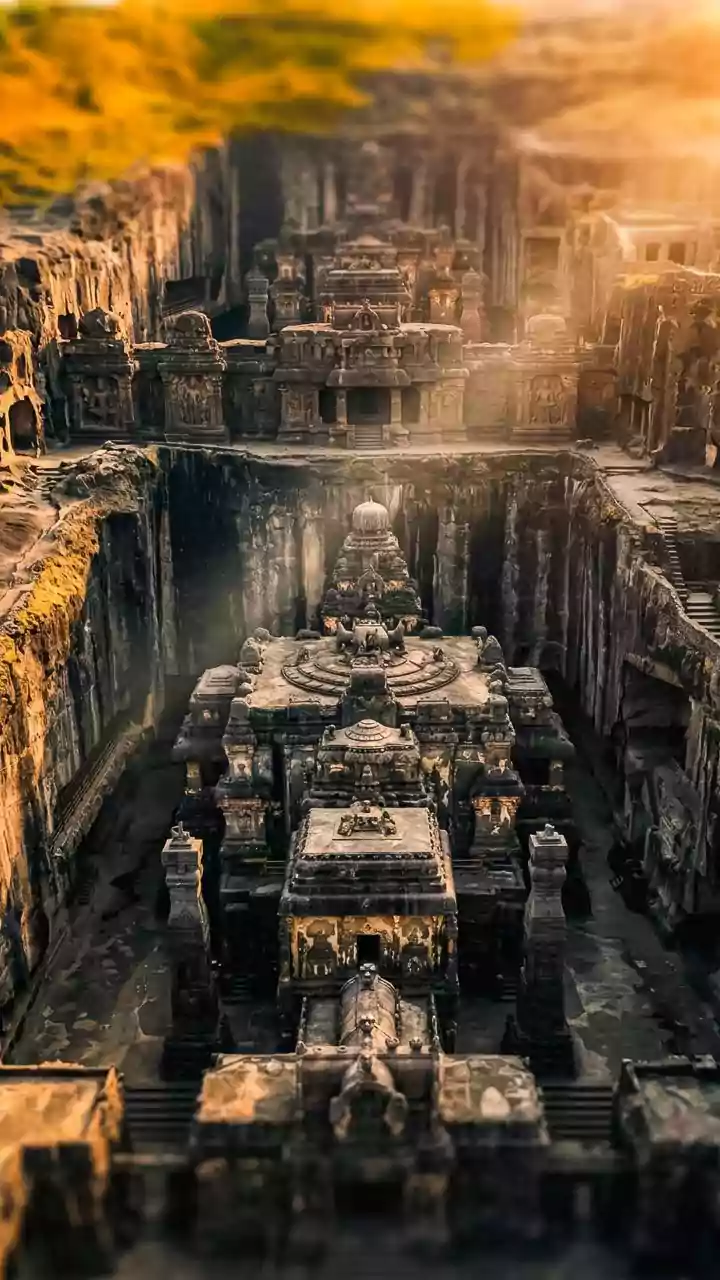
No craft tour in Odisha is complete without exploring the temples that form the state's spiritual backbone. A typical itinerary might start in Bhubaneswar, the 'Temple City', home to magnificent structures like the Lingaraj, Mukteswar, and Rajarani temples. The journey often continues to the coastal town of Puri to visit the revered Jagannath Temple, whose cultural influence is woven directly into Sambalpuri motifs. A visit to the UNESCO World Heritage site, the Konark Sun Temple, is another essential stop. The intricate carvings and architectural grandeur of these ancient stone monuments provide a powerful context for the designs you see in the textiles, connecting the region's spiritual and artistic heritage.
Preserving a Priceless Heritage
The Sambalpuri handloom industry is a vital part of India's rural economy, but it faces significant challenges. Weavers often struggle with the high cost of raw materials, competition from machine-made power loom imitations, and marketing difficulties. The work itself can be physically strenuous, leading to health issues among artisans. Choosing to buy authentic, handwoven textiles directly from weavers or through reputable cooperatives plays a crucial role in sustaining this craft. It ensures that the artisans receive a fair price for their incredible skill and labour, helping to preserve a priceless cultural legacy for future generations. A trip to Odisha's craft villages is more than a holiday; it's an opportunity to become a patron of living history.