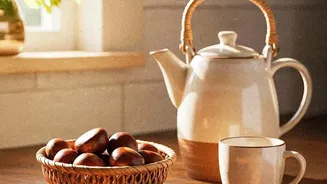




The aroma of roasting chestnuts is one of autumn's great pleasures, a warm, nutty scent that promises a delicious treat. But beyond a simple snack, roasting is a culinary technique that unlocks the chestnut's deep, natural sweetness.
The Magic of Heat
What makes a roasted
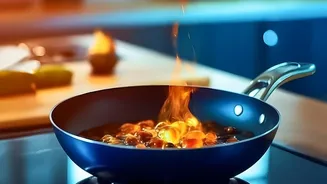
chestnut so different from a raw one? The answer lies in a bit of kitchen chemistry. When you apply heat, you trigger two key processes. First is caramelization, the browning of natural sugars, which creates rich, nutty notes. The second is the Maillard reaction, a complex interaction between amino acids and sugars that occurs at higher temperatures. This reaction is responsible for the deeply savoury, toasty, and complex flavours you find in everything from seared steak to fresh bread. In chestnuts, which are uniquely high in carbohydrates for a nut, this process transforms their starchy texture into something tender, sweet, and profoundly flavourful.
The Crucial First Step: Scoring
Before any heat is applied, there is one non-negotiable step: scoring the chestnuts. Using a small, sharp knife, carefully cut an 'X' or a single horizontal slit across the rounded side of each nut. This is essential because it allows steam to escape during roasting. Without this vent, pressure would build inside the shell, causing the chestnuts to explode in your oven—a startling and messy affair. Some cooks also recommend soaking the scored chestnuts in water for anywhere from 20 minutes to an hour before roasting. This step helps steam the nut inside its shell, making it more tender and significantly easier to peel later.
Perfect Oven-Roasting at Home
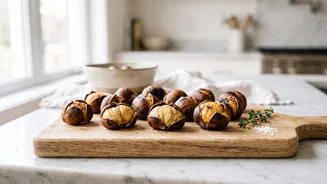
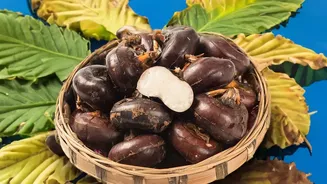
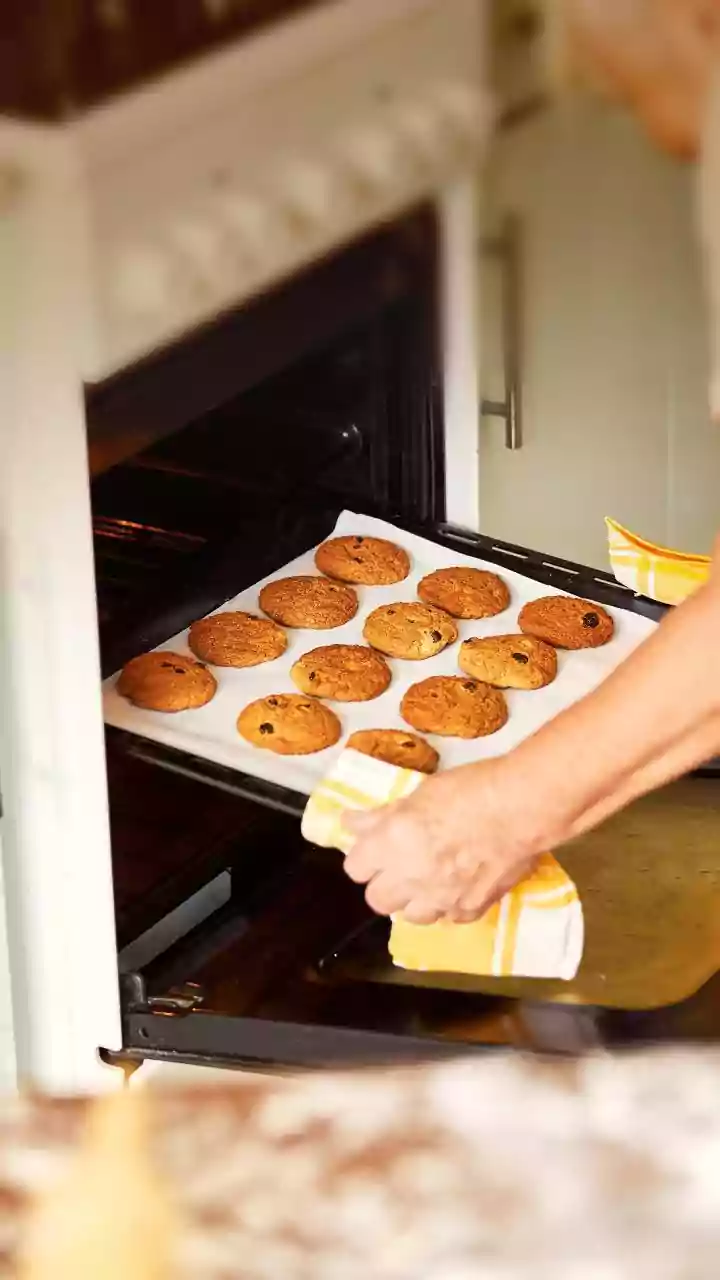
The oven is the most reliable tool for achieving perfectly roasted chestnuts at home, ensuring even and consistent heat. Start by preheating your oven to around 200°C (180°C fan). After scoring and optionally soaking your chestnuts, pat them dry and arrange them in a single layer on a baking sheet with the cut-side facing up. Roast for 15 to 30 minutes, depending on their size. You'll know they're ready when the shells burst open where you scored them and the kitchen fills with a wonderful, nutty aroma. The nut inside should be tender and golden.
Peeling and Storing Your Chestnuts
Once out of the oven, don't peel the chestnuts immediately. A great trick is to wrap the hot chestnuts in a clean tea towel for about 10 minutes. This traps the steam, which helps loosen both the hard outer shell and the papery inner skin, making them much easier to handle. It is best to peel them while they are still warm, as they can become difficult to peel once completely cooled. You can then enjoy them straight away. If you have leftovers, peeled roasted chestnuts can be stored in an airtight container in the refrigerator for a few days.
Beyond a Simple Snack
While delicious on their own, perhaps with a dab of melted butter, roasted chestnuts are incredibly versatile in the kitchen. Their sweet, earthy flavour complements both savoury and sweet dishes. For a savoury twist, chop and add them to stuffings, rice pilafs, or roasted vegetable medleys. They can be puréed to create a rich, velvety soup or a sauce for game meats. On the sweet side, they can be folded into cake batter, made into a sweet cream or spread, or simply scattered over a bowl of oatmeal. Their unique texture and flavour bring a touch of seasonal elegance to almost any dish.