






The Allure of the Smoothie Bowl
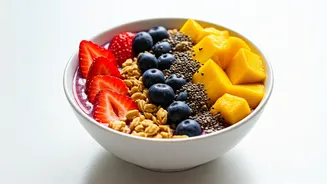
The smoothie bowl is more than just a meal; it's an aesthetic. Its photogenic nature makes it a star on platforms like Instagram, where visual appeal is paramount. To young consumers, it represents a commitment to clean, healthy eating—a colourful and
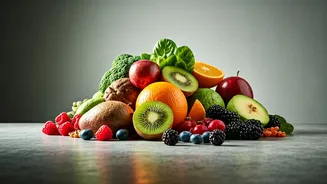
appealing way to pack in vitamins and minerals. Cafes and restaurants have responded to this trend, with menus increasingly highlighting these picturesque creations. The perception is that a bowl filled with fruit must be good for you. This 'health halo' effect, however, often masks what's really inside. While the base ingredients seem wholesome, the final product can sometimes be closer to a dessert than a balanced meal.
The Hidden Sugar and Calorie Trap
The primary issue with many commercially prepared and even homemade smoothie bowls is sugar. To achieve the thick, spoonable texture, a large volume of fruit, often high-sugar options like bananas and mangoes, is blended. When you add fruit juices, sweetened plant milks, or drizzles of honey, the sugar content can skyrocket. Some bowls can contain over 50 grams of sugar, which is more than the daily recommended limit for an adult. This overload of sugar, even from natural sources, can lead to a rapid spike in blood sugar followed by an energy crash, leaving you hungry again soon after. Furthermore, toppings like granola, sweetened coconut flakes, and extra fruit can significantly increase the overall calorie count, with some bowls exceeding 600 calories.
Why Balance Is Missing
A truly balanced meal should provide a mix of carbohydrates, protein, and healthy fats to ensure sustained energy and satiety. Many smoothie bowls fall short because they are overwhelmingly carbohydrate-heavy. Protein and healthy fats are often present only in small amounts, if at all. Without enough protein and fibre, the meal is digested quickly, failing to keep you full for long. As one nutritionist notes, a meal made almost entirely of fruit sends your body on a blood sugar rollercoaster. The feeling of hunger returning just an hour or two after breakfast is a classic sign that your meal lacked the necessary balance of macronutrients.
How to Build a Better Bowl
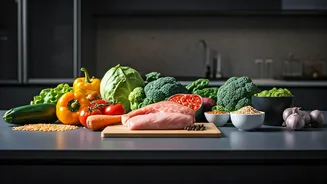
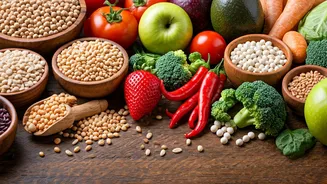
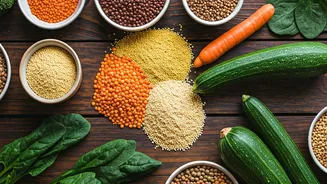
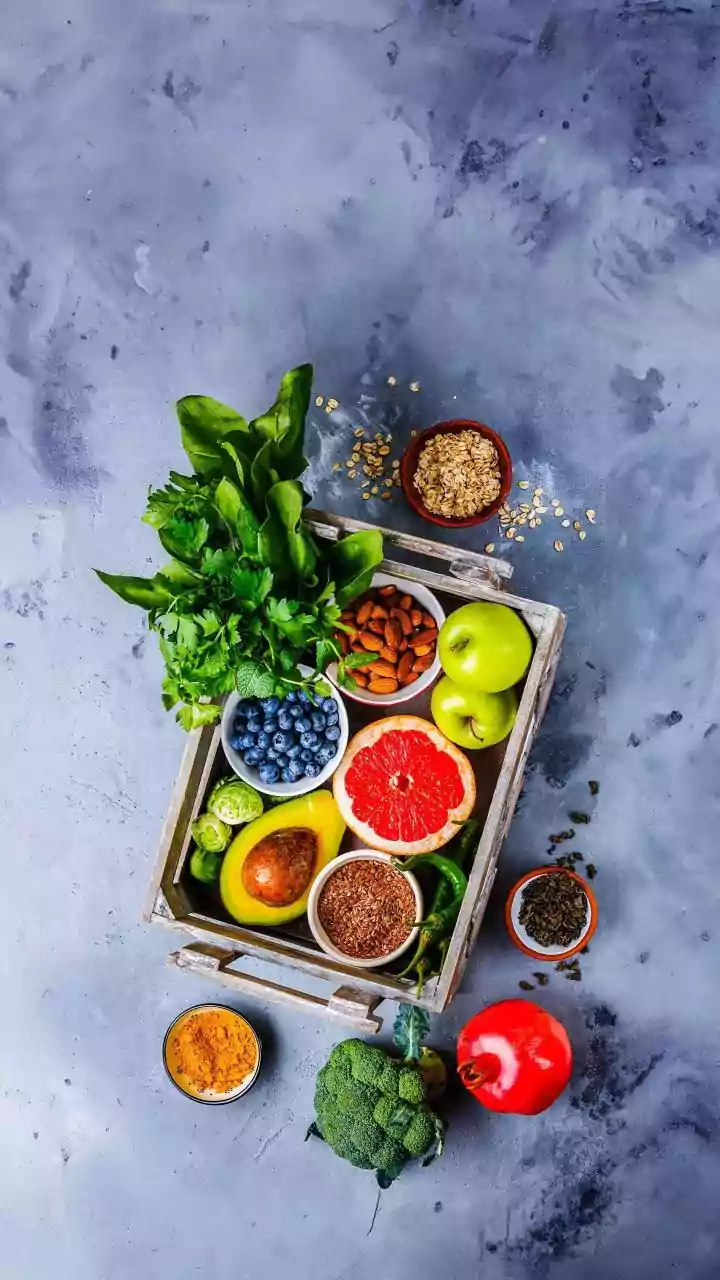
The good news is that you don't have to give up your favourite bowl; you just need to build it smarter. The key is to focus on balance. Start with a lower-sugar base. Use unsweetened milk or water instead of fruit juice. For the fruit component, prioritise lower-sugar options like mixed berries and consider adding vegetables like spinach, kale, or even frozen cauliflower for thickness and nutrients without the extra sugar. Most importantly, add a source of protein and healthy fats. This is non-negotiable for balance and satiety. Good options include a scoop of protein powder, Greek yogurt, or silken tofu blended into the base. For healthy fats, incorporate a tablespoon of nut butter, chia seeds, or flaxseeds. These additions slow down digestion and prevent the dreaded sugar crash.
Smarter Toppings, Fuller Meal
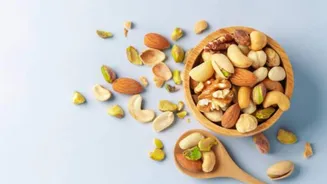
Toppings can make or break the nutritional profile of your bowl. Instead of loading up on sugary granola and more fruit, be strategic. A sprinkle of nuts like almonds or walnuts adds a satisfying crunch along with healthy fats and protein. Seeds such as pumpkin or hemp seeds are also excellent for adding texture and nutrients. If you crave sweetness, a small amount of fresh fruit is better than a honey or maple syrup drizzle. By customising your bowl at home, you have complete control over the ingredients, ensuring you get a meal that is both delicious and genuinely nourishing.