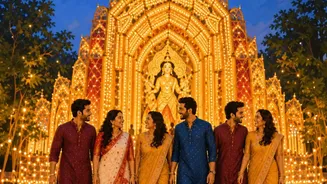


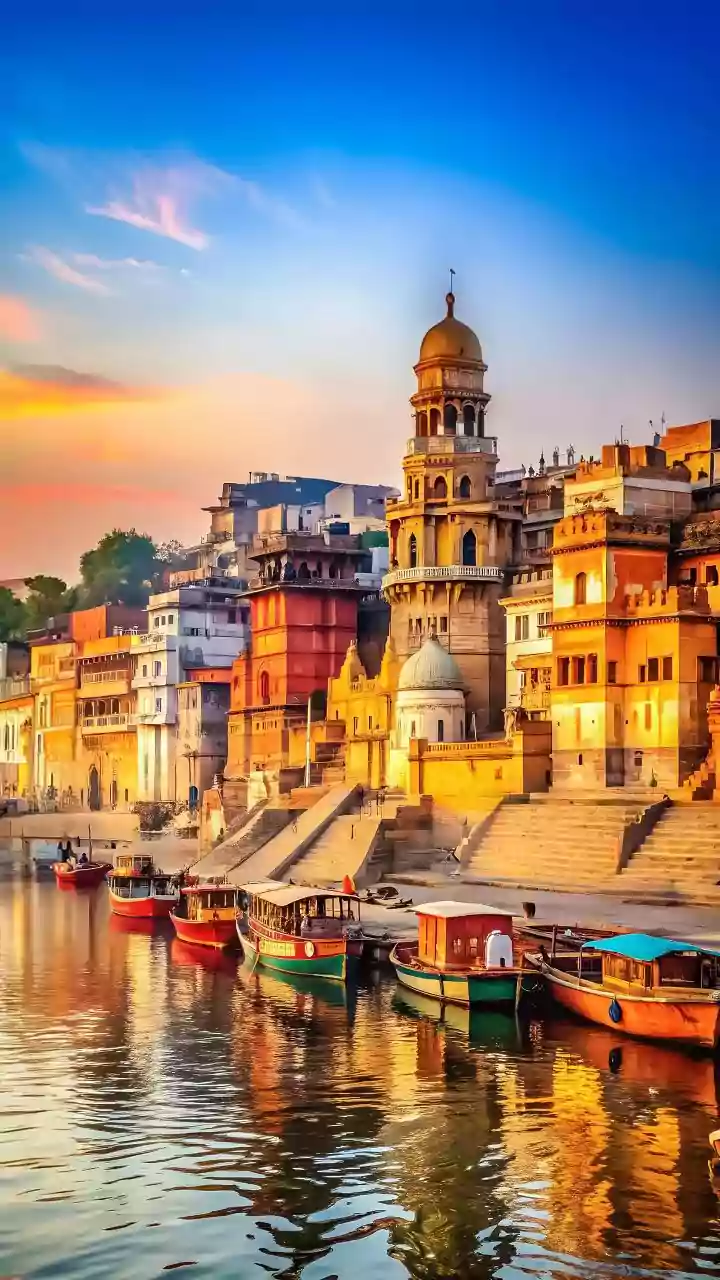


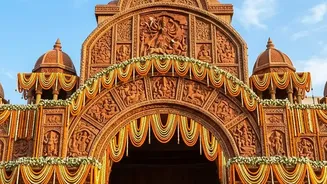

For a generation defined by digital immersion, the idea of a pilgrimage might seem outdated. Yet, a surprising trend is emerging across India as Gen Z travellers are increasingly packing their bags for spiritual circuit trips.
More Than Just a Holiday
The long-held image of spiritual
travel being reserved for older generations is rapidly fading. Today, young Indians in their late teens and twenties are the new face of pilgrimage. Data from travel platforms in 2026 shows that travellers from the Gen Z demographic now account for over half of the bookings to spiritual destinations in India. This isn't a return to tradition in the old sense. For many, these trips are not solely about religious obligation but are a blend of wellness, heritage exploration, and a quest for personal meaning. They are choosing to visit ancient temples and sacred towns like Varanasi, Rishikesh, Tirupati, and Ujjain over more conventional party destinations, seeking mental peace and a deeper connection with their culture.
A Search for Authenticity and Quiet
In a world of constant notifications and curated online personas, the appeal of a spiritual journey lies in its promise of a meaningful pause. Many young travellers are looking for an escape from the pressures of fast-paced work cycles and demanding careers, and a temple town offers a structured sense of quiet. This quest is also an act of cultural reclamation. As one of the most globally aware generations, Indian Gen Z is consciously reconnecting with traditions that were once dismissed, from Ayurveda to sacred rituals, as an expression of cultural pride. They are not just visiting sites; they are participating in living traditions, engaging with local customs, and seeking immersive experiences that go beyond a typical sightseeing checklist.
The Digital Pilgrim's Journey
Paradoxically, the very technology that defines modern life is a key enabler of this trend. Social media and YouTube are major drivers behind the growing interest in culture-led travel. Young travellers often discover destinations like the Mahakal Lok in Ujjain or the Ganga Aarti in Varanasi online long before they visit. Technology has also made planning these trips easier and more accessible. Digital maps, online booking platforms for transport and accommodation, and travel apps have reduced the uncertainty that once made such journeys daunting for solo or small-group travellers. This has fuelled a rise in spontaneous spiritual travel, with nearly one in four trips now being booked at the last minute, a behaviour typical of a generation used to on-demand services.
Redefining the Spiritual Itinerary
Gen Z is also reshaping what a spiritual trip looks like. The modern pilgrimage is often a hybrid experience. A young person might visit a temple like Kashi Vishwanath for morning prayers, work remotely during the day, attend an evening aarti, and then explore local food trails. Travel companies are responding by offering packages that combine temple visits with yoga retreats, adventure sports like rafting in Rishikesh, or curated culinary tours. Popular circuits include the Char Dham Yatra in the Himalayas, the Braj Bhoomi circuit around Mathura and Vrindavan, and routes connecting major hubs like Bengaluru and Chennai to temple towns like Tirupati and Thanjavur. This reflects a desire to experience spirituality in a way that is personal, flexible, and integrated with other interests.