

Why Millets are a Smarter Choice
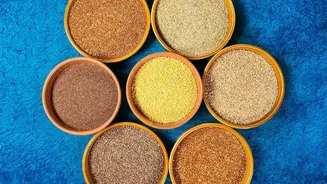
Before diving into specific recipes, it's worth understanding why millets are gaining popularity. Compared to polished white rice, millets are nutritional powerhouses. They are packed with significantly more dietary fiber, which aids digestion and keeps
you feeling full for longer. Millets also boast a higher protein content and are richer in essential minerals like iron, calcium, and magnesium. Furthermore, they have a lower glycemic index, meaning they release sugar into the bloodstream more slowly, preventing energy spikes and crashes. This makes them an excellent choice for managing blood sugar levels and for sustained energy throughout the day.
The Warming Bajra (Pearl Millet) Khichdi
Bajra khichdi is a rustic and hearty dish, especially popular during the winter months for its warming properties. Pearl millet has an earthy, nutty flavour that pairs beautifully with ghee and simple spices. It is a fantastic source of iron and protein. To prepare bajra for khichdi, it is essential to soak it for at least 8 hours, or even overnight, to soften the grain and make it easier to cook. The texture is dense and satisfying. Pressure cooking is the preferred method, typically for 4-5 whistles, to ensure the millet becomes tender and blends well with the lentils, creating a creamy consistency.
The Chewy Jowar (Sorghum) Khichdi
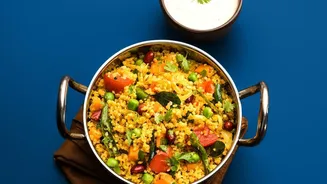
Jowar, or sorghum, lends a unique, chewy texture to khichdi that many find delightful. It is a gluten-free grain that is rich in dietary fibre and protein. Like bajra, whole jowar requires significant soaking time—at least 12 hours is recommended to ensure it cooks evenly. Some recipes even suggest changing the water during the long soak. Due to its firm texture, jowar khichdi doesn't become as mushy as its rice counterpart, offering a pleasant bite. It is a wonderfully filling meal that can be loaded with vegetables like carrots, peas, and onions to create a balanced one-pot dish.
The Light Foxtail Millet (Kangni/Thinai) Khichdi
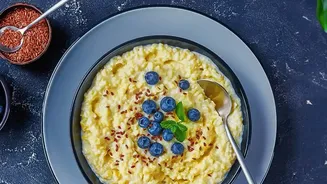
For those new to millets, foxtail millet is the perfect starting point. It is light, cooks quickly, and has a texture that most closely resembles rice, making it an easy substitute. Unlike the denser millets, foxtail only needs to be soaked for about 20-30 minutes before cooking. It’s known for being easy to digest and is particularly beneficial for blood sugar management due to its low glycemic index. This millet cooks into a soft, slightly grainy khichdi that is comforting and versatile. It readily absorbs the flavours of spices and vegetables, making it a delicious and healthy everyday meal.
The Nutrient-Dense Kodo Millet (Kodra) Khichdi
Kodo millet is another excellent gluten-free option celebrated for its high nutritional content. It is particularly rich in fibre, antioxidants, and minerals like magnesium and iron. This millet is known to be very easy to digest and is great for gut health. Kodo millet khichdi has a slightly nutty taste and can be a fantastic vehicle for various vegetables and spices. It’s also considered beneficial for heart health and weight management due to its ability to promote satiety. A short soak is usually sufficient, and it cooks relatively quickly into a wholesome meal.
Tips for Perfect Millet Khichdi
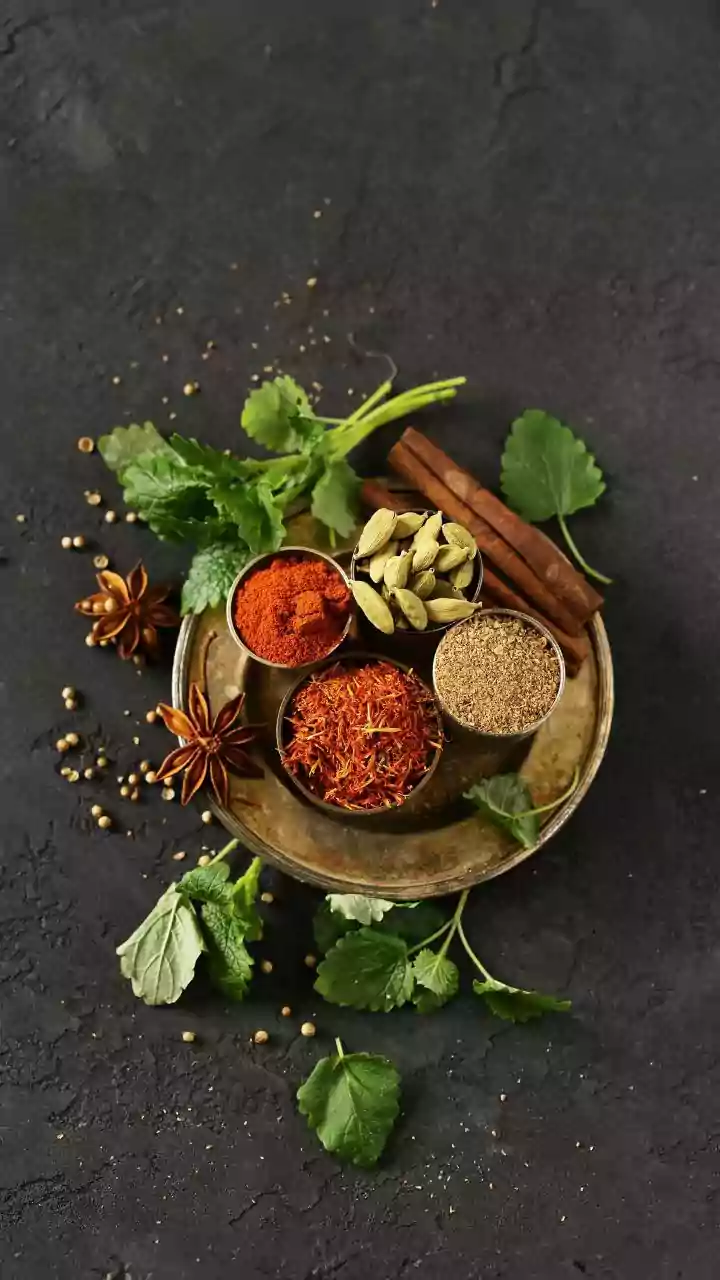
Cooking with millets can be simple with a few key tips. First, always rinse your millets thoroughly before use. Soaking is crucial for most millets; it not only reduces cooking time but also helps in better nutrient absorption and digestibility. The water-to-millet ratio varies, but a general starting point is 3 or 4 parts water to 1 part millet-dal mixture, which you can adjust for a mushier or fluffier consistency. Don't shy away from adding vegetables for extra nutrients and texture. Finally, a tempering of ghee, cumin seeds, ginger, and a pinch of asafoetida (hing) at the end will elevate the flavour of any millet khichdi.