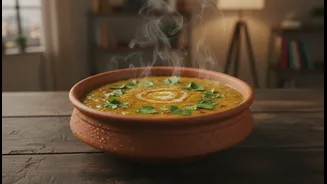

A Culinary Hug in a Bowl
There's an undeniable shift happening in the urban Indian food scene. While modernist plates and global fusion have their place, a different kind of culinary movement is taking hold, one that tastes distinctly of home. During the monsoon, this trend becomes
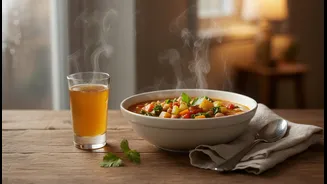
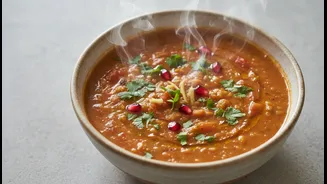
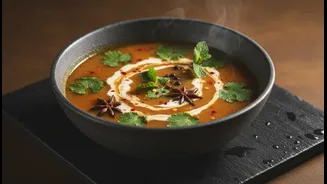
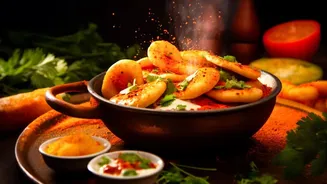
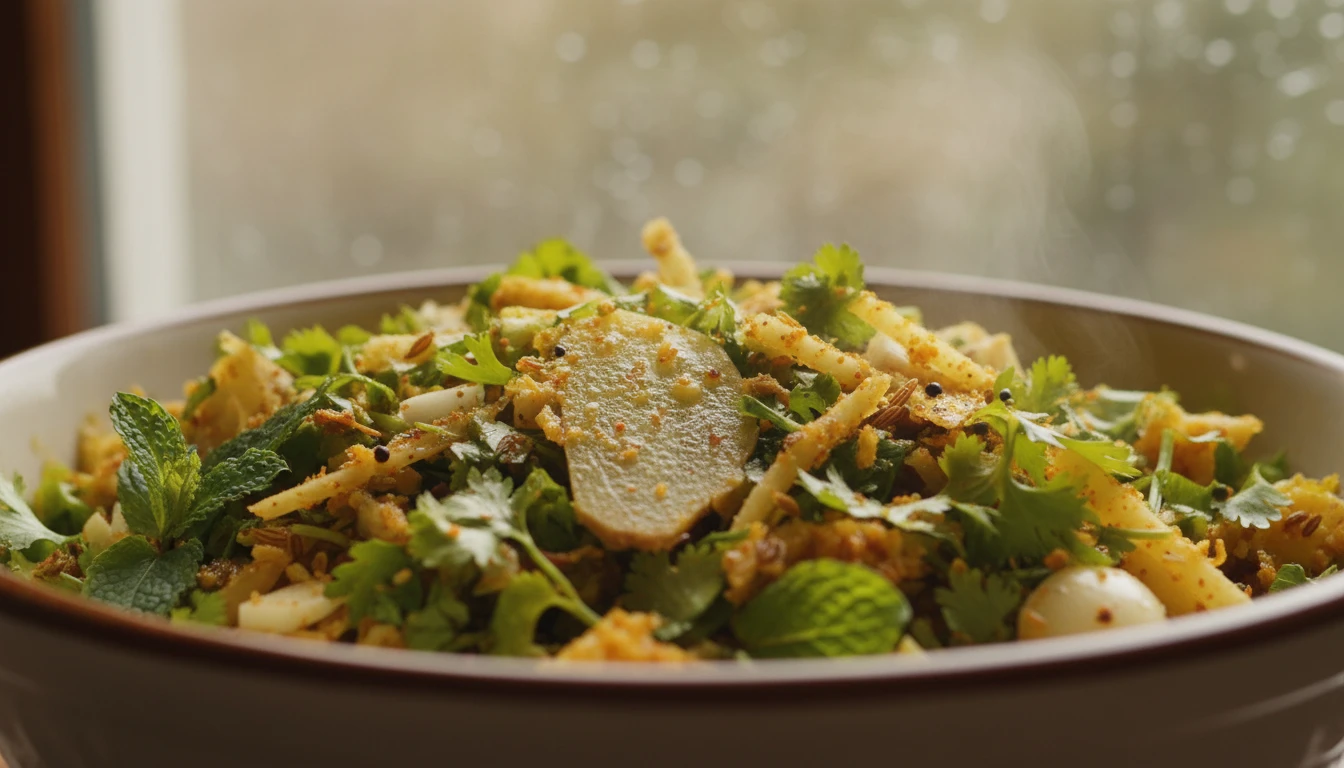
even more pronounced. Restaurants across cities like Mumbai, Delhi, and Bangalore are witnessing a quiet resurgence of traditional Indian soups. Dishes like the peppery rasam, the hearty mutton paya, and the delicately spiced shorba are moving from the realm of home kitchens to occupy prime spots on contemporary menus. It’s a return to flavours that are deeply ingrained in our collective memory, offering a sense of grounding and familiarity in a fast-paced world. This isn't just about food; it's about finding comfort in the familiar, a culinary hug when the skies turn grey.
The Wellness Connection
A significant driver of this soupy revival is a renewed focus on wellness. Many of these traditional broths are packed with ingredients long celebrated in Ayurveda and home remedies for their health-giving properties. According to Ayurvedic principles, the monsoon season weakens our digestive fire, or 'agni', making light, warm, and easily digestible foods essential. Soups like tomato saar, known to clear sinuses, or a simple lemon-coriander shorba, rich in Vitamin C, fit the bill perfectly. Spices like turmeric, ginger, black pepper, and cumin—staples in most Indian soups—are prized for their anti-inflammatory and immunity-boosting qualities. A bowl of mutton paya, slow-cooked for hours, yields a collagen-rich broth that is legendary for joint health. In a post-pandemic world where diners are more health-conscious than ever, these functional foods offer more than just flavour; they offer a dose of preventative wellness.
A Spoonful of Nostalgia
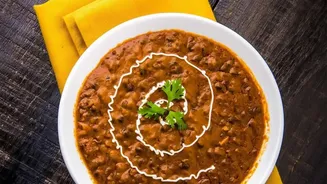
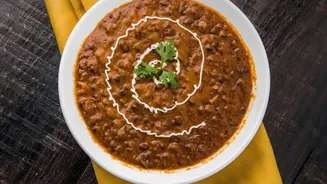
Beyond the health benefits, the emotional pull of these dishes is immense. For many urban dwellers living away from home, a bowl of dal shorba or a tangy rasam is a powerful connector to family and childhood. These are the flavours of rainy afternoons, of being cared for during a seasonal cold, and of festive family gatherings. Chefs are tapping into this deep well of nostalgia, recognizing that comfort food is as much about memory as it is about taste. This trend reflects a broader cultural desire to reconnect with our roots. By championing heirloom recipes, chefs and restaurateurs are not just serving food; they are preserving cultural heritage and telling the stories of community and family kitchens. Every spoonful carries a history, a memory of a grandmother's kitchen or a mother's remedy.
Modern Twists on Timeless Classics
The return of traditional soups doesn't mean a complete rejection of the new. Many chefs are finding innovative ways to present these age-old recipes to a modern audience. While some restaurants pride themselves on authenticity, others are reimagining the classics. You might find a deconstructed rasam, a yakhni (Kashmiri mutton broth) infused with artisanal herbs, or a makai shorba (corn soup) with a smoky finish. Chefs like Manish Mehrotra have built a reputation on reinterpreting traditional recipes while preserving their cultural essence. This culinary creativity keeps the dishes exciting and relevant for a new generation of diners, bridging the gap between a treasured past and a dynamic present. The goal is to honour the soul of the dish while giving it a fresh voice, proving that traditional and modern can coexist beautifully in the same bowl.