






The Science of a Silent Weapon
At its core, acoustic pest control is surprisingly simple. It uses sound waves, typically at frequencies far above the range of human hearing, to deter, disrupt, or repel unwanted critters. This isn't about blasting pests with noise, but rather about creating
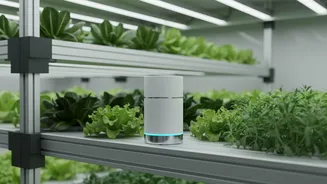
an environment that they find uninhabitable. These devices, known as ultrasonic transducers, convert electrical signals into high-frequency sound waves. Researchers have found that specific frequencies can interfere with the life-sustaining behaviors of certain pests, like feeding, communicating, and reproducing. For example, some studies have shown that certain ultrasonic pulses can mimic the sound of predatory bats, triggering an instinctual escape response in moths and preventing them from laying eggs on crops. Other research has focused on how sound can drive pests like whiteflies and aphids away from plants or even reduce their egg-laying by more than half.
From the Lab to the Lettuce Patch
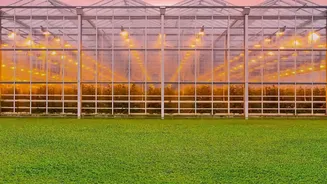
In practice, implementing this technology on a farm involves more than just plugging in a device. A successful system uses a network of emitters strategically placed to cover the growing area. These systems are being designed to be highly targeted. The goal is to create a 'sonic net' that repels specific harmful insects without affecting beneficial ones, like pollinating bees. One study demonstrated that while ultrasonic pulses effectively suppressed the intrusion of several major moth pests in a greenhouse, they had no observable negative effects on the pollination work of honey bees or on the growth of the strawberry plants themselves. For urban farms, which are often enclosed or semi-enclosed spaces like greenhouses and vertical farms, this technology is particularly promising. The contained environment allows for better control of the sound waves, preventing them from dissipating and ensuring a more consistent effect.
The Urban Farmer’s Chemical-Free Advantage
The push for non-chemical solutions is a driving force in modern agriculture, and doubly so for city farms. Urban farmers operate in dense environments where pesticide drift can be a significant concern for neighbors. Furthermore, many of these operations cater to a clientele that actively seeks out organic, locally grown produce free from chemical residues. Acoustic pest control offers a powerful solution on both fronts. It eliminates the need for chemical sprays, which protects soil quality, prevents water runoff pollution, and ensures the safety of farm workers and consumers. While there is an initial investment in the equipment, the long-term savings can be substantial. Farmers can reduce or eliminate the recurring costs of pesticides and the labor required to apply them, leading to a more sustainable and economically viable operation over time.
Beyond the Hype: Hurdles and Future Potential
Despite its promise, the technology is not a silver bullet and faces a degree of skepticism, partly due to the mixed results of cheap, consumer-grade ultrasonic repellers sold for home use. The effectiveness of professional agricultural systems depends heavily on proper installation, the target species, and the specific environment. Sound waves can be blocked by physical objects, and their effective range can be limited, with some research indicating an optimal distance of 10 to 75 meters for certain devices. There is also the potential for pests to become accustomed to a constant, unchanging sound over time. To counter this, advanced systems often vary the frequency and pattern of the ultrasonic pulses. Researchers acknowledge that this is not a standalone solution for all pests; one field study noted that while sound deterred moths, other pesticides were still needed to control spider mites and thrips. The technology is best viewed as a powerful new tool within a broader Integrated Pest Management (IPM) strategy, working alongside other eco-friendly methods.