





The idea of pairing beer with Indian food once meant a generic, cold lager. But a new wave of craft breweries is changing the game, creating brews with local ingredients that are transforming India's culinary landscape.
A Flavour Revolution in a Glass
For decades, beer in India was largely
a uniform experience. Most options were light, mass-produced lagers designed for easy drinking rather than complex flavour. The craft beer movement has completely upended this reality. Across cities like Bengaluru, Pune, and Delhi, microbreweries have become centres of innovation, moving beyond the standard to introduce a diverse palette of beer styles like IPAs, stouts, and saisons to an eager audience. This shift isn't just about offering more choice; it's about a fundamental change in philosophy. While large-scale brands prioritise consistency, craft brewers champion character and experimentation, telling a story with every batch.
Tapping into India’s Larder
The most exciting aspect of this trend is the embrace of local ingredients. Brewers are looking to their own regions for inspiration, infusing their beers with a distinct sense of place. Grains like jowar, bajra, ragi, and specialty rice varieties like Wada Kolam are finding their way into brew kettles, lending unique textures and earthy notes. Seasonal fruits such as jamun, mango, and kokum are being used to create refreshing ales and sours. Spices, a cornerstone of Indian cuisine, are also being used with newfound creativity. Rather than overwhelming the beer, ingredients like coriander, black salt, cardamom, and even Kashmiri chilli are used to add nuance and complexity, much like in traditional Belgian brewing. This move towards local sourcing is not just about novelty; it's a deliberate shift from 'fusion for attention' to 'sourcing with intention'.
The Perfect Pair: Beer Meets Regional Cuisine
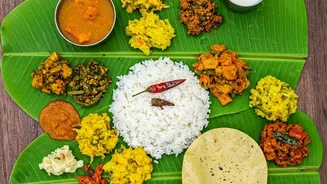
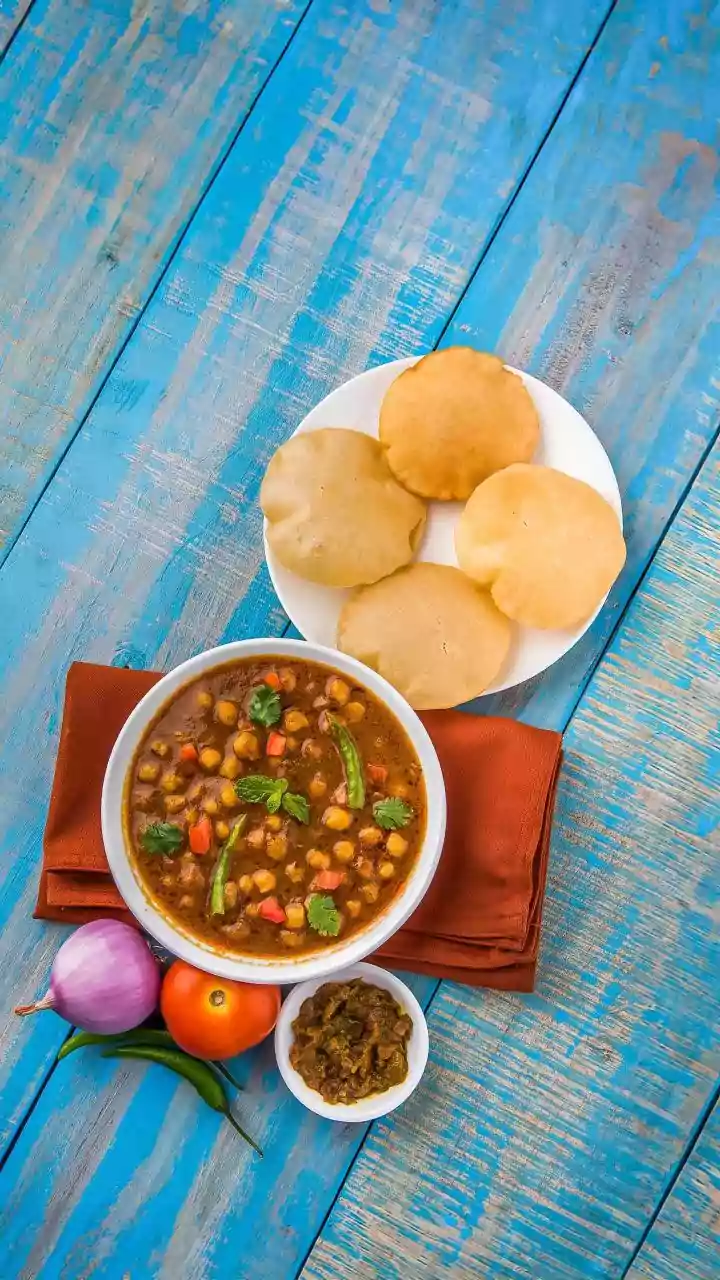
With more complex and flavourful beers come more sophisticated food pairings. The old logic of a simple lager cutting through spice is being replaced by a more thoughtful, complementary approach. A crisp pilsner might be paired with chole bhature to balance the richness, while a malt-forward amber ale can stand up to the bold, aromatic spices of a Rogan Josh. Similarly, the smoky notes of paneer tikka or tandoori chicken are enhanced by a hoppy pale ale or IPA. In the south, the fiery intensity of Andhra cuisine, with its prominent red chilli and tamarind notes, finds a counterpart in beers that can manage the heat without being overpowered. The goal is to create balance, where the beer and the food elevate each other, creating a more memorable dining experience.
More Than Just a Drink
This movement is about more than just taste; it's fostering a new kind of local economy and community. By sourcing grains and fruits from nearby farms, breweries are supporting local agriculture and creating a more sustainable business network. Brewpubs and taprooms have evolved into modern 'third places'—vibrant community hubs outside of home and work where people gather for events, live music, and to connect with their neighbours. This creates a powerful sense of local identity and pride. When a brewery uses a specific regional ingredient, it's celebrating that region's unique heritage. This collaboration between brewers, chefs, and local producers is strengthening community ties, one pint at a time.