






The New Rule: What Changed?
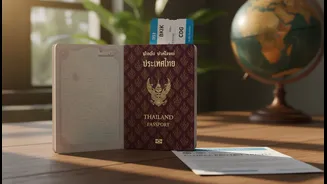
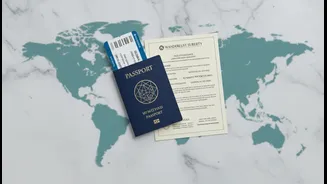
Let’s clear up the confusion. Thailand has ended its temporary 60-day visa-free scheme for many countries. However, after some uncertainty, the Thai government decided not to revert India to the old, more restrictive Visa on Arrival system. Instead, Indian
passport holders now get a straightforward 30-day visa-free entry. This decision came after an earlier proposal to scrap the scheme caused a drop in tourists from India, a key market for Thailand. The new rule is a stable and reliable policy, removing the fees and paperwork of the previous visa-on-arrival system and providing certainty for travel planning. This change will officially take effect 15 days after it is published in the Royal Gazette.
Why 30 Days Is a Traveller's Sweet Spot
While 30 days might be shorter than the temporary 60-day window, it’s actually a perfect duration for most Indian tourists. The average stay for an Indian visitor in Thailand is just over seven days. A 30-day permit offers far more breathing room than a typical week-long holiday requires, without the need for visa runs or extension paperwork. It provides a generous buffer, allowing for spontaneous changes of plan, extended stays in places you fall in love with, and a more relaxed pace of travel. This new rule is seen as a positive upgrade, granting Indian travellers a privilege that streamlines entry and encourages longer, more immersive trips.
Unlock Budget Flexibility with a Longer Stay
Having up to a month at your disposal is a game-changer for budget-conscious travel. A tight, one-week schedule often forces you to book everything in advance at peak prices. With 30 days, you can afford to be strategic. You can travel between cities on cheaper weekday flights or overnight trains, saving money and a night on accommodation. It allows you to settle in a city like Chiang Mai for a week or two, where you can get weekly or monthly discounts on rooms, which can be 20-30% cheaper than daily rates. You also have the time to explore local markets and eat street food for most meals, which can dramatically lower your daily expenses compared to tourist-centric restaurants.
Go Beyond the Classic 7-Day Itinerary
A 30-day window invites you to explore Thailand beyond the usual Bangkok-Pattaya or Phuket-Krabi circuits. You could spend the first week exploring the temples and markets of Bangkok before flying north to Chiang Mai for a slower-paced week of nature, cafes, and culture. From there, you could venture to even more relaxed towns like Pai. With the time you have left, you can fly south to explore some of the less-crowded islands like Koh Lanta or Koh Yao Noi, which offer a more authentic and often cheaper experience than the main tourist hubs. This kind of multi-region trip is difficult to do comfortably in one or two weeks but becomes perfectly manageable with a 30-day stay.
Smarter Planning for a Month-Long Trip
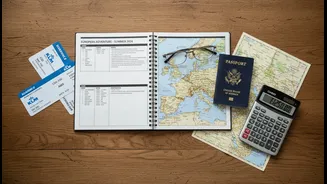
To make the most of your 30 days, adopt a hybrid planning strategy. Book your flight and the first few nights of accommodation to ensure a smooth arrival. For the rest of your trip, stay flexible. This allows you to negotiate better rates for longer stays directly with guesthouses. Travelling during the shoulder season (April-June and September-October) can also result in significant savings on flights and accommodation, often with fewer crowds. For long-distance travel within Thailand, book overnight buses or trains to save on a night's stay. Finally, remember to complete the mandatory Thailand Digital Arrival Card (TDAC) online before you fly to ensure a hassle-free entry.