

The Allure and the Alert
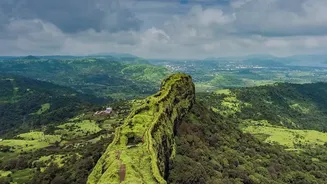
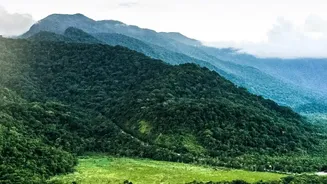
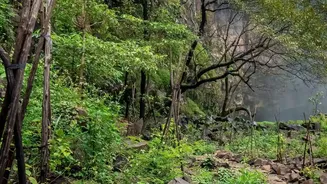
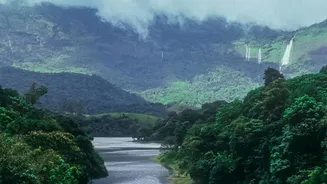
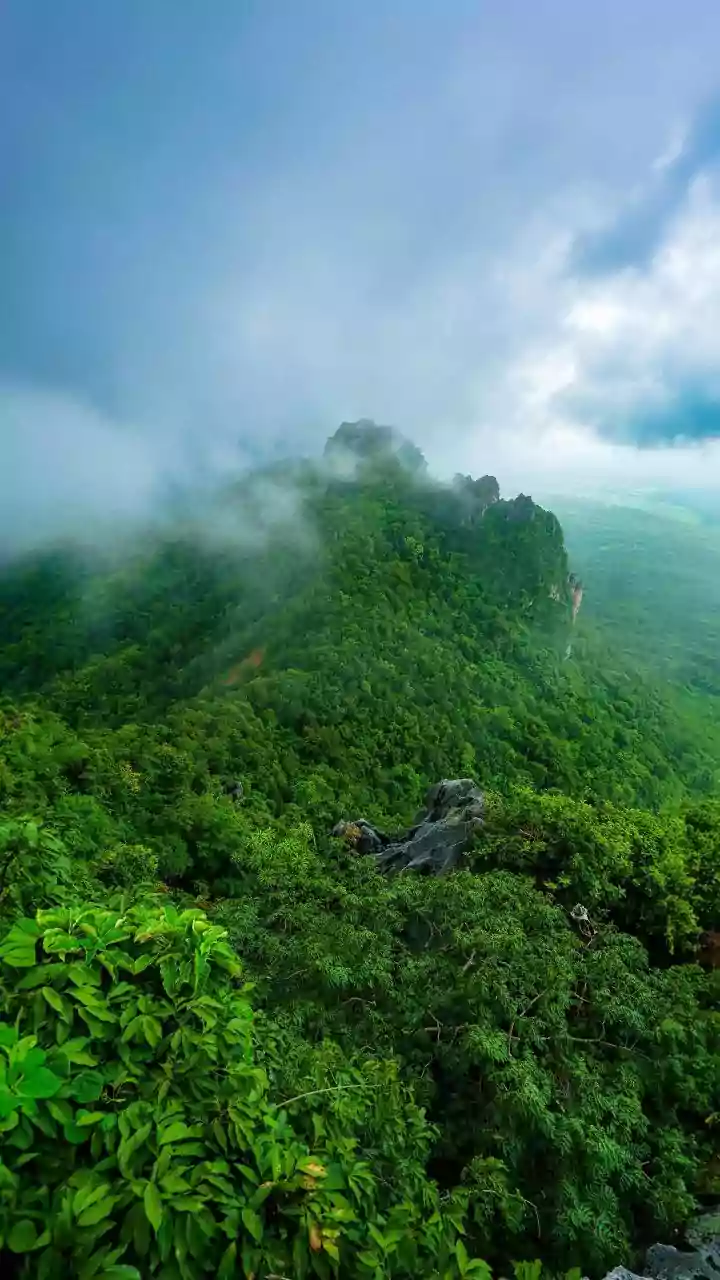
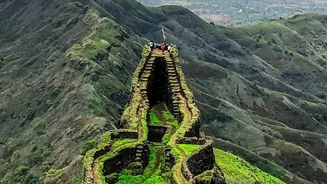
There's nothing quite like the experience of trekking through the Sahyadris as clouds descend and waterfalls burst into life. The air is fresh, the landscape is a vibrant green, and the cool weather is a welcome respite. However, the monsoon also introduces
significant challenges that can turn a dream trek into a nightmare. Trails become slippery, visibility can drop to near zero in minutes, and normally gentle streams can swell into impassable torrents. The primary dangers are not just the rain itself, but flash floods in narrow gullies, slick rock faces that become treacherous, and the risk of getting lost or injured far from help. Every year, preventable accidents occur due to a lack of preparation. Understanding both the appeal and the potential perils is the first step towards a safe adventure.
Essential Gear: Your Monsoon Armour
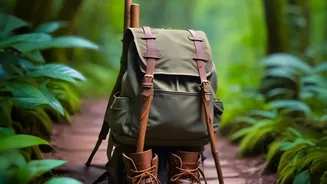
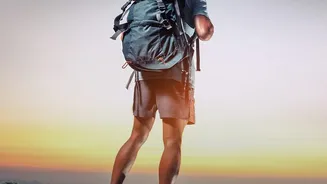
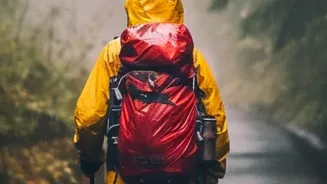
The right gear is your first line of defense against the elements. Cotton is your enemy; it soaks up moisture and takes forever to dry, increasing the risk of hypothermia. Instead, focus on quick-drying synthetic fabrics. Your gear list should include a waterproof rain jacket and pants or a high-quality poncho. While a poncho is easy to throw on, a jacket and pants offer better mobility. Your backpack needs its own rain cover, and for ultimate protection, pack critical items like electronics and a change of clothes in separate dry bags or plastic bags. Footwear is crucial; choose trekking shoes with a deep, aggressive grip for traction on mud and slippery rocks. Surprisingly, fully waterproof boots can sometimes be a disadvantage, as water can get in from the top and become trapped. Many experienced trekkers prefer quick-drying, water-resistant shoes with good drainage.
On-The-Trail Safety Practices
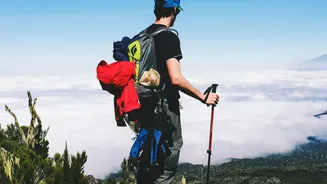
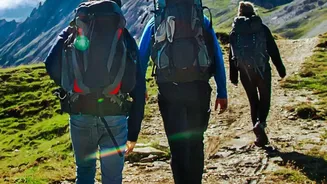
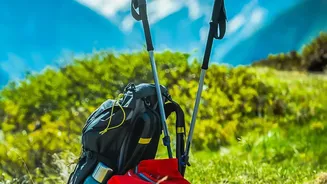
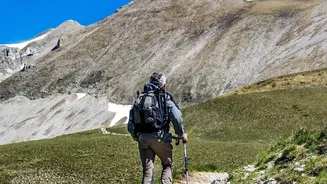
Safety isn't just about what you pack; it's about the decisions you make on the trail. Always check the weather forecast from a reliable source before you leave and be willing to cancel if conditions are severe. Never trek alone, and always inform a reliable contact about your route and expected return time. On the trail, a trekking pole becomes an invaluable tool, providing a third point of contact for stability and helping you probe the depth of muddy patches or water crossings. Be extremely cautious around streams and waterfalls. A gentle cascade can become a dangerous flash flood if it's raining heavily upstream. Stay hydrated even if you don't feel thirsty in the cool weather, as you are still losing fluids. Finally, respect the environment and local warnings; many accidents happen when trekkers ignore advice from villagers or official signage.
Dealing with Leeches: A Monsoon Reality
For many, the biggest psychological hurdle of monsoon trekking is leeches. While mostly harmless, they are a nuisance. Prevention is the best strategy. Wear long, light-colored pants tucked into thick socks to create a barrier and easily spot any climbers. Waterproof gaiters can offer an additional layer of protection. Some trekkers apply repellents containing DEET, or local remedies like salt, mustard oil, or tobacco water to their shoes and socks. If you find a leech attached, do not panic or pull it off forcefully, as this can leave its mouthpiece in the wound and cause infection. Instead, encourage it to detach by applying salt, hand sanitizer, or by gently sliding a fingernail under its mouth to break the suction. After it's removed, clean the bite with an antiseptic wipe and apply a bandage, as the anticoagulant in its saliva will cause the wound to bleed for a while.
Emergency Survival: When Things Go Wrong
Even with the best preparation, emergencies can happen. If you get lost or injured, the first rule is to stay calm. Find a sheltered spot and stay put, especially if visibility is poor. Use a whistle (three blasts is a universal distress signal) to attract attention. A well-stocked first-aid kit is non-negotiable. It should include basics for wound care (antiseptic, gauze, bandages), blister treatment, pain relievers, and any personal medications. Also carry oral rehydration salts (ORS) for dehydration and energy gels for a quick boost. For communication in remote areas with no mobile signal, consider carrying a satellite phone or a personal locator beacon for true emergencies. Before your trip, ensure you have the numbers for local emergency services and rescue groups saved on your fully charged phone.