




Before You Leave: Your Monsoon Vehicle Checklist
A vehicle ready for the rain is your first line of defence. Start with the essentials that are often overlooked. Inspect your tyres for adequate tread depth; worn tyres are a primary cause of skidding on wet surfaces and can lead to hydroplaning, where
the car loses contact with the road. Ensure they are inflated to the correct pressure. Next, check your wiper blades. Summers in India can harden the rubber, causing them to streak or squeal instead of clearing your windscreen effectively. If they leave streaks, replace them. Also, test all your lights—headlights, tail lights, and indicators. In a downpour, visibility is crucial not just for you, but for other drivers to see you. Finally, get your brakes inspected. Wet conditions increase stopping distances, and brakes that seem fine in dry weather might not perform optimally when you need them most.
Plan Your Journey with Digital Tools
Gone are the days of guessing which route is clear. Before heading out, use technology to your advantage. Weather apps like Skymet Weather or Meteored can provide real-time rainfall updates and alerts from the India Meteorological Department (IMD). For traffic, apps such as Mappls (formerly MapmyIndia) offer live updates on traffic congestion, waterlogged areas, and potential diversions. Some traffic police departments have even partnered with these apps to provide official, real-time information, including accident-prone zones and road closures. Planning an alternate route before you start can save you hours of being stuck in a jam and help you avoid the most hazardous, waterlogged roads. Also, ensure your phone is fully charged and consider keeping a power bank in your car.
On the Road: Navigating Wet and Waterlogged Streets
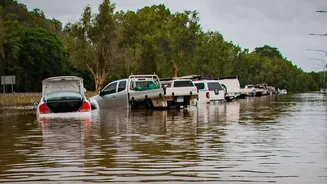
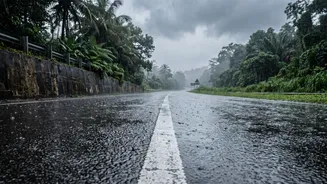
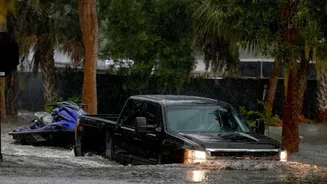
Once you're driving, your strategy should be one of caution. Reduce your speed significantly; the posted speed limit is for ideal conditions, not heavy rain. Keeping your speed below 50 km/h in a downpour greatly reduces the risk of hydroplaning. Increase the following distance between you and the vehicle ahead to at least 4-5 seconds to account for longer braking distances on slippery roads. Use your low-beam headlights to improve your visibility and make your car more visible to others. Avoid using high beams, as they reflect off the rain and can worsen visibility. The biggest monsoon threat in Indian cities is waterlogging. Never drive into a flooded road if you cannot gauge its depth. It only takes about a foot of rushing water to carry away a car. If you must cross a waterlogged patch, drive slowly and steadily in a low gear to keep the engine RPMs high and prevent water from entering the exhaust. If your car stalls in water, do not attempt to restart it, as this can cause a catastrophic engine failure known as hydrostatic lock.
Create a Monsoon Emergency Kit
Being prepared for the worst-case scenario can turn a crisis into a manageable inconvenience. Always keep a monsoon emergency kit in your car. This should include essentials like a torch with spare batteries, a first-aid kit, jumper cables, and a towing strap. It's also wise to have a couple of microfibre cloths to quickly wipe away fog from the inside of your windscreen, which can form rapidly in humid conditions. Keep at least two litres of drinking water and some non-perishable snacks, as monsoon traffic jams can be unpredictably long. An umbrella, a raincoat, and a fully charged power bank for your phone are also must-haves. Finally, save the contact numbers for roadside assistance and your insurance provider in your phone for quick access.