





Why Trains Are Your Best Bet
For the solo Indian traveller, Sri Lanka's trains offer a trifecta of benefits: they are incredibly budget-friendly, showcase landscapes you simply cannot see from the road, and provide a genuine cultural experience. The journeys feel both familiar and unique,
with vendors hopping on to sell snacks and the shared camaraderie in the carriages. While taxis can be expensive and buses can miss the stunning inland scenery, trains put you right in the heart of the action. The colonial-era railway lines, originally built to transport tea, now serve as the arteries for one of the world's most beautiful travel experiences.
Planning Your Epic Train Route
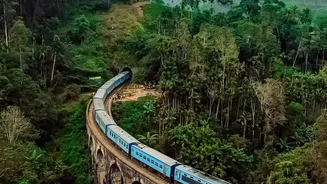
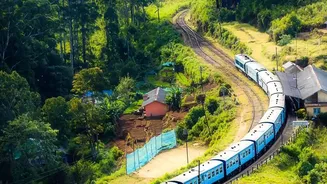
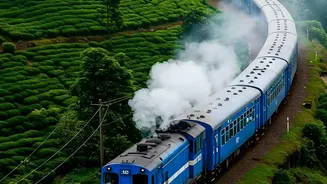
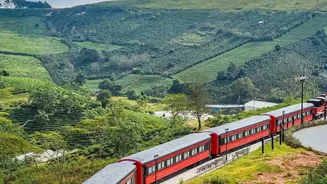
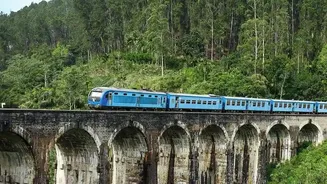
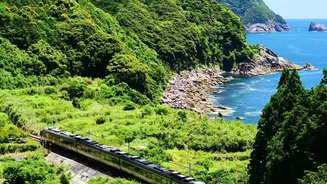
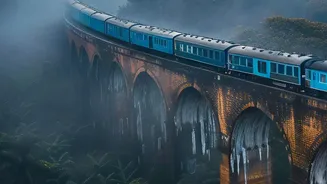
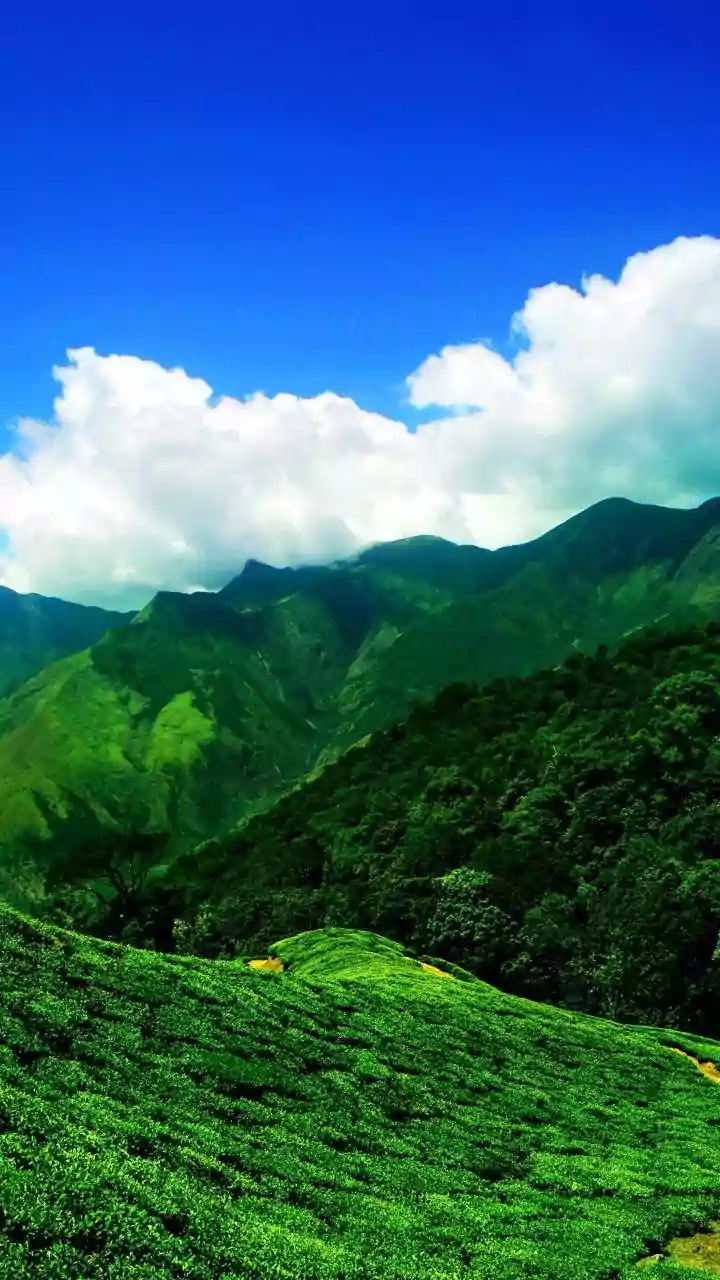
The crown jewel of Sri Lankan rail travel is the Kandy to Ella route. This 6-7 hour journey is a bucket-list item, winding through verdant tea estates, past gushing waterfalls, and over iconic structures like the Nine Arches Bridge. Another must-do is the coastal line from Colombo to Galle, where the track runs right alongside the Indian Ocean. Other popular routes connect the capital, Colombo, with the cultural heart of Kandy, or venture north to the ancient city of Anuradhapura. A smart plan for a short trip could be: fly into Colombo, take a train to Kandy, enjoy the scenic ride to Ella, and then loop back towards the coast.
A Guide to Booking Tickets
Sri Lanka Railways offers several classes, each with a different vibe. Third class is the most basic and crowded, offering a truly local feel for pennies. Second class is the happy medium, with fans and open windows perfect for photos, and it comes in both reserved and unreserved options. First class offers air-conditioning and large observation windows, but they are often sealed. For popular routes like Kandy to Ella, booking a reserved seat is highly recommended, as unreserved carriages can become extremely crowded. You can book reserved seats up to 30 days in advance online through the official Sri Lanka Railways website or third-party sellers like 12Go.Asia. Alternatively, you can buy tickets for any route at major stations like Colombo Fort, but be prepared for queues and book a few days ahead if possible.
What to Expect Onboard
The charm of Sri Lankan trains lies in their relaxed, old-world pace. Trains often run a little late, so it’s wise to build flexibility into your schedule. The open doorways are a signature feature, and you’ll find many locals and travellers sitting there to catch the breeze and the best views. While it's an iconic experience, always be mindful of your safety. Onboard, you won't find a dining car, but local vendors frequently hop on at stations to sell everything from spicy vadais and corn to drinks and sweets, giving you a literal taste of the country as you travel.
Solo Travel Savvy: Safety for Indian Backpackers
Sri Lanka is generally considered a safe destination for solo travellers, including women. However, taking standard precautions is always smart. When travelling alone on trains, booking a reserved seat in second or first class can provide a more comfortable and calmer environment. Always keep your valuables secure and be mindful of your belongings, especially in crowded unreserved carriages or near open doors. Dressing modestly, particularly when travelling through rural and non-tourist areas, is a sign of respect for the local culture. Avoid arriving in a new town after dark by planning your train journeys for the daytime. Trust your instincts; if a carriage feels too crowded, it's okay to wait for the next train.
Backpacker Budgeting for Your Rail Adventure
Train travel is one of the most economical ways to see Sri Lanka. An unreserved third-class ticket for a multi-hour journey can cost less than a cup of coffee. For instance, the famed Kandy to Ella journey can cost as little as ₹100-150 for an unreserved ticket, or around ₹300-500 for a more comfortable reserved seat. A shorter trip like Colombo to Galle might only set you back ₹50-200. These incredibly low fares allow solo backpackers to allocate more of their budget towards accommodation, food, and experiences, making an extended exploration of the island's towns entirely feasible.