


Your Windowsill Gardening Toolkit
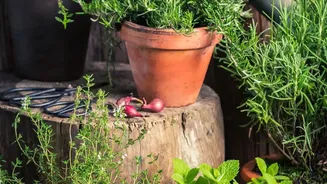
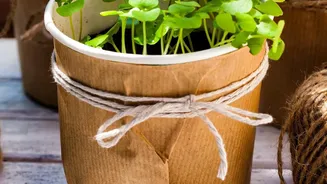
Before you begin, gathering a few basic supplies will make the process smooth and successful. You don’t need a sprawling garden, just a sunny window and a bit of enthusiasm. First, select your containers. Pots that are at least 6-8 inches deep with good
drainage holes are ideal, as this prevents water from pooling and causing root rot. Terracotta pots are an excellent choice as they are porous and allow soil to breathe. Next, you'll need the right soil. Opt for a high-quality, organic potting mix. These mixes are lightweight, drain well, and often contain natural ingredients like compost, coco coir, and perlite, which provide a perfect environment for herb roots to thrive. Avoid using dense garden soil, which compacts easily in pots and can suffocate the roots. Finally, decide whether to start from seeds or small saplings. Seeds are cost-effective, while saplings give you a head start.
The Queen of Herbs: Planting Tulsi
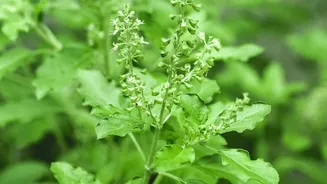
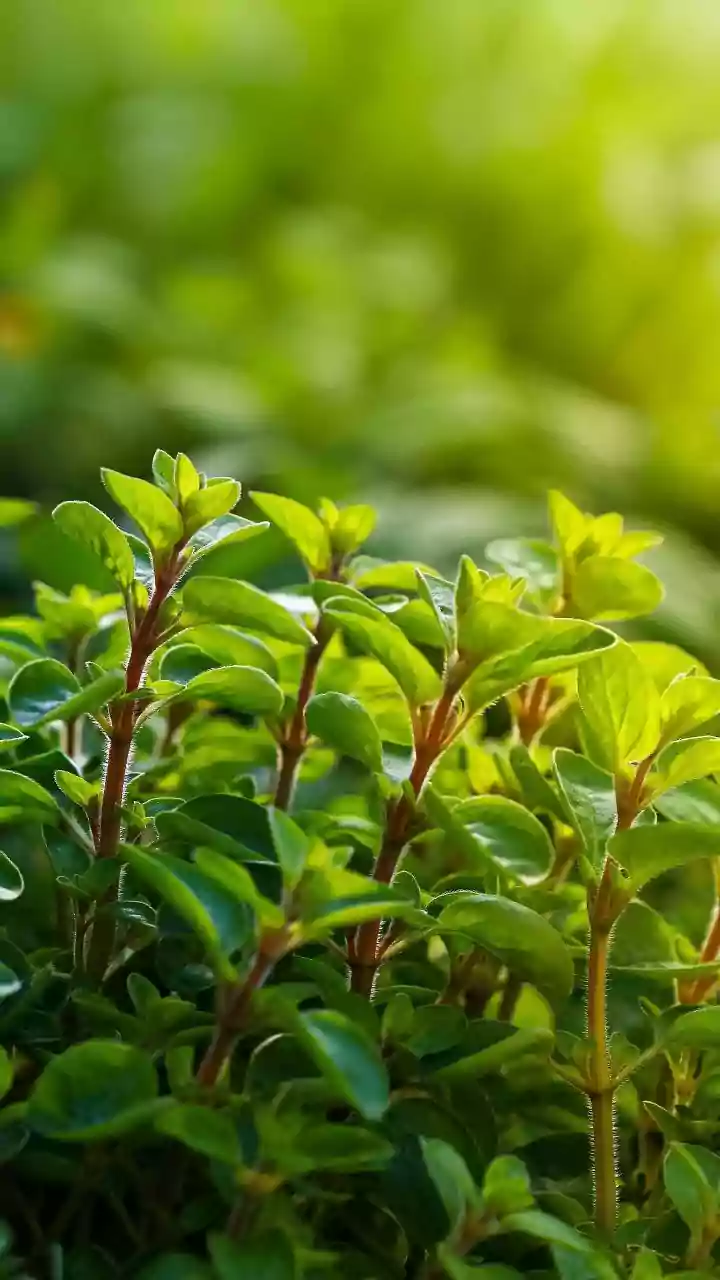
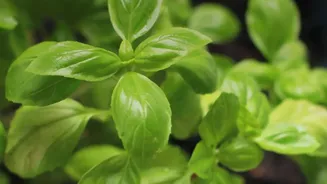
Tulsi, or Holy Basil, is revered in India for its medicinal and spiritual properties and is surprisingly easy to grow indoors. This aromatic herb loves warmth and sunlight, so a south-facing windowsill where it can receive at least 4-6 hours of sun is perfect. If you're starting from seed, sprinkle the tiny seeds on the surface of your prepared potting mix and gently press them down, covering them with a very thin layer of soil. Keep the soil consistently moist but not waterlogged by misting it with a spray bottle. Germination usually takes one to two weeks. For watering, check the top inch of the soil; if it feels dry, it's time to water. Tulsi is sensitive to overwatering, so good drainage is crucial. As the plant grows, prune it regularly by pinching off the top sets of leaves to encourage a bushier, fuller plant.
Fresh Flavour on Demand: Mastering Mint
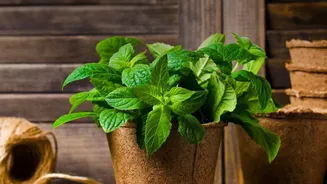
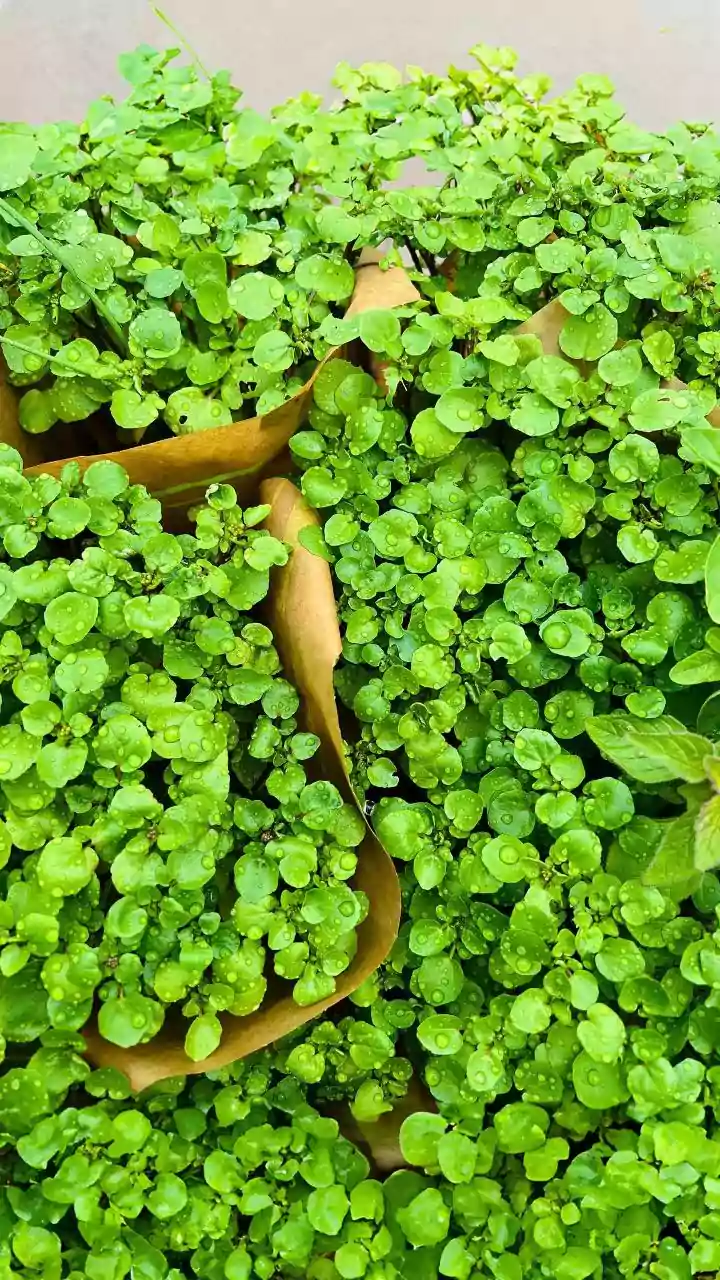
Mint (Pudina) is a famously vigorous grower, which makes it perfect for beginners but also means it's best grown in a container to keep it from taking over. It’s less demanding about sunlight than other herbs and can thrive in a spot with indirect light, though it will be bushier with more sun. Mint prefers consistently moist soil, so don't let the pot dry out completely. You can start mint from seeds, but it's much easier and faster to propagate from a cutting. Simply take a 3-inch sprig from an existing plant, remove the lower leaves, and place it in a glass of water. Roots will form in a week or two, and then you can plant it in a pot. Harvest mint leaves often by snipping stems. This encourages new growth and gives you a constant supply for teas, chutneys, and drinks.
A Kitchen Staple: Cultivating Coriander
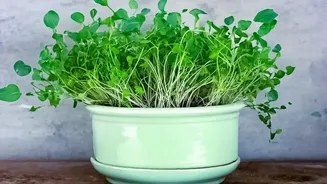
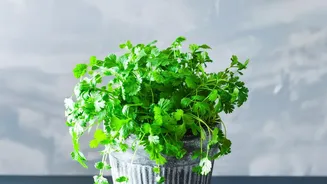
Fresh coriander, also known as Dhania or Cilantro, is a must-have in any Indian kitchen. Unlike mint, coriander has a shorter life cycle, so it's a good idea to sow a new batch of seeds every few weeks for a continuous supply. Coriander prefers cooler temperatures and a sunny spot that gets about 4-6 hours of light daily. Sow the seeds directly into a pot at least 8 inches deep, as it develops a long taproot. Keep the soil moist but well-drained. The leaves (cilantro) can be harvested once the plant is about 6 inches tall. Snip the outer leaves first, allowing the inner leaves to continue growing. If the plant begins to flower, a process called 'bolting', its leaf production will stop and the flavour will change. At this point, you can let it go to seed and harvest the coriander seeds for use as a spice.
The Organic Promise: Keeping it Chemical-Free
The joy of a home herb garden is knowing exactly what goes into it. To keep your plants truly organic, avoid chemical pesticides and fertilisers. For pest control, a simple homemade spray can be very effective. Mix a teaspoon of neem oil and a few drops of mild, unscented liquid soap into a litre of water and spray it on the leaves to deter common pests like aphids and spider mites. Wood ash sprinkled around the base of plants can also help deter slugs and some insects. To fertilise your herbs naturally, use organic options like vermicompost (earthworm castings) or a well-rotted cow manure compost. Mix a handful into your soil every month or so to provide a gentle supply of nutrients without the harsh chemicals, ensuring your harvest is pure and wholesome.